x
شراء نسخة مطبوعة شراء نسخة مطبوعةاطلب نسخة مرسومة يدوياً اطلب نسخة مرسومة يدوياً مشاركةمشاركة
التفاصيلالتفاصيل أضف إلى المفضلة أضف إلى المفضلة تحميل الملفتحميل الملف قطع مشابهةقطع مشابهة الأشعة السينيةالأشعة السينية عرض شرائحعرض شرائح

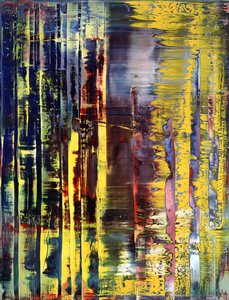
Three Figures

Explore Dino Aranda’s ‘Three Figures’ (1968) – a fragmented, impressionistic oil painting featuring muted tones & layered textures. A unique piece of Latin American art.

Discover Dino Aranda, a Nicaraguan-born artist known for evolving contemporary works exploring Latin American identity & abstract forms. See his art now!

احصل على صورة رقمية عالية الدقة ومعزّنة، بجودة تفوق بكثير المعاينة عبر الإنترنت.

يتم إعداد كل ملف بعناية فائقة من قبل متخصصينا الداخليين باستخدام أدوات متقدمة ولمسات يدوية خبيرة. نضمن أن تتمتع كل صورة بوضوح استثنائي، ودقة لونية متناهية، وتفاصيل دقيقة.

يتم تسليم الملف النهائي عبر البريد الإلكتروني في غضون 72 ساعة، وهو مُحسَّن للاستخدام الفوري في المجالات المهنية والتحريرية ومجالات الطباعة. هذه هي ذات الجودة التي تعتمد عليها كبرى استوديوهات التصميم ودور النشر والمعارض الفنية المرموقة.

صورة رقمية

حمّل ملفاً عالي الدقة للعرض الشخصي، والطباعة، والمشاريع الإبداعية.

إجمالي السعر

$9.99

مزايا مُضمّنة في كل طلب صورة رقمية

تسليم رقمي احترافي، مضمون

عندما تختار BuyPopArt.com، فأنت لا تحصل على مجرد صورة فحسب، بل ستحصل على عمل فني رقمي مُحسّن باحترافية، صُمم بدقة متناهية ومصحوب بضمان الرضا. إليك كل ما يتضمنه طلبك تلقائياً:

shipping_icon
تسليم سريع عبر البريد الإلكتروني

ستصلك ملفات صورك الرقمية عالية الدقة عبر البريد الإلكتروني في غضون 72 ساعة من إتمام الطلب - لتكون جاهزة للاستخدام الفوري.

canvas_icon
ملف رقمي مُحسّن بالذكاء الاصطناعي

يتم تحسين عملك الفني باحترافية باستخدام أدوات الذكاء الاصطناعي المتقدمة والتحرير اليدوي، لضمان أقصى درجات التفاصيل والوضوح ودقة الألوان.

insurance_icon
إعادة إرسال مجانية مدى الحياة

هل حذفت ملفك أو فقدته عن طريق الخطأ؟ لا تقلق - سنعيد إرساله إليك في أي وقت، ومجاناً.

tax_icon
بدون رسوم استيراد - على الإطلاق

استمتع بأعمالك الفنية فوراً دون أي رسوم جمركية أو ضرائب أو مصاريف شحن - فالتحميلات الرقمية دائماً ما تكون معفاة من الضرائب.

color_icon
ضمان دقة الألوان

نحن نضمن أن تعكس صورتك الرقمية الألوان الأصلية بأقصى قدر ممكن من الدقة، وذلك باستخدام أدوات احترافية وتقنيات إدارة الألوان.

return_icon
ضمان الرضا لمدة 60 يومًا

إذا لم تكن راضياً عن صورتك الرقمية، فسنقوم بتعديلها أو استرداد 100% من قيمتها خلال 60 يوماً - دون أي أسئلة.

guarantee_icon
ضمان استعادة الأموال بنسبة % 100

لم تكن راضياً؟ احصل على استرداد كامل المبلغ خلال 60 يومًا من استلام ملفك الرقمي - دون أي أسئلة.

discount_icon
خصومات الطلبات الكبيرة

اشتري 3 صور، ووفر 10% - اشتري 5، ووفر 15% - اشتري +10، ووفر 20%. مثالية للمشاريع الإبداعية، والمعارض، والوكالات.


السيرة الذاتية للفنان

Dino Aranda: A Legacy of Latin American Abstraction

Dino Aranda, born in Managua, Nicaragua, in 1945, is a compelling figure within the landscape of contemporary art, particularly for his significant contributions to the vibrant artistic community flourishing in New York and Washington D.C. during the latter half of the 20th century. His journey as an artist began at the School of Fine Arts in Managua between 1957 and 1963, laying a foundational understanding of technique and form that would later inform his distinctive style. Aranda’s work isn't simply about representation; it’s a deeply personal exploration of Latin American identity, often conveyed through layers of abstraction and evocative symbolism. He moved to the United States in the early 1970s, immersing himself within a dynamic artistic environment that profoundly shaped his evolving aesthetic.

Early Influences and Artistic Development

Aranda’s formative years in Nicaragua instilled in him a sensitivity to color, texture, and the rich cultural heritage of his homeland. While details about specific early influences remain somewhat sparse, it's understood that he was exposed to traditional Nicaraguan art forms alongside burgeoning modern movements. This dual influence is evident in his later work – a careful balance between the raw energy of abstraction and the subtle echoes of Latin American iconography. His time at the School of Fine Arts provided him with essential skills, but it was his relocation to the United States that truly catalyzed his artistic growth. The diverse and challenging environment of New York and Washington D.C. exposed him to a vast array of artistic styles, from Abstract Expressionism to Pop Art, pushing him to experiment and refine his own unique voice.

Key Works and Recurring Themes

Aranda’s oeuvre is characterized by a remarkable evolution over several decades. Early works often featured bold color palettes and gestural brushstrokes, reflecting the energy of the 1960s. However, as he matured as an artist, his style became increasingly layered and nuanced. Pieces like “Three Figures” (1968), currently held in the Smithsonian American Art Museum’s permanent collection, exemplify this shift. The painting is a fragmented, impressionistic oil work dominated by muted tones and carefully constructed textures—a deliberate departure from straightforward representation. Recurring themes within his body of work include identity, memory, and the complexities of human experience. He frequently employs symbolic imagery – often rooted in Latin American folklore or personal narratives – to convey these ideas. The painting “Pajaro de Hierro Enjaulado (Caged Bird of Iron)” (1969), showcased at the Art Museum of the Americas, powerfully illustrates this approach, using a delicate abstraction to represent themes of confinement and resilience.

Historical Context and Artistic Significance

Aranda’s career unfolded during a period of immense social and political upheaval in Latin America. The 1960s and 70s witnessed widespread protests against authoritarian regimes, economic inequality, and the Cold War. Artists like Aranda played a crucial role in documenting these struggles through their art, often employing symbolism and allegory to convey messages of resistance and hope. His work aligns with a broader trend among Latin American artists who sought to reclaim their cultural heritage and challenge dominant narratives. He was part of a collective of artists—many of whom were exiled from their home countries—who found fertile ground for experimentation and expression in the United States, contributing significantly to the international dialogue surrounding contemporary art.

Continuing Legacy

Dino Aranda continues to be an active artist today, his work exhibited both nationally and internationally. His pieces are held in numerous public and private collections, a testament to their enduring appeal and artistic merit. His legacy extends beyond individual artworks; he represents a vital link between the vibrant artistic traditions of Nicaragua and the dynamic contemporary art scene of the United States. The Smithsonian American Art Museum’s collection, for example, provides a valuable window into his career and highlights the significance of his contributions to the broader narrative of Latin American art. His work remains a powerful reminder of the transformative potential of art as a means of exploring identity, challenging conventions, and fostering dialogue across cultures.
Dino Aranda

Dino Aranda

1945 - , Nicaragua

لمحة سريعة

  • Artistic Movement Or Style: Contemporary Art
  • Date Of Birth: 1945
  • Full Name: Dino Aranda
  • Nationality: Nicaraguan-American
  • Notable Artworks:
    • Three Figures
    • Pajaro de Hierro Enjaulado
  • Place Of Birth: Managua, Nicaragua