

 Oil On CanvasWallArtExpressionism
 189319th Century
 70.0 x 57.0 cm
طباعة جيكلي أو كانفاس بجودة المتاحف، مع سرعة في التنفيذ وخيارات متنوعة للتشطيب. ( اشترِ لوحة مرسومة يدويًا اشترِ الصورة)





























اختر من بين أحجامنا المُعدّة مسبقًا والتي تتطابق مع النسب الأصلية للعمل الفني.

يمكنك إدخال أبعادك الخاصة لتناسب إطاراً أو مساحة معينة. وإذا لم يتطابق الحجم الذي اخترته مع نسب الصورة الأصلية، فسنقوم إما بقص العمل الفني أو تمديد الصورة باستخدام حافة معكوسة أو بلون مصمت. سيتم إرسال نموذج تجريبي رقمي لاعتمادك قبل بدء الإنتاج.
يرجى ملاحظة أن المعاينة على الشاشة لا تعكس عملية القص أو التمديد الفعلية؛ حيث سيوضح النموذج التجريبي فقط التكوين النهائي بدقة.
وعلى الرغم من توفر أحجام مخصصة، إلا أننا نوصي باختيار أبعاد من القائمة المحددة مسبقاً للحفاظ على النسب الأصلية.
توصيل عالمي إلى خلال أسبوعين بدلاً من المدة القياسية البالغة 4/5 أسابيع. 25 أغسطس


Night in Saint-Cloud
مقاس النسخة المطبوعة
Edvard Munch’s Night in Saint-Cloud, painted in 1893, is more than just a depiction of an interior scene; it's a profound exploration of solitude, introspection, and the lingering weight of loss. This evocative oil painting, created during a period of personal turmoil for the artist, offers viewers a window into Munch’s inner world, rendered with his signature expressive style.
The artwork portrays a dimly lit interior, likely a hallway or corridor viewed through a window in a Parisian suburb. The scene is dominated by the verticality of the wall and window frame, contrasted by horizontal lines of the floor and receding passage. A solitary figure, silhouetted against the moonlight, stands within the room – believed to be Danish poet Emanuel Goldstein posing for Munch. This enigmatic presence adds an air of mystery and intrigue to the composition. The perspective is skillfully employed to create a sense of depth, drawing the viewer into the space beyond the window while simultaneously emphasizing the isolation of the figure.
Night in Saint-Cloud exemplifies Munch’s burgeoning expressionistic style. Departing from strict representational accuracy, Munch prioritizes conveying emotion and atmosphere over precise detail. The color palette is deliberately muted – a blend of blues, grays, and browns – contributing to the painting's overall feeling of stillness and melancholy. Loose, expressive brushstrokes are evident throughout, eschewing sharp outlines in favor of an atmospheric quality. The use of impasto—thickly applied paint—around the window frame and wall adds physicality and texture, enhancing the immersive experience for the viewer. The lighting is minimal, with a strong vertical beam emanating from the window, casting dramatic shadows that further amplify the sense of isolation.
Painted in Berlin in 1893, this version of Night in Saint-Cloud was created during a period when Munch frequently depicted nocturnal window scenes. The painting’s creation coincided with a time of personal grief for the artist; it followed closely on the heels of his father's death and reflected a broader sense of melancholy that permeated his life at the time. The figure silhouetted in the moonlight can be interpreted as representing introspection, perhaps even a symbolic representation of Munch himself grappling with loss and existential questions. The window itself acts as a barrier between the interior world – the realm of personal emotions and memories – and the exterior world, suggesting themes of isolation and longing.
Night in Saint-Cloud resonates deeply with viewers due to its ability to evoke a profound sense of melancholy and introspection. The painting’s quiet intensity invites contemplation on themes of solitude, loss, and the human condition. Munch's masterful use of color, light, and composition creates an atmosphere that is both haunting and beautiful, solidifying its place as a significant work within the Expressionist movement and a testament to Munch's enduring artistic legacy.
Edvard Munch was born on December 12, 1863, in Adelsbruk, Sweden, though he spent most of his life in Norway. His childhood was profoundly shaped by tragedy and instability. The early loss of his mother to tuberculosis when he was five years old, followed by the death of his favorite sister Sophie from the same disease nine years later, left an indelible mark on Munch’s psyche. He also battled a lifelong fear of inheriting the familial mental illness that plagued his father. These experiences instilled in him a deep preoccupation with mortality, sickness, and psychological distress – themes that would dominate his artistic output.
Munch's early education at the Royal School of Art and Design in Kristiania (now Oslo) proved pivotal. There, he encountered nihilist philosopher Hans Jæger, who encouraged Munch to explore his inner turmoil and express it through art, rejecting conventional artistic norms.
في قلب النرويج، حيث تتلاقى المناظر الطبيعية الخلابة مع صقيع الشتاء القارس، وُلد إدفارد مونش عام 1863، ليصبح أحد أبرز فناني القرن العشرين. لم يكن مونش مجرد رسام؛ بل كان شاعرًا بصريًا، عبّر عن أعماق النفس البشرية بجرأة وشاعرية فريدة. حياته، التي طبعتها الفواجع والآلام، كانت بمثابة الوقود الذي أشعل شرارة إبداعه، وحوّلها إلى نافذة تطل على عالم من القلق الوجودي والمعاناة الإنسانية.
نشأ مونش في كنف عائلة تعيش ظروفًا قاسية. فقدت والدته وشقيقته بسبب مرض السل المدمر، مما ترك ندوبًا عميقة في نفسه الصغيرة. هذه التجارب المبكرة لم تكن مجرد أحداث عابرة؛ بل أصبحت جزءًا لا يتجزأ من رؤيته الفنية، وألهبته لاستكشاف أعماق الخوف والحزن والوحدة. كما ساهمت معتقدات والده الدينية الصارمة وصراعاته النفسية في تعزيز الشعور بالرهبة الذي سيطر على عالم مونش، وشكل ليس فقط حياته الشخصية بل أيضًا اللغة الرمزية لأعماله الفنية.
بدأ مونش طريقه الفني بتلقي التعليم في المعهد الملكي للفنون والتصميم في كريستيانا (أوسلو)، لكن نقطة التحول الحقيقية كانت لقاؤه بالفيلسوف النيليستي هانس ييغر. شجعه ييغر على التخلي عن الأساليب الأكاديمية التقليدية، والانطلاق نحو استكشاف ذاته الداخلية وعواطفه العميقة. هذا التحول الجذري أدى إلى ظهور أسلوبه المميز – أسلوب يتسم بالعاطفة الخام والأشكال المشوهة والرفض المطلق للتمثيل الطبيعي.
رحلاته إلى باريس في التسعينيات من القرن التاسع عشر عرّضته للحركة التعبيرية الصاعدة، حيث استمد الإلهام من فنانين مثل بول غوغان وفنسنت فان جوخ وهنري دو تولوز لوتريك. تبنى مونش استخدام الألوان الجريئة والضربات الفرشاة المعبرة، لكنه لم يكتفِ بمجرد تقليدهم؛ بل صهر هذه التأثيرات في أسلوبه الخاص، ليخلق لغة بصرية قادرة على التعبير عن أكثر المشاعر الإنسانية عمقًا وإيلامًا. كما كانت لقاءاته مع المسرحي أغسطس سترندبيرغ حاسمة، حيث أثرت استكشافاته النفسية في أعماله الفنية.
الصراخ (The Scream)، ربما أشهر لوحات مونش وأكثرها تأثيرًا، تتجاوز كونها مجرد عمل فني لتصبح رمزًا عالميًا للقلق الوجودي. يجسد المشهد المتأرجح والألوان النارية والوجه المشوه في اللوحة صرخة أبدية ضد لامبالاة الكون. لم يكن مونش يرسم ما يراه بالعين المجردة؛ بل كان يسعى إلى تجسيد ما يشعر به في أعماق روحه، وتحويل الألم النفسي إلى شكل مرئي ملموس.
إلى جانب الصراخ، تبرز أعمال أخرى مثل المدامنة (Madonna)، التي تستكشف موضوعات الجنس والأمومة والموت بجرأة وصراحة غير مسبوقة. كما أن سلسلة الطفل المريض، المستوحاة من فقدان شقيقته صوفي، تقدم تذكيرًا مؤثرًا بالخسارة والضعف الإنساني. أما لوحات الكآبة الأولى والثانية، فتصور ببراعة عميقة الحزن والعزلة، وتكشف عن هشاشة الروح البشرية.
لا يمكن إنكار مساهمة إدفارد مونش في الفن الحديث. فهو يعتبر شخصية محورية في تطور التعبيرية، ومهد الطريق أمام جيل من الفنانين الذين أولوا الأولوية للعاطفة الذاتية على التمثيل الموضوعي. استمرت أعماله في إلهام وإثارة الجدل لدى الجمهور على مر الأجيال، مما رسخ مكانته كواحد من أكثر الشخصيات تأثيرًا وديمومة في تاريخ الفن. لم يكن مونش يهدف إلى خلق صور جميلة فحسب؛ بل سعى إلى الكشف عن الحقيقة – حتى لو كانت مؤلمة ومزعجة.
على الرغم من الشهرة والتقدير الذي حققه، ظلت حياة مونش مليئة بالصراعات النفسية والعزلة. لكنه استمر في الإبداع، تاركًا وراءه إرثًا فنيًا غنيًا يستمر في تحدي وإلهام المشاهدين حول العالم. إن إرث مونش لا يقتصر على لوحاته فحسب؛ بل يتعلق بالشجاعة التي أظهرها في مواجهة تعقيدات الوجود الإنساني، وتحويل هذه التجارب إلى فن يتحدث إلى أعماقنا.
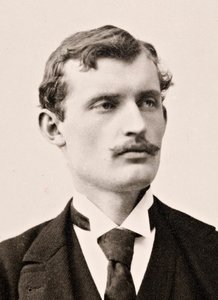
1863 - 1944 , السويد

اكتشف 25 تحفة فنية لإدوارد مونك، رائد التعبيرية. استكشف قصص لوحاته المؤثرة وتقنياته الفريدة وألوانه العميقة. احصل على نسخ عالية الجودة لديكور منزلي فاخر على BuyPopArt.com

Explore the profound world of Edvard Munch, pioneer of Expressionism. Discover the origins of 'The Scream' & his haunting depictions of anxiety, mortality, and love. Expert analysis & high-quality reproductions at BuyPopArt.

اكتشف روائع التعبيرية الفنية! استكشف 10 لوحات أيقونية مع فان جوخ وموش، وأكثر. تعرف على تاريخ الفن، أساليب الفنانين، وابتكر ديكورًا فريدًا. احصل على إعادة إنتاج عالية الجودة من BuyPopArt.com.

Explore the raw emotion of Expressionism with BuyPopArt. Discover its history, key artists like Kirchner & Munch, and lasting influence on modern art. Expert insights for collectors & enthusiasts.

Explore 10 defining German Expressionism masterpieces – from Munch's 'The Scream' to Kandinsky’s abstracts. Discover the artists, stories & bold colors behind this powerful art movement. Find museum-quality reproductions at BuyPopArt.com.


ابقَ على اطلاع بأحدث أخبار الفن، والعروض الحصرية، وأفكار الديكور.
أخبرنا عن مشروعك، وسيقدم لك خبراؤنا الفنيون 3 اقتراحات فنية مخصصة لك.
دعنا نختار لك ٣ خيارات مخصصة تماماً - مجاناً!


 معاينة الحجم الحقيقي
 مشاركة
 مشاركة
 التفاصيل

 تحميل الملف
 قطع مشابهة
 الأشعة السينية
 عرض شرائح
 عرض المزيد







 خيار الزجاج متاح فقط للمقاسات التي تقل عن 110 سم


