طباعة جيكلي أو كانفاس بجودة المتاحف، مع سرعة في التنفيذ وخيارات متنوعة للتشطيب. ( اشترِ لوحة مرسومة يدويًا اشترِ الصورة)





























اختر من بين أحجامنا المُعدّة مسبقًا والتي تتطابق مع النسب الأصلية للعمل الفني.

يمكنك إدخال أبعادك الخاصة لتناسب إطاراً أو مساحة معينة. وإذا لم يتطابق الحجم الذي اخترته مع نسب الصورة الأصلية، فسنقوم إما بقص العمل الفني أو تمديد الصورة باستخدام حافة معكوسة أو بلون مصمت. سيتم إرسال نموذج تجريبي رقمي لاعتمادك قبل بدء الإنتاج.
يرجى ملاحظة أن المعاينة على الشاشة لا تعكس عملية القص أو التمديد الفعلية؛ حيث سيوضح النموذج التجريبي فقط التكوين النهائي بدقة.
وعلى الرغم من توفر أحجام مخصصة، إلا أننا نوصي باختيار أبعاد من القائمة المحددة مسبقاً للحفاظ على النسب الأصلية.
توصيل عالمي إلى خلال أسبوعين بدلاً من المدة القياسية البالغة 4/5 أسابيع. 16 أغسطس


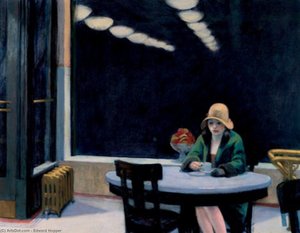
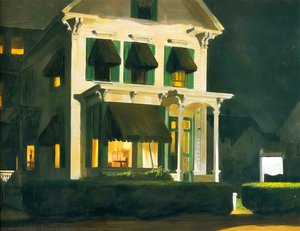
Eleven AM
مقاس النسخة المطبوعة
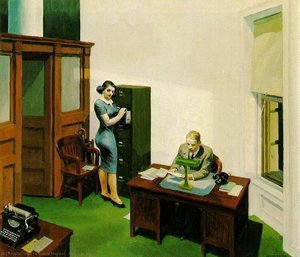
Edward Hopper, a master of American realism, possessed an uncanny ability to distill the essence of modern life – its quiet desperation, its pervasive loneliness, and its fleeting moments of beauty – onto canvas. “Eleven A.M.”, painted in 1926, is a particularly poignant example of this skill. The painting depicts a solitary woman seated by a window, bathed in a soft yet revealing light that seems to simultaneously illuminate and isolate her. It’s not a scene of dramatic action, but rather one of profound stillness, inviting the viewer into an intimate contemplation of interiority and the human condition.
The composition is deceptively simple: a woman in a blue armchair, positioned near a window that offers a glimpse of the world outside. However, it’s within this simplicity that Hopper's genius resides. The room itself is modestly furnished – a dresser, a framed picture, and a lamp all contribute to a sense of everyday life, yet they also underscore the woman’s isolation. She isn’t actively engaged with her surroundings; instead, she appears lost in thought, her gaze directed outwards but seemingly unfocused. The careful arrangement of objects within the room doesn't feel cluttered or busy, but rather deliberately sparse, emphasizing the emptiness that surrounds the figure. Hopper masterfully uses light and shadow to sculpt the form of the woman and define the space around her, creating a dramatic contrast that draws the eye and heightens the emotional impact.
Hopper's technique in “Eleven A.M.” is characterized by a meticulous attention to detail and a masterful command of oil paint. His brushstrokes are relatively smooth, creating a realistic depiction of form and texture. The light streaming through the window isn’t merely illumination; it’s a character in itself, shaping the mood and revealing subtle nuances of emotion. Notice how the light catches on the woman's skin, highlighting her vulnerability, while simultaneously casting deep shadows that suggest a sense of melancholy or introspection. The color palette is restrained – blues, browns, and muted reds dominate the scene – further contributing to the painting’s somber atmosphere. This isn’t a vibrant, celebratory depiction of life; it’s a quiet, introspective study of human emotion.
To understand “Eleven A.M.” fully, it's essential to consider the historical context in which it was created. The 1920s were a period of rapid social change in America – urbanization, industrialization, and shifting societal norms all contributed to a sense of alienation and disillusionment. Hopper’s work often reflects these anxieties, capturing the loneliness and isolation that many people experienced in the modern world. The window in “Eleven A.M.” is particularly symbolic; it represents a connection to the outside world, yet the woman's position within the room suggests a barrier between her and that world. She is both present and absent, connected and disconnected. The painting invites us to consider the complexities of human experience – our longing for connection, our fear of isolation, and our search for meaning in a rapidly changing world.
Hopper’s artistic influences are also apparent in “Eleven A.M.” While he developed his own unique style, he was deeply influenced by French Impressionists like Édouard Manet and Edgar Degas, as well as American artists such as Robert Henri. Like these predecessors, Hopper sought to capture the realities of modern life with honesty and sensitivity. However, he went beyond mere representation; he imbued his paintings with a psychological depth that resonated with viewers on an emotional level. “Eleven A.M.” is not simply a depiction of a woman in a room; it’s a powerful exploration of the human condition – a timeless meditation on solitude, introspection, and the search for meaning.

1931 - 1967 , الولايات المتحدة الأمريكية

Explore the profound depth of American Realism. From the gritty Ashcan School to poignant social landscapes, discover how masters captured the raw soul of a nation through evocative oil paintings and timeless art history.


ابقَ على اطلاع بأحدث أخبار الفن، والعروض الحصرية، وأفكار الديكور.
أخبرنا عن مشروعك، وسيقدم لك خبراؤنا الفنيون 3 اقتراحات فنية مخصصة لك.
دعنا نختار لك ٣ خيارات مخصصة تماماً - مجاناً!


 معاينة الحجم الحقيقي
 مشاركة
 مشاركة
 التفاصيل

 تحميل الملف
 قطع مشابهة
 الأشعة السينية
 عرض شرائح

 عرض المزيد







 خيار الزجاج متاح فقط للمقاسات التي تقل عن 110 سم