طباعة جيكلي أو كانفاس بجودة المتاحف، مع سرعة في التنفيذ وخيارات متنوعة للتشطيب. ( اشترِ لوحة مرسومة يدويًا اشترِ الصورة)





























اختر من بين أحجامنا المُعدّة مسبقًا والتي تتطابق مع النسب الأصلية للعمل الفني.

يمكنك إدخال أبعادك الخاصة لتناسب إطاراً أو مساحة معينة. وإذا لم يتطابق الحجم الذي اخترته مع نسب الصورة الأصلية، فسنقوم إما بقص العمل الفني أو تمديد الصورة باستخدام حافة معكوسة أو بلون مصمت. سيتم إرسال نموذج تجريبي رقمي لاعتمادك قبل بدء الإنتاج.
يرجى ملاحظة أن المعاينة على الشاشة لا تعكس عملية القص أو التمديد الفعلية؛ حيث سيوضح النموذج التجريبي فقط التكوين النهائي بدقة.
وعلى الرغم من توفر أحجام مخصصة، إلا أننا نوصي باختيار أبعاد من القائمة المحددة مسبقاً للحفاظ على النسب الأصلية.
توصيل عالمي إلى خلال أسبوعين بدلاً من المدة القياسية البالغة 4/5 أسابيع. 15 أغسطس


Branches (Logs)
مقاس النسخة المطبوعة
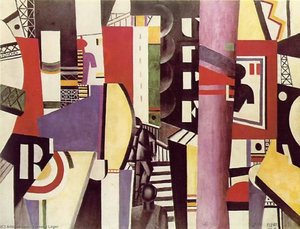
Fernand Léger's “Branches (Logs),” painted in 1955, offers a captivating glimpse into the artist’s unique vision—a synthesis of surrealism and industrial influence. This work, seemingly simple in its arrangement of bottles, a cup, and a solitary figure, reveals layers of meaning rooted in Léger’s lifelong fascination with the burgeoning machine age and his desire to translate its rhythms and forms into a new artistic language. The painting's power lies not just in its visual composition but also in the historical context from which it emerged – a period of rapid industrialization profoundly shaping European society, and consequently, art.
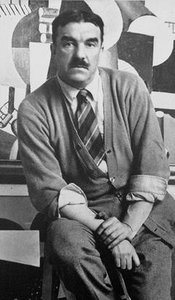
Born Joseph Fernand Henri Léger in 1881 in Argentan, Normandy, Léger’s artistic journey was profoundly shaped by his rural upbringing. This early experience instilled a deep appreciation for the physicality of labor and the rhythms of nature – themes that would later inform his engagement with the industrial world. Unlike many of his contemporaries who sought to escape representation through pure abstraction, Léger actively embraced modernity, seeking to capture its dynamism and mechanical essence within his art. He famously declared his intention to “paint the machine,” not as a literal depiction but as an embodiment of power, progress, and the human relationship with technology.
His work reflects a desire to bridge the gap between the natural world and the burgeoning industrial landscape. The seemingly random arrangement of objects in "Branches (Logs)" can be interpreted as a visual metaphor for the chaotic yet ordered processes of industry – a reflection on humanity’s impact on, and interaction with, the environment.
"Branches (Logs)" is more than just a still life; it's a meditation on the human condition in an age of rapid change. The solitary figure, positioned towards the left side of the painting, adds to the sense of isolation and contemplation. It suggests a viewer observing this strange tableau, perhaps pondering its meaning or confronting the unsettling implications of industrialization. Léger’s deliberate ambiguity invites multiple interpretations, fostering a dialogue between the viewer and the artwork.
The painting's emotional impact is one of quiet unease—a subtle tension created by the juxtaposition of familiar objects in an unfamiliar setting. It evokes a sense of wonder and perhaps even apprehension about the future, prompting us to consider our place within a world increasingly shaped by technology and industry.
Fernand Léger’s “Branches (Logs)” stands as a testament to his pioneering spirit and his profound influence on 20th-century art. His work helped pave the way for subsequent generations of artists who sought to explore the relationship between form, function, and the human experience in an increasingly mechanized world. A hand-painted reproduction offers a unique opportunity to own a piece of this artistic legacy, bringing Léger’s visionary aesthetic into your home or workspace.
1881 - 1955 , فرنسا

Discover the power of Neo-Abstract art. Explore how bold geometric forms and high-impact visual energy are redefining modern design. Learn to curate sophisticated, high-energy spaces with the latest trends in contemporary abstraction and structural color.

Master the high-impact world of contemporary abstraction. Discover how bold colors, textures, and modern movements like Abstract Expressionism can transform your space with premium, high-energy art curated for the design-conscious professional.

Dive into the high-energy world of Lyrical Abstraction. Explore how bold colors, fluid motion, and emotional depth define this modern masterpiece movement. Discover iconic artists and learn to bring this vibrant, soulful energy into your contemporary space.

Level up your space with bold Pop Art and Abstract prints. Discover how high-impact, trend-driven visuals transform modern interiors into ultimate chill zones. Master the art of curation with expert design tips for a high-energy, contemporary aesthetic.

Discover BuyPopArt.com's premium poster prints. Featuring 12-color pigment technology and museum-grade substrates, our versatile, high-fidelity prints offer vivid colors and archival quality for sophisticated modern decor. Elevate your space with professional art solutions.


ابقَ على اطلاع بأحدث أخبار الفن، والعروض الحصرية، وأفكار الديكور.
أخبرنا عن مشروعك، وسيقدم لك خبراؤنا الفنيون 3 اقتراحات فنية مخصصة لك.
دعنا نختار لك ٣ خيارات مخصصة تماماً - مجاناً!


 معاينة الحجم الحقيقي
 مشاركة
 مشاركة
 التفاصيل

 تحميل الملف
 قطع مشابهة
 الأشعة السينية
 عرض شرائح

 عرض المزيد







 خيار الزجاج متاح فقط للمقاسات التي تقل عن 110 سم