طباعة جيكلي أو كانفاس بجودة المتاحف، مع سرعة في التنفيذ وخيارات متنوعة للتشطيب. ( التحويل إلى لوحة مرسومة يدوياً التبديل إلى الصورة)





























اختر من بين أحجامنا المُعدّة مسبقًا والتي تتطابق مع النسب الأصلية للعمل الفني.

يمكنك إدخال أبعادك الخاصة لتناسب إطاراً أو مساحة معينة. وإذا لم يتطابق الحجم الذي اخترته مع نسب الصورة الأصلية، فسنقوم إما بقص العمل الفني أو تمديد الصورة باستخدام حافة معكوسة أو بلون مصمت. سيتم إرسال نموذج تجريبي رقمي لاعتمادك قبل بدء الإنتاج.
يرجى ملاحظة أن المعاينة على الشاشة لا تعكس عملية القص أو التمديد الفعلية؛ حيث سيوضح النموذج التجريبي فقط التكوين النهائي بدقة.
وعلى الرغم من توفر أحجام مخصصة، إلا أننا نوصي باختيار أبعاد من القائمة المحددة مسبقاً للحفاظ على النسب الأصلية.
توصيل عالمي إلى خلال أسبوعين بدلاً من المدة القياسية البالغة 4/5 أسابيع. 10 أغسطس


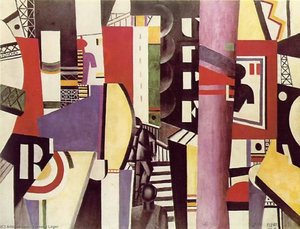
Composition
مقاس النسخة المطبوعة
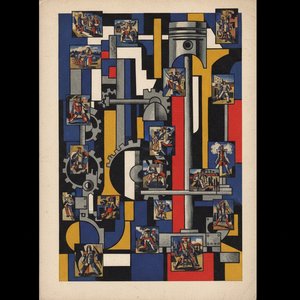
Fernand Léger's "Composition," painted in 1940, offers a captivating glimpse into the artist’s revolutionary approach to depicting the modern world. This vibrant canvas, dominated by the bold interplay of red, yellow, and blue, immediately draws the viewer into a dynamic aquatic scene teeming with life – a far cry from the traditional landscapes favored by many of his contemporaries. Léger, born Joseph Fernand Henri Léger in 1881 in Argentan, Normandy, was a pivotal figure in the transition between early modernism and later abstract movements. His work reflects a profound engagement with the industrial age, translating its geometric forms and mechanical rhythms into a uniquely expressive visual language.
Created during a period of rapid technological advancement, “Composition” embodies Léger’s fascination with machines and their impact on human experience. He wasn't simply painting *of* machines; he was attempting to capture their essence – their power, their precision, and their inherent dynamism. The fish themselves become stylized representations of these mechanical forms, rendered in bold, angular shapes and vibrant colors that evoke the energy of a factory floor or the movement of a locomotive. This approach aligns with Léger’s broader artistic philosophy, which sought to integrate modernity into art, rejecting purely abstract notions while retaining a strong connection to observable reality.
Léger's technique is characterized by a deliberate flatness of picture plane and a rejection of traditional perspective. He employed a thick impasto application of paint, building up layers of color that create a tactile surface and enhance the sense of movement within the composition. The use of primary colors – red, yellow, and blue – is particularly striking, reflecting Léger’s desire to convey raw energy and emotion. The varying sizes and hues of the fish contribute to a visual richness, creating depth through scale and color gradation rather than relying on conventional spatial illusion. This technique was revolutionary for its time, pushing the boundaries of representational painting.
Beyond its formal qualities, “Composition” carries a subtle symbolic weight. The aquatic setting can be interpreted as representing both the natural world – a realm Léger sought to reconcile with industrial progress – and the subconscious depths of human experience. The multitude of fish suggests an interconnectedness, mirroring Léger’s belief in the unity of form and function. The painting's emotional impact is one of vibrant energy and optimistic dynamism; it’s a celebration of modern life, albeit viewed through the lens of a unique artistic vision.
“Composition,” painted in 1940, stands as a testament to Fernand Léger's enduring legacy as one of the most innovative and influential artists of the 20th century. Its bold colors, dynamic forms, and engagement with the machine age continue to resonate with viewers today. A hand-painted reproduction offers an unparalleled opportunity to experience the full impact of this remarkable work, bringing its energy and vision into any space.
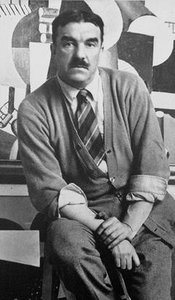
1881 - 1955 , فرنسا

اكتشف 25 تحفة فنية لخوان ميرو، رائد الفن السريالي. استكشف قصص لوحاته الملونة وأسلوبه الفريد. احصل على نسخ عالية الجودة لديكور منزلي فاخر. اكتشف جميع الروائع على BuyPopArt.com
اكتشف 25 تحفة فنية لهنري ماتيس، رائد التعبيرية وFauvism. استكشف قصص لوحاته المذهلة وألوانه الجريئة. احصل على مطبوعات عالية الجودة لديكور منزلي فاخر. اكتشف جميع الروائع على BuyPopArt.com
اكتشف 25 تحفة فنية لفيرناند ليجر، رائد الت تكعيبية والفن الحديث. استكشف قصص لوحاته الجريئة وألوانها المميزة وتأثيرها على عالم الديكور والتصميم الداخلي. احصل على نسخ عالية الجودة من أعمال ليجر الأصلية على BuyPopArt.com.

اكتشف 25 تحفة فنية لجورج براك، رائد الت تكعيبية. تعرف على قصص لوحاته الخالدة وألوانها الفريدة. طباعة لوحات أصلية عالية الجودة لديكور منزلي فاخر. استكشف المجموعة الكاملة الآن على BuyPopArt.com!

اكتشف روائع التكعيبية! استكشف 10 أعمال فنية خالدة لبيكاسو، برات وغيرهم. تعرف على تاريخ الفن، أساليبه وألوانه الجريئة. BuyPopArt: وجهتك للوحات زيتية عالية الجودة وديكور منزلي فريد. تسوق الآن!


ابقَ على اطلاع بأحدث أخبار الفن، والعروض الحصرية، وأفكار الديكور.
أخبرنا عن مشروعك، وسيقدم لك خبراؤنا الفنيون 3 اقتراحات فنية مخصصة لك.
دعنا نختار لك ٣ خيارات مخصصة تماماً - مجاناً!


 معاينة الحجم الحقيقي
 مشاركة
 مشاركة
 التفاصيل

 تحميل الملف
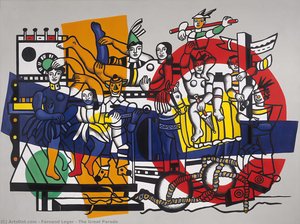
 قطع مشابهة
 الأشعة السينية
 عرض شرائح

 عرض المزيد







 خيار الزجاج متاح فقط للمقاسات التي تقل عن 110 سم