

 Contemporary Realism
 1920
1920 11.0 x 3.0 cm
 Museo Art Nouveau y Art Déco - Casa Lis
طباعة جيكلي أو كانفاس بجودة المتاحف، مع سرعة في التنفيذ وخيارات متنوعة للتشطيب. ( التحويل إلى لوحة مرسومة يدوياً التبديل إلى الصورة)
اختر من بين أحجامنا المُعدّة مسبقًا والتي تتطابق مع النسب الأصلية للعمل الفني.

يمكنك إدخال أبعادك الخاصة لتناسب إطاراً أو مساحة معينة. وإذا لم يتطابق الحجم الذي اخترته مع نسب الصورة الأصلية، فسنقوم إما بقص العمل الفني أو تمديد الصورة باستخدام حافة معكوسة أو بلون مصمت. سيتم إرسال نموذج تجريبي رقمي لاعتمادك قبل بدء الإنتاج.
يرجى ملاحظة أن المعاينة على الشاشة لا تعكس عملية القص أو التمديد الفعلية؛ حيث سيوضح النموذج التجريبي فقط التكوين النهائي بدقة.
وعلى الرغم من توفر أحجام مخصصة، إلا أننا نوصي باختيار أبعاد من القائمة المحددة مسبقاً للحفاظ على النسب الأصلية.
توصيل عالمي إلى خلال أسبوعين بدلاً من المدة القياسية البالغة 4/5 أسابيع. 5 أغسطس


Grasshopper
مقاس النسخة المطبوعة
Franz Xaver Bergmann (July 27, 1861 – January 1, 1936) was a prominent Viennese foundry owner who became renowned for the production of exquisitely detailed and colorful patinated bronze sculptures. Though often mistakenly referred to as a sculptor himself, Bergmann’s true talent lay in his entrepreneurial skill and mastery of the casting process.
Born in Vienna, Austria, Bergmann inherited a family tradition in metalwork. His father, Franz Bergmann, was a skilled chaser who had established a small bronze factory in 1860 after relocating from Gablonz. This foundation provided young Franz Xaver with an early exposure to the intricacies of bronze production and laid the groundwork for his future success.
Franz Xaver Bergmann took over the family business and, in 1900, opened a new and expanded foundry. This marked a significant turning point, allowing him to increase production and diversify the range of bronze objects created. Many early designs continued to draw upon his father’s established workshop repertoire, ensuring a consistent level of quality and artistic merit.
Bergmann's foundry became celebrated for its diverse output, encompassing:
His work is characterized by meticulous detail, vibrant cold-painting techniques, and a playful approach to form. The bronzes often exhibit a remarkable sense of movement and personality.
It’s crucial to understand that Bergmann was not the sculptor in most cases; he was a foundry owner who employed numerous anonymous sculptors on a temporary basis. He expertly managed the casting, patination, and finishing processes, bringing their designs to life with exceptional quality. Bruno Zach, another notable artist, occasionally collaborated with Bergmann, utilizing his foundry for certain works – some of which were signed under the pseudonym ‘Prof. Tuch’.
Bergmann's bronzes are typically marked with either a letter 'B' within an urn-shaped cartouche or 'nam greb' – 'bergman' spelled in reverse. The latter signature was specifically used on erotic pieces to conceal his direct involvement.
Bergmann’s foundry played a significant role in the flourishing of decorative arts during the Art Nouveau period. His bronzes were highly sought after by collectors and remain popular today, representing a unique blend of artistic skill, technical expertise, and entrepreneurial vision. He successfully catered to a growing demand for luxurious and exotic objects, leaving behind a lasting legacy in the world of bronze sculpture.

1861 - 1936 , Austria

اكتشف سحر الفن التجريدي بالأبيض والأسود والرمادي! دليل شامل من خبراء الديكور لاختيار وتنسيق اللوحات، ونصائح لإضاءة مثالية. أضف لمسة فنية راقية لمنزلك.

Transform your cherished travel photos into timeless oil paintings with expert artists at BuyPopArt.com. Museum-quality reproductions & custom portraits – preserve your memories beautifully.

Explore the life & art of Franz Xaver Winterhalter, the celebrated court painter of the 19th century. Discover his exquisite portraits of royalty and aristocracy – a symbol of prestige and refined taste.
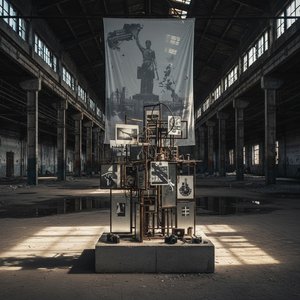
Explore the compelling work of Ukrainian artist Pavlo Makov, renowned for his conceptual photography deconstructing Soviet legacy. Discover his unique artistic process and investment potential.
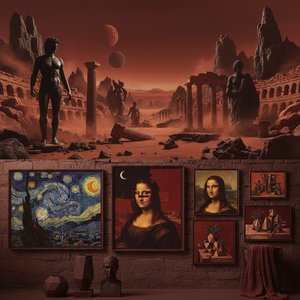
Delve into the power of 'Mars Black' with 10 iconic paintings by masters like Rembrandt & Caravaggio. Explore dramatic chiaroscuro, gothic art, and timeless beauty. Find museum-quality reproductions & elevate your home decor on .


ابقَ على اطلاع بأحدث أخبار الفن، والعروض الحصرية، وأفكار الديكور.
أخبرنا عن مشروعك، وسيقدم لك خبراؤنا الفنيون 3 اقتراحات فنية مخصصة لك.
دعنا نختار لك ٣ خيارات مخصصة تماماً - مجاناً!


 معاينة الحجم الحقيقي
 مشاركة
 مشاركة
 التفاصيل

 تحميل الملف
 قطع مشابهة
 الأشعة السينية
 عرض شرائح
 عرض المزيد




































 خيار الزجاج متاح فقط للمقاسات التي تقل عن 110 سم


