

احصل على صورة رقمية عالية الدقة ومعزّنة، بجودة تفوق بكثير المعاينة عبر الإنترنت.
يتم إعداد كل ملف بعناية فائقة من قبل متخصصينا الداخليين باستخدام أدوات متقدمة ولمسات يدوية خبيرة. نضمن أن تتمتع كل صورة بوضوح استثنائي، ودقة لونية متناهية، وتفاصيل دقيقة.
يتم تسليم الملف النهائي عبر البريد الإلكتروني في غضون 72 ساعة، وهو مُحسَّن للاستخدام الفوري في المجالات المهنية والتحريرية ومجالات الطباعة. هذه هي ذات الجودة التي تعتمد عليها كبرى استوديوهات التصميم ودور النشر والمعارض الفنية المرموقة.
حمّل ملفاً عالي الدقة للعرض الشخصي، والطباعة، والمشاريع الإبداعية. ( اشترِ نسخة مطبوعة اشترِ لوحة مرسومة يدويًا)
عندما تختار BuyPopArt.com، فأنت لا تحصل على مجرد صورة فحسب، بل ستحصل على عمل فني رقمي مُحسّن باحترافية، صُمم بدقة متناهية ومصحوب بضمان الرضا. إليك كل ما يتضمنه طلبك تلقائياً:

ستصلك ملفات صورك الرقمية عالية الدقة عبر البريد الإلكتروني في غضون 72 ساعة من إتمام الطلب - لتكون جاهزة للاستخدام الفوري.

يتم تحسين عملك الفني باحترافية باستخدام أدوات الذكاء الاصطناعي المتقدمة والتحرير اليدوي، لضمان أقصى درجات التفاصيل والوضوح ودقة الألوان.

هل حذفت ملفك أو فقدته عن طريق الخطأ؟ لا تقلق - سنعيد إرساله إليك في أي وقت، ومجاناً.

استمتع بأعمالك الفنية فوراً دون أي رسوم جمركية أو ضرائب أو مصاريف شحن - فالتحميلات الرقمية دائماً ما تكون معفاة من الضرائب.

نحن نضمن أن تعكس صورتك الرقمية الألوان الأصلية بأقصى قدر ممكن من الدقة، وذلك باستخدام أدوات احترافية وتقنيات إدارة الألوان.

إذا لم تكن راضياً عن صورتك الرقمية، فسنقوم بتعديلها أو استرداد 100% من قيمتها خلال 60 يوماً - دون أي أسئلة.

لم تكن راضياً؟ احصل على استرداد كامل المبلغ خلال 60 يومًا من استلام ملفك الرقمي - دون أي أسئلة.

اشتري 3 صور، ووفر 10% - اشتري 5، ووفر 15% - اشتري +10، ووفر 20%. مثالية للمشاريع الإبداعية، والمعارض، والوكالات.
In the quiet intimacy of Georges Braque’s 1911 masterpiece, The Candlestick, we are invited into a world where the mundane is elevated to the profound. This evocative still life serves as a masterclass in the interplay between light and shadow, capturing a moment of suspended animation within a domestic setting. At the heart of the composition sits a singular candlestick, its flame casting a warm, amber glow that breathes life into the surrounding objects. The candlelight does more than merely illuminate; it sculpts the forms of a scattered collection—a bowl, a vase, and two bottles—creating a rhythmic dance of highlights and deep, velvety shadows. This soft radiance lends the scene an almost spiritual quality, transforming a simple arrangement of household items into a contemplative study of presence and light.
The composition is a delicate balance of geometry and organic form. Braque, ever the architect of the canvas, utilizes the odd, sculptural shape of the candlestick holder to anchor the viewer's gaze, while the placement of the bowl on the left and the bottles on the right creates a sense of structural harmony. There is a subtle tension in the arrangement, as if the objects were caught in a fleeting moment of stillness before being disturbed. For the discerning collector or interior designer, this painting offers a sophisticated focal point that brings a sense of historical depth and quiet elegance to any space, bridging the gap between classical subject matter and the burgeoning complexities of early 20th-century modernism.
To understand The Candlestick, one must look through the lens of Braque’s unique artistic evolution. Painted in 1911, a pivotal era in the development of Cubism, the work displays a fascinating transition from traditional representation toward a more fragmented, structural approach. While the subject remains recognizable, there is an unmistakable focus on the tactile quality of the objects and the way light defines their edges. Braque’s background in his family's decorating trade is subtly present here; his technical mastery of texture and surface allows the viewer to almost feel the weight of the ceramic bowl and the smooth glass of the bottles.
The technique employed in this piece avoids the aggressive deconstruction seen in later Cubist works, opting instead for a more lyrical exploration of volume. The brushwork is deliberate yet fluid, creating a sense of atmosphere that wraps around each object like a soft mist. This approach creates an emotional resonance that is both soothing and intellectually stimulating. For those seeking to adorn a room with art that inspires thought and provides a sense of calm, this reproduction captures the essence of Braque’s ability to find extraordinary beauty within the ordinary, making it a timeless addition to a curated collection.
انطلق جورج براك، المولود في أرغنتوي بفرنسا عام 1882، في مسار ارتبط ارتباطاً وثيقاً بالمشهد المتطور للفن الحديث. فقد غرست نشأته داخل عائلة من رسامي المنازل والمزخرفين فيه ليس فقط إتقاناً تقنياً للمواد، بل وأيضاً تقديراً مبكراً للشكل والبنية. ورغم أنه اتبع في البداية حرفة والده، إلا أن ميوله الفنية المتأصلة قادته سريعاً إلى التدريب الرسمي في مدرسة الفنون الجميلة (École des Beaux- அச்ச) في لوفير، مما شكل بداية رحلته ليصبح أحد أكثر الرسامين تأثيراً في القرن العشرين. وقد أثبت هذا الأساس—الذي يمزج بين الحرفية العملية والدراسة الأكاديمية—أهميته القصوى عندما قام لاحقاً بتفكيك وإعادة تصور التقاليد الفنية الراسخة.
ومع انتقاله إلى باريس في عام 1902، واصل براك دراساته في أكاديمية هومبرت، منغمساً في الأجواء الفنية النابضة بالحياة في المدينة. وهنا التقى بفنانين مثل ماري لورنسين وفرانسيس بيكابيا، مما أدى إلى بناء روابط شكلت تطوره المبكر. عكست أعماله الأولى التأثيرات السائدة للمدرسة الانطباعية وما بعد الانطباعية، ولكن اللقاء المحوري مع الألوان الجريئة والحرية التعبيرية للمدرسة الوحشية في عام 1905 أشعل اتجاهاً جديداً في استكشافاته الفنية.
يتجلى تبني براك لمبادئ المدرسة الوحشية—التي تتميز بالألوان القوية غير الطبيعية والتعبير العاطفي—بوضوح في لوحات مثل الصبر. شهدت هذه الفترة عمله جنباً إلى بت جنب مع فنانين مثل هنري ماتيس وأندريه ديران، حيث جرب لوحات ألوان حيوية وأشكال مبسطة. ومع ذلك، لم يكن انخراط براك في الوحشية مجرد تقليد؛ بل أضفى عليها حساسية فريدة، موازناً بين الحماس الجامح للحركة وبين نهج أكثر ضبطاً وتحليلاً.
وصلت نقطة التحول في عام 1907 مع تعرضه للمعرض الاستعادي لأعمال بول سيزان. لقد أثر تركيز سيزان على الأشكال الهندسية وتعدد المنظورات بعمق على براك، مما مهد الطريق لتعاونه الرائد مع بابلو بيكاسو. وبدءاً من عام 1908، انطلق هذان العملاقان الفنيان في فترة من التبادل الفكري المكثف التي ولدت منها التكعيبية—وهي حركة ثورية حطمت المفاهيم التقليدية للتمثيل الفني.
معاً، طور براك وبيكاسو "التكعيبية التحليلية"، حيث قاما بتفكيك الأشياء إلى أشكال هندسية مجزأة وتقديم وجهات نظر متعددة في آن واحد. وتُظهر أعمال مثل منازل إستاك هذه المرحلة المبكرة، مستعرضة تحولاً جذرياً عن المنظور التقليدي وتركيزاً على البنية الأساسية للأشكال. وأصبحت لوحة ألوانهما خافتة عن عمد، مع التركيز على الشكل بدلاً من اللون، حيث سعيا لتمثيل كينونة الشيء وجوهره بدلاً من مجرد مظهره الخارجي.
استمرت الشراكة بين براك وبيكاسو في دفع حدود التعبير الفني، مما أدى إلى تطوير "التكعيبية التركيبية" حوالي عام 1912. شهدت هذه المرحلة إدخال تقنية الكولاج—وهي دمج مواد من العالم الحقيقي مثل قصاصات الصحف وورق الحائط والقماش في اللوحات. هذا الابتكار تحدى الهرمية التقليدية بين الرسم والنحت، مما أدى إلى طمس الخطوط الفاصلة بين الفن والحياة.
أدى اندلاع الحرب العالمية الأولى في عام 1914 إلى انقطاع هذا التعاون المكثف، حيث استُدعي براك للخدمة العسكرية. وقد أثرت تجاربه في الحرب بعمق على رؤيته الفنية، مما دفعه لاستكشاف موضوعات أكثر شخصية وغنائية في أعماله ما بعد الحرب.
في أعقاب الحرب، تطور أسلوب براك ليتجاوز الحدود الصارمة للتكعيبية، حيث دمج عناصر من التكوين الكلاسيكي واهتماماً متجدداً بالطبيعة الصامتة. وبينما احتفظ بالتأثيرات الهندسية التي ميزت أعماله المبكرة، طور نهجاً أكثر دقة وتأملاً في الرسم. وتتميز مناظره الطبيعية وتصويراته الداخلية المتأخرة بأجوائها الهادئة وتناغماتها اللونية الرقيقة.
طوال مسيرته المهنية، ظل براك ملتزماً باستكشاف المبادئ الأساسية للشكل والفضاء والتمثيل. واستمر في التجريب باستخدام مواد وتقنيات مختلفة، دافعاً حدود التعبير الفني حتى وفاته في عام 1963. إن تأثيره على الأجيال اللاحقة من الفنانين لا يمكن قياسه، فقد شكل مسار الفن الحديث وألهم عدداً لا يحصى من الرسامين والنحاتين وفناني الكولاج.
يمتد إرث جورج براك إلى ما هو أبعد من أعماله الفردية؛ فقد غير بشكل جذري فهمنا لكيفية إدراكنا وتمثيلنا للعالم من حولنا. إن روحه التعاونية مع بيكاسو، مقترنة برؤيته الفنية الفريدة، قد رسخت مكانته كرائد حقيقي للفن الحديث—كفنان بارع تجرأ على تحدي التقاليد وإعادة تعريف إمكانيات الرسم.
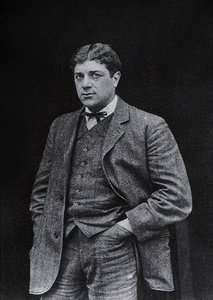
1882 - 1963 , فرنسا


ابقَ على اطلاع بأحدث أخبار الفن، والعروض الحصرية، وأفكار الديكور.
أخبرنا عن مشروعك، وسيقدم لك خبراؤنا الفنيون 3 اقتراحات فنية مخصصة لك.
دعنا نختار لك ٣ خيارات مخصصة تماماً - مجاناً!


 معاينة الحجم الحقيقي
 مشاركة
 مشاركة
 التفاصيل

 تحميل الملف
 قطع مشابهة
 الأشعة السينية
 عرض شرائح


 عرض المزيد