

 Oil On CanvasWallArtMannerism
 1566
1566 67.0 x 51.0 cm
 Kunsthistorisches Museum
طباعة جيكلي أو كانفاس بجودة المتاحف، مع سرعة في التنفيذ وخيارات متنوعة للتشطيب. ( اشترِ لوحة مرسومة يدويًا اشترِ الصورة)





























اختر من بين أحجامنا المُعدّة مسبقًا والتي تتطابق مع النسب الأصلية للعمل الفني.

يمكنك إدخال أبعادك الخاصة لتناسب إطاراً أو مساحة معينة. وإذا لم يتطابق الحجم الذي اخترته مع نسب الصورة الأصلية، فسنقوم إما بقص العمل الفني أو تمديد الصورة باستخدام حافة معكوسة أو بلون مصمت. سيتم إرسال نموذج تجريبي رقمي لاعتمادك قبل بدء الإنتاج.
يرجى ملاحظة أن المعاينة على الشاشة لا تعكس عملية القص أو التمديد الفعلية؛ حيث سيوضح النموذج التجريبي فقط التكوين النهائي بدقة.
وعلى الرغم من توفر أحجام مخصصة، إلا أننا نوصي باختيار أبعاد من القائمة المحددة مسبقاً للحفاظ على النسب الأصلية.
توصيل عالمي إلى خلال أسبوعين بدلاً من المدة القياسية البالغة 4/5 أسابيع. 18 أغسطس


Fire
مقاس النسخة المطبوعة
Giuseppe Arcimboldo’s “Fire,” painted in 1566, stands as a singular achievement within the Renaissance artistic landscape—a testament to inventive visual storytelling and masterful execution. More than just a portrait, it's an elaborate allegory embodying the element of fire itself, reflecting Arcimboldo’s fascination with humanist ideals and his desire to communicate complex ideas through unconventional means.
The artwork depicts the head of a noble figure rendered entirely from meticulously arranged fruits, vegetables, flowers, and stylized avian elements. This audacious technique—characteristic of Arcimboldo's celebrated “Four Elements” series—immediately distinguishes it from traditional portraiture. Rather than striving for realistic representation, Arcimboldo prioritized conveying an overarching concept: the transformative power of fire, its destructive beauty, and its association with divine illumination.
Created during the height of the Renaissance in Milan—a city renowned for its artistic patronage—Arcimboldo's work reflects the humanist spirit of the era, which championed observation of nature and explored philosophical concepts rooted in classical antiquity. The element of fire itself held profound symbolic meaning: representing divine illumination, purification, and transformation – mirroring Arcimboldo’s belief that art could elevate the human intellect.
The carefully chosen fruits—apples, pears, peaches—suggest ripeness and abundance, symbolizing vitality and earthly pleasures. Flowers contribute to the overall aesthetic beauty while subtly hinting at spiritual contemplation. The stylized bird represents aspiration and transcendence, elevating the figure’s gaze beyond the mundane realm. Arcimboldo's masterful manipulation of texture and color reinforces these symbolic associations, creating a visual experience that transcends mere representation.
"Fire" captivates viewers with its arresting juxtaposition of organic forms and geometric precision—a stylistic hallmark of Arcimboldo’s oeuvre. The melancholic expression on the figure's face underscores the painting’s contemplative mood, inviting reflection on themes of mortality and spiritual enlightenment. More than just a decorative masterpiece, “Fire” remains an enduring symbol of artistic innovation and intellectual curiosity—a testament to Arcimboldo’s ability to transform visual conventions into vehicles for profound philosophical inquiry.
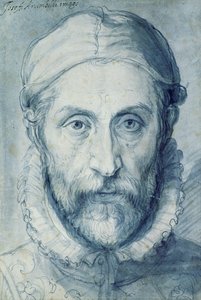
1527 - 1593 , إيطاليا

Master the art of impact with our expert guide to oil on panel. Discover how impasto textures and heavy-body pigments create 3D depth and bold visual energy for modern interiors. Elevate your space with high-impact, hand-painted masterpieces designed for maximum aesthetic punch.


ابقَ على اطلاع بأحدث أخبار الفن، والعروض الحصرية، وأفكار الديكور.
أخبرنا عن مشروعك، وسيقدم لك خبراؤنا الفنيون 3 اقتراحات فنية مخصصة لك.
دعنا نختار لك ٣ خيارات مخصصة تماماً - مجاناً!


 معاينة الحجم الحقيقي
 مشاركة
 مشاركة
 التفاصيل

 تحميل الملف
 قطع مشابهة
 الأشعة السينية
 عرض شرائح
 عرض المزيد







 خيار الزجاج متاح فقط للمقاسات التي تقل عن 110 سم


