

 InkWallArt
 1795Early Modern
 108.0 x 39.0 cm
لوحة زيتية مرسومة يدوياً على الكانفاس بالمقاس والإطار الذي تفضله، تُنفذ حسب الطلب على أيدي فنانينا. ( اشترِ نسخة مطبوعة اشترِ الصورة)





























اختر من بين أحجامنا المُعدّة مسبقًا والتي تتطابق مع النسب الأصلية للعمل الفني.

يمكنك إدخال أبعادك الخاصة لتناسب إطارًا معينًا أو مساحة محددة. وإذا لم يتطابق الحجم الذي اخترته مع نسب الصورة الأصلية، فسنقوم إما بقص العمل الفني أو توسيع اللوحة بإضافة عناصر مرسومة يدويًا. سيتم إرسال نموذج رقمي إليك للموافقة عليه قبل بدء الإنتاج.
يرجى ملاحظة أن المعاينة على الشاشة لا تعكس عملية القص أو التوسيع الفعلية؛ حيث إن النموذج الرقمي وحده هو الذي سيوضح التكوين النهائي بدقة.
وعلى الرغم من توفر أحجام مخصصة، إلا أننا نوصي باختيار أبعاد من القائمة المحددة مسبقًا للحفاظ على النسب الأصلية للعمل الفني.
توصيل عالمي إلى خلال 3 إلى 4 أسابيع بدلاً من المدة المعتادة البالغة 5 أسابيع. (17 أغسطس). جودة لا تهاون فيها.


Two Cranes
مقاس النسخة المطبوعة
In the quietude of a winter landscape, two cranes stand as silent sentinels amidst a soft, dusting of snow. This exquisite work by the Edo-period master Itō Jakuchū captures a moment of profound stillness, inviting the viewer into a world where nature and spirit converge. The composition is elegantly elongated, drawing the eye upward along the slender, graceful necks of the birds, which seem to reach toward an unseen horizon. There is a rhythmic simplicity to the scene; the heavy, textured snowdrift at the base provides a grounded, earthy foundation that contrasts beautifully with the ethereal, almost weightless quality of the cranes' presence. It is a painting that does not merely depict a scene but evokes an atmosphere of deep, meditative peace.
The artistry of Jakuchū is revealed through his masterful command of the sumi-e tradition, blended with a unique, individualistic flair that set him apart from his contemporaries. Using ink and pigment on what was likely silk or fine paper, the artist employs a delicate range of tonal variations to breathe life into the subjects. The brushwork is both fluid and intentional; subtle, sweeping strokes define the contours of the birds' plumage, while more diffused, watery applications of ink create the soft, powdery texture of the snow. This technique allows for a sense of organic movement within a static moment, as if a light breeze might stir the feathers or disturb the frozen landscape at any second.
Beyond its visual elegance, this artwork is steeped in the rich symbolic language of Japanese culture. The crane, a central figure in East Asian iconography, is far more than a mere biological subject; it is a potent symbol of longevity, fidelity, and good fortune. By placing these two birds together within a desolate yet beautiful landscape, Jakuchū evokes themes of harmony and enduring companionship. The muted, earthy palette—dominated by shades of beige, grey, and soft brown—complements this spiritual depth, avoiding the distraction of vibrant color to focus instead on the essential essence of the subjects. A singular touch of red from the artist’s seal serves as a poignant reminder of the human hand behind the divine natural observation.
For the discerning collector or interior designer, this piece offers a timeless sophistication that transcends eras. Its understated elegance makes it an ideal centerpiece for spaces designed for contemplation, such as a library, a minimalist study, or a serene wellness retreat. The artwork’s ability to command attention through subtlety rather than spectacle ensures it remains a focal point of quiet strength. Whether viewed as a historical masterpiece of the Kyoto school or as a contemporary element of Zen-inspired decor, Two Cranes continues to resonate with anyone who finds beauty in the delicate balance between the ephemeral and the eternal.

1716 - 1800 , اليابان
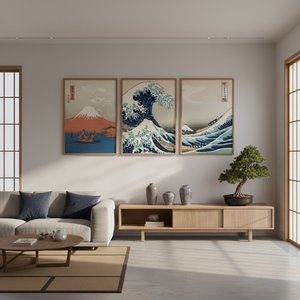
اكتشف 25 تحفة فنية آسرة لكاتسوشيكا هوكوساي، رائد فن الأوكييو-إي الياباني. موجة كاناغاوا وجبل فوجي وأكثر! استلهم ديكور منزلك بألوان مائية يابانية خالدة. تسوق لوحات هوكوساي عالية الجودة على BuyPopArt.com.
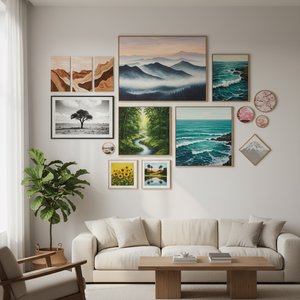
Journey through 10 breathtaking landscape paintings by Monet, Van Gogh & more! Explore iconic artworks, artistic techniques & find inspiration for your home decor. Museum-quality reproductions at BuyPopArt.com. Discover all masterpieces on BuyPopArt.com

Embark on a sophisticated exploration of ink wash painting and Sumi-e. Uncover the profound historical lineages, Zen philosophies, and technical mastery behind this timeless medium in our authoritative guide for fine art enthusiasts.
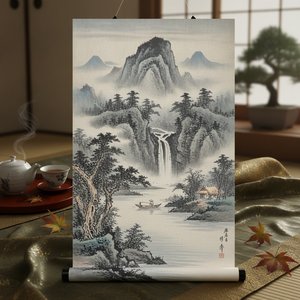
Discover the serene beauty of Japanese landscape painting. From Hokusai's iconic woodblock prints to meditative sumi-e ink washes, explore a visual journey through the 'floating world' and learn how to bring this timeless Zen aesthetic into your modern home decor.

اكتشف 10 روائع فنية رسمت مسار الفن الرومانسي! استكشف لوحات فريدريش، مالارد وأكثر. قصص الفنانين، تقنيات الرسم، وجمال المناظر الطبيعية الخلابة. احصل على أعمال فنية عالية الجودة من BuyPopArt.com!


ابقَ على اطلاع بأحدث أخبار الفن، والعروض الحصرية، وأفكار الديكور.
أخبرنا عن مشروعك، وسيقدم لك خبراؤنا الفنيون 3 اقتراحات فنية مخصصة لك.
دعنا نختار لك ٣ خيارات مخصصة تماماً - مجاناً!


 معاينة الحجم الحقيقي
 مشاركة
 مشاركة
 التفاصيل

 تحميل الملف
 قطع مشابهة
 الأشعة السينية
 عرض شرائح
 عرض المزيد







 خيار الزجاج متاح فقط للمقاسات التي تقل عن 110 سم


