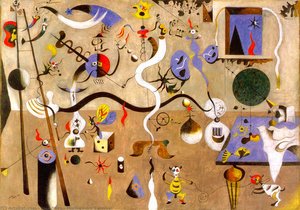
لوحة زيتية مرسومة يدوياً على الكانفاس بالمقاس والإطار الذي تفضله، تُنفذ حسب الطلب على أيدي فنانينا. ( اشترِ نسخة مطبوعة اشترِ الصورة)





























اختر من بين أحجامنا المُعدّة مسبقًا والتي تتطابق مع النسب الأصلية للعمل الفني.

يمكنك إدخال أبعادك الخاصة لتناسب إطارًا معينًا أو مساحة محددة. وإذا لم يتطابق الحجم الذي اخترته مع نسب الصورة الأصلية، فسنقوم إما بقص العمل الفني أو توسيع اللوحة بإضافة عناصر مرسومة يدويًا. سيتم إرسال نموذج رقمي إليك للموافقة عليه قبل بدء الإنتاج.
يرجى ملاحظة أن المعاينة على الشاشة لا تعكس عملية القص أو التوسيع الفعلية؛ حيث إن النموذج الرقمي وحده هو الذي سيوضح التكوين النهائي بدقة.
وعلى الرغم من توفر أحجام مخصصة، إلا أننا نوصي باختيار أبعاد من القائمة المحددة مسبقًا للحفاظ على النسب الأصلية للعمل الفني.
توصيل عالمي إلى خلال 3 إلى 4 أسابيع بدلاً من المدة المعتادة البالغة 5 أسابيع. (14 أغسطس). جودة لا تهاون فيها.


Mujer 1
مقاس النسخة المطبوعة
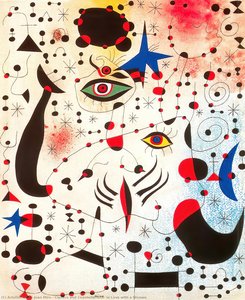
Joan Miró's "Mujer 1" (Woman 1) isn’t merely a painting; it’s an invitation to step through a portal into the artist’s intensely personal and profoundly symbolic world. Born in Barcelona in 1893, Miró wasn’t simply following artistic trends—he was forging his own path, translating the landscapes of his Catalan homeland, the memories of his childhood, and the currents of his subconscious onto canvas with an unparalleled poetic grace. This particular work, painted around 1967, exemplifies this journey, presenting a woman's face not as a realistic portrait but as a distilled essence—a luminous fragment imbued with emotion and enigmatic suggestion. The painting’s power lies in its ability to evoke a sense of timelessness, inviting the viewer to contemplate the universal themes of femininity, memory, and the hidden depths of the human psyche.
Miró's style defies easy categorization, yet it’s most accurately described as abstract surrealism. He emerged from the vibrant artistic circles of Paris in the 1920s, encountering and absorbing influences from movements like Cubism, Fauvism, and Surrealism. However, he didn’t simply adopt these styles; he internalized them, transforming them into a uniquely Miróesque language. “Mujer 1” showcases this masterful synthesis—the fragmented forms reminiscent of Cubist explorations are softened by the vibrant colors and dreamlike atmosphere characteristic of Surrealism. The painting rejects precise representation in favor of symbolic shapes, floating figures, and an overall sense of spontaneity, as if conjured directly from a subconscious landscape.
Miró’s work is rich with symbolism, often drawing upon Catalan folklore, mythology, and his own personal experiences. The woman's face itself is deliberately ambiguous—her features are simplified, almost childlike, suggesting a connection to childhood memories and primal instincts. The necklace she wears, a delicate detail amidst the abstract composition, could represent adornment, protection, or perhaps even a link to a past life. The color palette – dominated by deep blues, ochres, and yellows – evokes both the Mediterranean sky and the earthy tones of the Catalan countryside. The overall effect is not one of narrative clarity but of evocative suggestion—a visual poem inviting multiple interpretations.
Miró’s technique was as unconventional as his subject matter. He frequently employed *grattage*, a method of scraping paint across the canvas to reveal underlying layers, creating a textured surface that adds depth and complexity to the image. This layering is evident in “Mujer 1,” where visible brushstrokes and traces of previous paintings contribute to the painting’s tactile quality. The use of oil paints allows for rich color saturation and blending, while his distinctive approach to composition—often employing biomorphic shapes and irregular lines—creates a sense of dynamic movement and visual interest. The deliberate imperfections and spontaneous gestures in the application of paint further enhance the feeling of immediacy and emotional intensity.
“Mujer 1” isn’t simply an aesthetically pleasing image; it possesses a profound emotional resonance. It evokes a sense of wistful nostalgia, quiet contemplation, and perhaps even a touch of melancholy. The painting's ambiguity encourages viewers to project their own emotions and experiences onto the canvas, creating a deeply personal connection with the artwork. Whether viewed as a meditation on femininity, a reflection on memory, or simply an exploration of the subconscious, “Mujer 1” remains a powerful testament to Miró’s artistic vision—a timeless portrait that continues to captivate and inspire.
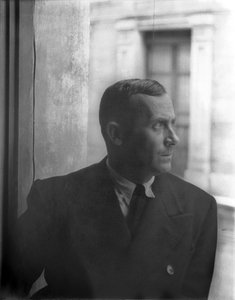
1893 - 1983 , إسبانيا

Master the high-impact world of contemporary abstraction. Discover how bold colors, textures, and modern movements like Abstract Expressionism can transform your space with premium, high-energy art curated for the design-conscious professional.

Dive into the high-energy world of Lyrical Abstraction. Explore how bold colors, fluid motion, and emotional depth define this modern masterpiece movement. Discover iconic artists and learn to bring this vibrant, soulful energy into your contemporary space.

Discover the power of Neo-Abstract art. Explore how bold geometric forms and high-impact visual energy are redefining modern design. Learn to curate sophisticated, high-energy spaces with the latest trends in contemporary abstraction and structural color.


ابقَ على اطلاع بأحدث أخبار الفن، والعروض الحصرية، وأفكار الديكور.
أخبرنا عن مشروعك، وسيقدم لك خبراؤنا الفنيون 3 اقتراحات فنية مخصصة لك.
دعنا نختار لك ٣ خيارات مخصصة تماماً - مجاناً!


 معاينة الحجم الحقيقي
 مشاركة
 مشاركة
 التفاصيل

 تحميل الملف
 قطع مشابهة
 الأشعة السينية
 عرض شرائح
 عرض المزيد







 خيار الزجاج متاح فقط للمقاسات التي تقل عن 110 سم