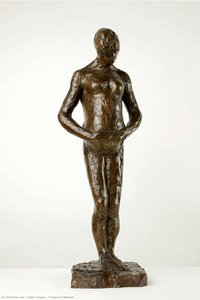
منحوتة برونزيةNeo-Dada
 133.0 x 114.0 cm
 Chrysler Museum of Art
احصل على صورة رقمية عالية الدقة ومعزّنة، بجودة تفوق بكثير المعاينة عبر الإنترنت.
يتم إعداد كل ملف بعناية فائقة من قبل متخصصينا الداخليين باستخدام أدوات متقدمة ولمسات يدوية خبيرة. نضمن أن تتمتع كل صورة بوضوح استثنائي، ودقة لونية متناهية، وتفاصيل دقيقة.
يتم تسليم الملف النهائي عبر البريد الإلكتروني في غضون 72 ساعة، وهو مُحسَّن للاستخدام الفوري في المجالات المهنية والتحريرية ومجالات الطباعة. هذه هي ذات الجودة التي تعتمد عليها كبرى استوديوهات التصميم ودور النشر والمعارض الفنية المرموقة.
حمّل ملفاً عالي الدقة للعرض الشخصي، والطباعة، والمشاريع الإبداعية. ( اشترِ نسخة مطبوعة اشترِ لوحة مرسومة يدويًا)
عندما تختار BuyPopArt.com، فأنت لا تحصل على مجرد صورة فحسب، بل ستحصل على عمل فني رقمي مُحسّن باحترافية، صُمم بدقة متناهية ومصحوب بضمان الرضا. إليك كل ما يتضمنه طلبك تلقائياً:

ستصلك ملفات صورك الرقمية عالية الدقة عبر البريد الإلكتروني في غضون 72 ساعة من إتمام الطلب - لتكون جاهزة للاستخدام الفوري.

يتم تحسين عملك الفني باحترافية باستخدام أدوات الذكاء الاصطناعي المتقدمة والتحرير اليدوي، لضمان أقصى درجات التفاصيل والوضوح ودقة الألوان.

هل حذفت ملفك أو فقدته عن طريق الخطأ؟ لا تقلق - سنعيد إرساله إليك في أي وقت، ومجاناً.

استمتع بأعمالك الفنية فوراً دون أي رسوم جمركية أو ضرائب أو مصاريف شحن - فالتحميلات الرقمية دائماً ما تكون معفاة من الضرائب.

نحن نضمن أن تعكس صورتك الرقمية الألوان الأصلية بأقصى قدر ممكن من الدقة، وذلك باستخدام أدوات احترافية وتقنيات إدارة الألوان.

إذا لم تكن راضياً عن صورتك الرقمية، فسنقوم بتعديلها أو استرداد 100% من قيمتها خلال 60 يوماً - دون أي أسئلة.

لم تكن راضياً؟ احصل على استرداد كامل المبلغ خلال 60 يومًا من استلام ملفك الرقمي - دون أي أسئلة.

اشتري 3 صور، ووفر 10% - اشتري 5، ووفر 15% - اشتري +10، ووفر 20%. مثالية للمشاريع الإبداعية، والمعارض، والوكالات.
John Angus Chamberlain (1927-2011) لم يكن مجرد نحات أمريكي، بل كان رائدًا في إعادة تعريف الفن ثلاثي الأبعاد وتوسيع حدود التعبير البصري، تاركًا إرثًا فريدًا يجمع بين روح التجريد الزخرفي والتراث الصناعي الأمريكي. ولد في روเชสเตอร์، إنديانا، وبدأ مسيرته الفنية بتشكيل النحت والتعامل مع المعادن قبل أن يتبنى تقنيات مبتكرة مثل اللحام والتكسر لتحويل هذه المواد إلى منحوتات ضخمة ومؤثرة.
كانت طفولته في شيكاغو بمثابة نقطة انطلاق لاهتمامه بالفنون والحرف اليدوية، حيث استلهم الإلهام من الطبيعة والبيئة المحيطة به، وتأثر بأعمال الفنانين التجريديين الكبار مثل مارسل دوشامب وجورجيا كريسلي وريتشارد روجرز، الذين كان لديهم تأثير كبير على أسلوبه الفني وتوجهاته النحتية.
تعتبر منحوتات تشارلمبير جين من أهم الأعمال النحتية التي ظهرت في القرن العشرين، وتتميز بتوازنها بين الأسلوب التجريدي والتراث الصناعي، وتجسد رؤية فنية فريدة تعكس اهتمامًا بالبيئة والبحث عن طرق جديدة للتعبير عن الذات. إنها ليست مجرد قطعة أثرية فنية، بل هي قصة عن الإبداع والابتكار والتغيير المستمر.
إن إعادة إنتاج هذه القطعة الفنية عالية الجودة تتيح لك الاستمتاع بجمال الأسلوب النحتي المميز وتأثيره الزخرفي والتاريخي، وإضفاء لمسة من الأصالة والفخامة على أي مساحة داخلية أو معرض فني.
In the intersection of industrial decay and high art, few figures loom as large or as provocatively as John Angus Chamberlain. Born in 1927 in Rochester, Indiana, Chamberlain did not merely create sculpture; he orchestrated a metamorphosis of the discarded. To look upon his work is to witness a violent yet poetic dialogue between the mechanical past and the abstract present. He possessed a singular vision that allowed him to see not just rusted scrap, but a vocabulary of form, color, and texture. His journey from the son of a saloonkeeper in the American Midwest to a titan of the Neo-Dada movement is a testament to an unyielding creative impulse that sought to find beauty within the crushed and the broken.
Chamberlain’s artistic consciousness was forged through a diverse and rigorous educational odyssey. After serving in the United States Navy during the pivotal years of World War II, he utilized the GI Bill to immerse himself in the burgeoning avant-garde scenes of America. His time at the Art Institute of of Chicago provided him with a foundational mastery of form, but it was his tenure at the legendary Black Mountain College that truly expanded his intellectual horizons. At Black Mountain, he moved beyond the purely visual, studying under influential poets such as Charles Olson and Robert Creeley. This literary immersion profoundly shaped his sculptural language; he famously viewed his collection of automotive fragments as a reservoir of words, where the act of welding was akin to composing a stanza, seeking the perfect placement of one jagged edge against another to achieve a rhythmic, poetic resonance.
The hallmark of Chamberlain’s oeuvre lies in his revolutionary technique of assemblage. While many of his contemporaries were exploring the flat planes of Abstract Expressionist painting, Chamberlain sought to bring that same gestural energy into three-dimensional space. He became a master of the "crushed" aesthetic, meticulously dismantling abandoned automobiles and extracting their vibrant, enamel-coated metal components. Through the intense processes of welding, bending, and compressing, he transformed these industrial remnants into monumental forms that pulsed with an almost organic vitality.
His work defies easy categorization, existing in a fluid state between several major movements:
There is a palpable tension in his sculptures, a sense of captured motion and compressed energy. The bright flashes of Cadillac red or Chevrolet blue, often peeking through layers of rust and grime, create a chromatic intensity that mirrors the dynamism of urban life. He did not seek to represent the car, but rather to capture the spirit of its movement and the inevitable entropy of its decay.
Throughout his prolific career, Chamberlain’s presence was felt across the most significant art hubs of the world, from Manhattan and Los Angeles to Shelter Island and even Belgium. His ability to disrupt the boundaries between sculpture and painting left an indelible mark on the trajectory of modern art. He proved that the debris of the industrial revolution could serve as the medium for a profound spiritual and aesthetic inquiry. Critics often noted that while his materials were cold and hard, the emotional impact of his work was deeply visceral, aiming—as he himself desired—to "make the viewer’s heart beat."
As we reflect on his life, which concluded in 2011, Chamberlain remains a pivotal figure who bridged the gap between the mechanical and the lyrical. He taught us that art is not merely about the creation of something new, but about the radical reimagining of what already exists. His legacy lives on in every artist who looks at the wreckage of the world and sees the potential for a masterpiece, reminding us that even in the crushed and the discarded, there is an eternal, unyielding beauty waiting to be welded back together.

1927 - 2011 , United States of America


ابقَ على اطلاع بأحدث أخبار الفن، والعروض الحصرية، وأفكار الديكور.
أخبرنا عن مشروعك، وسيقدم لك خبراؤنا الفنيون 3 اقتراحات فنية مخصصة لك.
دعنا نختار لك ٣ خيارات مخصصة تماماً - مجاناً!


 مشاركة
 مشاركة
 التفاصيل

 تحميل الملف
 قطع مشابهة
 عرض شرائح
 عرض المزيد