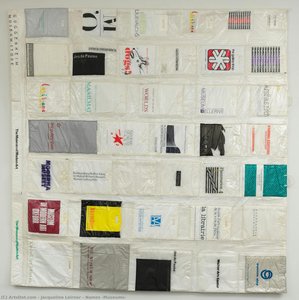
110.0 x 40.0 cm
طباعة جيكلي أو كانفاس بجودة المتاحف، مع سرعة في التنفيذ وخيارات متنوعة للتشطيب. ( اشترِ لوحة مرسومة يدويًا اشترِ الصورة)
اختر من بين أحجامنا المُعدّة مسبقًا والتي تتطابق مع النسب الأصلية للعمل الفني.

يمكنك إدخال أبعادك الخاصة لتناسب إطاراً أو مساحة معينة. وإذا لم يتطابق الحجم الذي اخترته مع نسب الصورة الأصلية، فسنقوم إما بقص العمل الفني أو تمديد الصورة باستخدام حافة معكوسة أو بلون مصمت. سيتم إرسال نموذج تجريبي رقمي لاعتمادك قبل بدء الإنتاج.
يرجى ملاحظة أن المعاينة على الشاشة لا تعكس عملية القص أو التمديد الفعلية؛ حيث سيوضح النموذج التجريبي فقط التكوين النهائي بدقة.
وعلى الرغم من توفر أحجام مخصصة، إلا أننا نوصي باختيار أبعاد من القائمة المحددة مسبقاً للحفاظ على النسب الأصلية.
توصيل عالمي إلى خلال أسبوعين بدلاً من المدة القياسية البالغة 4/5 أسابيع. 15 أغسطس


Two Carp
مقاس النسخة المطبوعة
Yōsai's magnum opus—the *Zenken Kojitsu* (前賢故実)—stands as an extraordinary exemplar of his artistic prowess, particularly in monochrome ink painting. Driven by a profound dedication to historical scholarship and meticulous research, he undertook the ambitious task of documenting over 500 pivotal figures from Japanese history. This monumental undertaking demanded not only technical mastery but also a deep understanding of cultural context—a commitment that resulted in a publication consisting of ten meticulously crafted woodblock prints.
Yōsai's signature technique—monochrome ink painting—was more than just a stylistic choice; it represented a deliberate aesthetic commitment that profoundly shaped his artistic output. Unlike polychrome paintings, which employ multiple colors to create visual richness and illusionistic depth, monochrome works rely solely on shades of black ink to achieve their expressive impact.
Kikuchi Takeyasu’s enduring legacy resides in his pioneering role as a historian-artist—a rare combination that elevated artistic endeavor to the service of scholarly inquiry. His *Zenken Kojitsu* remains an unparalleled achievement of Japanese art history, serving as both a testament to Yōsai's technical skill and a profound contribution to the preservation and dissemination of cultural heritage. Today, his work continues to inspire artists and scholars alike—a beacon of artistic excellence and intellectual curiosity that illuminates the complexities of Edo-period Japan.

1788 - 1878 , Japan


ابقَ على اطلاع بأحدث أخبار الفن، والعروض الحصرية، وأفكار الديكور.
أخبرنا عن مشروعك، وسيقدم لك خبراؤنا الفنيون 3 اقتراحات فنية مخصصة لك.
دعنا نختار لك ٣ خيارات مخصصة تماماً - مجاناً!


 معاينة الحجم الحقيقي
 مشاركة
 مشاركة
 التفاصيل

 تحميل الملف
 قطع مشابهة
 الأشعة السينية
 عرض شرائح
 عرض المزيد




































 خيار الزجاج متاح فقط للمقاسات التي تقل عن 110 سم