Preview
 اطلب نسخة مرسومة يدوياً شراء الصورة بدقة عالية
 مشاركة
 التفاصيل
 أضف إلى المفضلة
 تحميل الملف
 قطع مشابهة
 الأشعة السينية
 عرض شرائح
طباعة جيكلي أو كانفاس بجودة المتاحف، مع سرعة في التنفيذ وخيارات متنوعة للتشطيب.
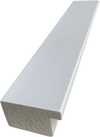
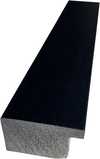
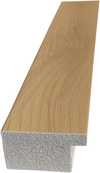
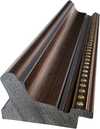
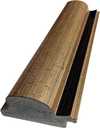
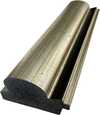
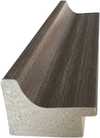
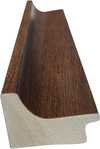
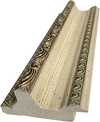
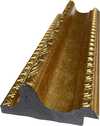
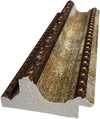
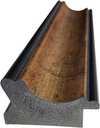
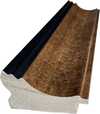
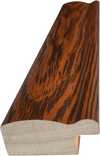
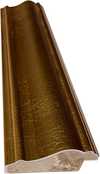
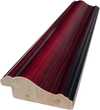
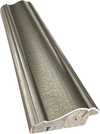
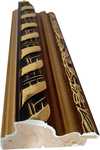
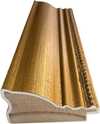
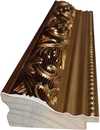
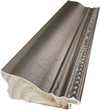
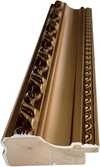
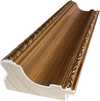
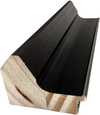
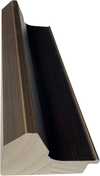
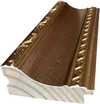
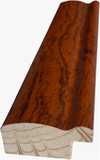
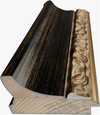
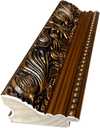
اختر من بين أحجامنا المُعدّة مسبقًا والتي تتطابق مع النسب الأصلية للعمل الفني.

يمكنك إدخال أبعادك الخاصة لتناسب إطاراً أو مساحة معينة. وإذا لم يتطابق الحجم الذي اخترته مع نسب الصورة الأصلية، فسنقوم إما بقص العمل الفني أو تمديد الصورة باستخدام حافة معكوسة أو بلون مصمت. سيتم إرسال نموذج تجريبي رقمي لاعتمادك قبل بدء الإنتاج.
يرجى ملاحظة أن المعاينة على الشاشة لا تعكس عملية القص أو التمديد الفعلية؛ حيث سيوضح النموذج التجريبي فقط التكوين النهائي بدقة.
وعلى الرغم من توفر أحجام مخصصة، إلا أننا نوصي باختيار أبعاد من القائمة المحددة مسبقاً للحفاظ على النسب الأصلية.
توصيل عالمي إلى خلال أسبوعين بدلاً من المدة القياسية البالغة 4/5 أسابيع. 23 يوليو


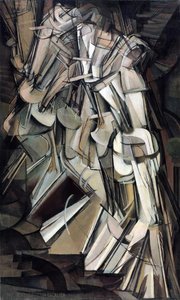
After love
مقاس النسخة المطبوعة
Marcel Duchamp’s “After love” presents a deceptively simple visual statement—a pair of figures embracing—yet it encapsulates profound ideas about intimacy, vulnerability, and the very essence of artistic expression. Executed in 1968, this drawing exemplifies Duchamp's signature minimalist style, prioritizing essential forms conveyed through delicate linework on textured paper.
Historical Context: Created in the twilight years of Duchamp’s career, “After love” reflects the artist's ongoing preoccupation with conceptual art—a movement that questioned traditional artistic conventions by elevating ideas over visual representation. It stands as a testament to Duchamp’s unwavering belief that art could transcend mere aesthetic pleasure and engage viewers on an intellectual level.
Symbolic Significance: The artwork speaks volumes about human connection and emotional vulnerability. Its minimalist style—a hallmark of Duchamp's oeuvre—amplifies the feeling of quiet intimacy, inviting contemplation on themes of affection and tenderness. Like many of his works, “After love” eschews explicit narrative, allowing viewers to interpret its symbolism through their own experiences.
Style & Technique: Duchamp’s approach aligns perfectly with the principles of Conceptual Art—a movement he profoundly influenced. The drawing technique prioritizes capturing fundamental forms with effortless lines, mirroring his fascination with geometric abstraction and challenging notions of artistic skill. It's a deliberate rejection of representational art in favor of exploring conceptual ideas.
Materials Used: Crafted from handmade or textured paper and black ink, “After love” exemplifies Duchamp’s dedication to utilizing readily available materials—a characteristic that underscores the artwork’s simplicity and its grounding in tangible reality. This understated materiality contributes to the piece's contemplative mood.

1887 - 1968 , فرنسا

Explore the revolutionary art of Marcel Duchamp! Discover how his Dadaist readymades challenged artistic conventions & redefined modern art. A deep dive into 'Fountain', conceptual shifts, and his lasting impact.

Explore the revolutionary Dada art movement! Discover its origins, key artists like Duchamp & Arp, and lasting impact on modern art. A deep dive into anti-art & challenging conventions.

Explore the power of conceptual custom art. Discover how hand-painted oil paintings embody personal & political narratives. Expert guidance for collectors seeking meaningful, impactful artwork.

Explore the profound impact of Conceptual Art with BuyPopArt. Discover its history, key artists like Duchamp & Kosuth, and learn how to collect this influential movement. Expert insights for discerning art collectors.

Explore the revolutionary Dada art movement! Discover its origins in WWI, key artists like Duchamp & Höch, core principles, and lasting impact on modern and contemporary art. A comprehensive guide for enthusiasts.


ابقَ على اطلاع بأحدث أخبار الفن، والعروض الحصرية، وأفكار الديكور.
أخبرنا عن مشروعك، وسيقدم لك خبراؤنا الفنيون 3 اقتراحات فنية مخصصة لك.
دعنا نختار لك ٣ خيارات مخصصة تماماً - مجاناً!


 مشاركة


 عرض المزيد
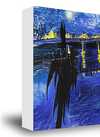
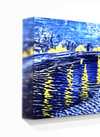
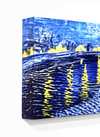

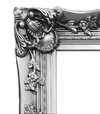
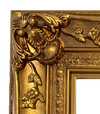
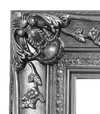
 خيار الزجاج متاح فقط للمقاسات التي تقل عن 110 سم