

 Acrylic On CanvasWallArtProto-Cubism
 1911Modern
 146.0 x 114.0 cm
احصل على صورة رقمية عالية الدقة ومعزّنة، بجودة تفوق بكثير المعاينة عبر الإنترنت.
يتم إعداد كل ملف بعناية فائقة من قبل متخصصينا الداخليين باستخدام أدوات متقدمة ولمسات يدوية خبيرة. نضمن أن تتمتع كل صورة بوضوح استثنائي، ودقة لونية متناهية، وتفاصيل دقيقة.
يتم تسليم الملف النهائي عبر البريد الإلكتروني في غضون 72 ساعة، وهو مُحسَّن للاستخدام الفوري في المجالات المهنية والتحريرية ومجالات الطباعة. هذه هي ذات الجودة التي تعتمد عليها كبرى استوديوهات التصميم ودور النشر والمعارض الفنية المرموقة.
حمّل ملفاً عالي الدقة للعرض الشخصي، والطباعة، والمشاريع الإبداعية. ( اشترِ نسخة مطبوعة اشترِ لوحة مرسومة يدويًا)
عندما تختار BuyPopArt.com، فأنت لا تحصل على مجرد صورة فحسب، بل ستحصل على عمل فني رقمي مُحسّن باحترافية، صُمم بدقة متناهية ومصحوب بضمان الرضا. إليك كل ما يتضمنه طلبك تلقائياً:

ستصلك ملفات صورك الرقمية عالية الدقة عبر البريد الإلكتروني في غضون 72 ساعة من إتمام الطلب - لتكون جاهزة للاستخدام الفوري.

يتم تحسين عملك الفني باحترافية باستخدام أدوات الذكاء الاصطناعي المتقدمة والتحرير اليدوي، لضمان أقصى درجات التفاصيل والوضوح ودقة الألوان.

هل حذفت ملفك أو فقدته عن طريق الخطأ؟ لا تقلق - سنعيد إرساله إليك في أي وقت، ومجاناً.

استمتع بأعمالك الفنية فوراً دون أي رسوم جمركية أو ضرائب أو مصاريف شحن - فالتحميلات الرقمية دائماً ما تكون معفاة من الضرائب.

نحن نضمن أن تعكس صورتك الرقمية الألوان الأصلية بأقصى قدر ممكن من الدقة، وذلك باستخدام أدوات احترافية وتقنيات إدارة الألوان.

إذا لم تكن راضياً عن صورتك الرقمية، فسنقوم بتعديلها أو استرداد 100% من قيمتها خلال 60 يوماً - دون أي أسئلة.

لم تكن راضياً؟ احصل على استرداد كامل المبلغ خلال 60 يومًا من استلام ملفك الرقمي - دون أي أسئلة.

اشتري 3 صور، ووفر 10% - اشتري 5، ووفر 15% - اشتري +10، ووفر 20%. مثالية للمشاريع الإبداعية، والمعارض، والوكالات.
Marcel Duchamp's “Portrait (Dulcinea),” completed in 1911, stands as a cornerstone of Proto-Cubism and embodies the artist’s audacious challenge to conventional artistic representation. More than just a depiction of a woman—a figure glimpsed fleetingly on Parisian streets—it’s an exploration of time, movement, and the very essence of perception itself. Duchamp's decision to elevate an ordinary porcelain urinal to the status of art cemented his legacy as one of the most influential figures in modern art.
Born Henri Robert Marcel Duchamp in 1887, Duchamp initially pursued formal training, mastering traditional techniques before rejecting them altogether. He recognized that true innovation lay not in replicating reality but in interrogating its underlying structure. “Portrait (Dulcinea)” exemplifies this approach, drawing heavily from Étienne-Jules Marey’s and Eadweard Muybridge’s pioneering chronophotography experiments—a technique aimed at capturing movement—and translating it into a visual language. The painting abandons single viewpoint perspective, presenting five women simultaneously in successive positions, each subtly shifting attire as if stripped over time.
Measuring 146 x 114 cm, the canvas is dominated by five women arranged in a dynamic tableau. Each figure possesses distinct characteristics—long hair flowing down her back, short hair, and varied poses—reflecting Duchamp’s meticulous observation of the human form. The artist skillfully employs geometric shapes to fragment the figures, mirroring the Cubist preoccupation with dissecting objects into constituent parts. The limited color palette – earthy tones – reinforces this sense of austerity and contributes to the painting's contemplative mood.
“Portrait (Dulcinea)” transcends mere visual representation; it operates on a symbolic level, hinting at Duchamp’s fascination with concepts like time and transformation. The gradual diminution of clothing across the five women symbolizes a process of unveiling—a stripping away of superficial layers to reveal an underlying essence. This deliberate gesture aligns with Duchamp's broader artistic philosophy, questioning accepted notions of beauty and challenging viewers to reconsider their understanding of art.
Duchamp’s groundbreaking vision profoundly impacted subsequent artists, including Joseph Cornell, Baroness Elsa von Freytag-Loringhoven, and Andy Warhol. His playful self-representation—particularly his depiction of Dulcinea—inspired countless likenesses by other creatives, securing his place as a pivotal figure in the history of art. “Portrait (Dulcinea)” foreshadows Duchamp’s monumental *Nude Descending a Staircase, No. 2* and *The Large Glass*, demonstrating his unwavering commitment to pushing artistic boundaries.
Currently housed at the Philadelphia Museum of Art, this remarkable artwork continues to inspire debate and admiration, cementing Duchamp's enduring legacy as an artist who fundamentally reshaped the landscape of modern art.
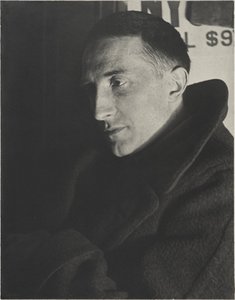
1887 - 1968 , فرنسا


ابقَ على اطلاع بأحدث أخبار الفن، والعروض الحصرية، وأفكار الديكور.
أخبرنا عن مشروعك، وسيقدم لك خبراؤنا الفنيون 3 اقتراحات فنية مخصصة لك.
دعنا نختار لك ٣ خيارات مخصصة تماماً - مجاناً!


 معاينة الحجم الحقيقي
 مشاركة
 مشاركة
 التفاصيل

 تحميل الملف
 قطع مشابهة
 الأشعة السينية
 عرض شرائح
 عرض المزيد