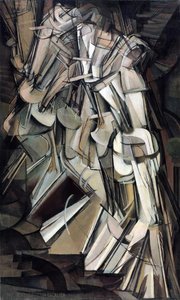
لوحة زيتية مرسومة يدوياً على الكانفاس بالمقاس والإطار الذي تفضله، تُنفذ حسب الطلب على أيدي فنانينا. ( اشترِ نسخة مطبوعة اشترِ الصورة)





























اختر من بين أحجامنا المُعدّة مسبقًا والتي تتطابق مع النسب الأصلية للعمل الفني.

يمكنك إدخال أبعادك الخاصة لتناسب إطارًا معينًا أو مساحة محددة. وإذا لم يتطابق الحجم الذي اخترته مع نسب الصورة الأصلية، فسنقوم إما بقص العمل الفني أو توسيع اللوحة بإضافة عناصر مرسومة يدويًا. سيتم إرسال نموذج رقمي إليك للموافقة عليه قبل بدء الإنتاج.
يرجى ملاحظة أن المعاينة على الشاشة لا تعكس عملية القص أو التوسيع الفعلية؛ حيث إن النموذج الرقمي وحده هو الذي سيوضح التكوين النهائي بدقة.
وعلى الرغم من توفر أحجام مخصصة، إلا أننا نوصي باختيار أبعاد من القائمة المحددة مسبقًا للحفاظ على النسب الأصلية للعمل الفني.
توصيل عالمي إلى خلال 3 إلى 4 أسابيع بدلاً من المدة المعتادة البالغة 5 أسابيع. (17 أغسطس). جودة لا تهاون فيها.


Pulled at Four Pins
مقاس النسخة المطبوعة
Marcel Duchamp's “Pulled at Four Pins,” created in 1964, isn’t merely a drawing; it’s a deliberate provocation—a cornerstone of Conceptual Art and a testament to the artist’s unwavering challenge of artistic conventions. This seemingly simple piece, executed on pale cream Magnani-wove paper with pencil or charcoal, embodies Duchamp's core philosophy: elevating commonplace objects to the realm of art through conceptual intervention.
The artwork’s composition centers around a cylindrical metal bucket—a readily available item transformed into an artistic statement. Lines dominate the visual language, varying in weight and thickness to convey spontaneity and expressive gesture rather than meticulous accuracy. Duchamp's technique reflects this approach; he eschewed traditional rendering methods, prioritizing conceptual thought over technical skill. The resulting texture is that of paper itself, subtly grained, hinting at the immediacy of the artist’s process.
“Pulled at Four Pins” exemplifies Duchamp's embrace of the readymade concept—a radical notion championed by Dada artists that questioned the very definition of art. As Tomkins eloquently describes, “This was what Duchamp liked about it - the words, making no sense and having no relation to the visual image, could lead the mind in unpredictable directions.” The title itself is deliberately ambiguous, referencing both the literal act of pulling pins and a broader exploration of complexity—a preoccupation evident throughout Duchamp’s oeuvre.
Duchamp’s work emerged from the turbulent milieu of Dadaism, an anti-establishment movement born in Zurich during World War I. Dada artists rejected logic and reason, embracing absurdity and chance as artistic tools—a reaction to the horrors of the conflict and a critique of bourgeois values. “Pulled at Four Pins” aligns perfectly with this spirit of rebellion, mirroring Duchamp’s broader ambition to dismantle accepted artistic hierarchies.
"Pulled at Four Pins" stands as an enduring symbol of Duchamp's groundbreaking contribution to art history. Its understated execution belies its profound philosophical implications—a reminder that true artistry resides not in skillful representation but in questioning fundamental assumptions about creativity and beauty. This artwork continues to inspire artists and collectors alike, prompting contemplation on the role of intention and the transformative power of conceptual thought.

1887 - 1968 , فرنسا

Explore the revolutionary art of Marcel Duchamp! Discover how his Dadaist readymades challenged artistic conventions & redefined modern art. A deep dive into 'Fountain', conceptual shifts, and his lasting impact.

Explore the revolutionary Dada art movement! Discover its origins, key artists like Duchamp & Arp, and lasting impact on modern art. A deep dive into anti-art & challenging conventions.

Journey through 10 legendary etching masterpieces by Rembrandt, Dürer & Goya. Explore the history of printmaking and discover timeless art for your home. Find museum-quality reproductions at BuyPopArt.com.

Explore the rich history of aesthetic theory & formal analysis in art. Discover key movements, artists like Dali & Raphael, and learn to build a discerning collection with BuyPopArt.

Explore the revolutionary Dada art movement! Discover its origins in WWI, key artists like Duchamp & Höch, core principles, and lasting impact on modern and contemporary art. A comprehensive guide for enthusiasts.


ابقَ على اطلاع بأحدث أخبار الفن، والعروض الحصرية، وأفكار الديكور.
أخبرنا عن مشروعك، وسيقدم لك خبراؤنا الفنيون 3 اقتراحات فنية مخصصة لك.
دعنا نختار لك ٣ خيارات مخصصة تماماً - مجاناً!


 معاينة الحجم الحقيقي
 مشاركة
 مشاركة
 التفاصيل

 تحميل الملف
 قطع مشابهة
 الأشعة السينية
 عرض شرائح
 عرض المزيد







 خيار الزجاج متاح فقط للمقاسات التي تقل عن 110 سم