

طباعة جيكلي أو كانفاس بجودة المتاحف، مع سرعة في التنفيذ وخيارات متنوعة للتشطيب. ( اشترِ لوحة مرسومة يدويًا اشترِ الصورة)
اختر من بين أحجامنا المُعدّة مسبقًا والتي تتطابق مع النسب الأصلية للعمل الفني.

يمكنك إدخال أبعادك الخاصة لتناسب إطاراً أو مساحة معينة. وإذا لم يتطابق الحجم الذي اخترته مع نسب الصورة الأصلية، فسنقوم إما بقص العمل الفني أو تمديد الصورة باستخدام حافة معكوسة أو بلون مصمت. سيتم إرسال نموذج تجريبي رقمي لاعتمادك قبل بدء الإنتاج.
يرجى ملاحظة أن المعاينة على الشاشة لا تعكس عملية القص أو التمديد الفعلية؛ حيث سيوضح النموذج التجريبي فقط التكوين النهائي بدقة.
وعلى الرغم من توفر أحجام مخصصة، إلا أننا نوصي باختيار أبعاد من القائمة المحددة مسبقاً للحفاظ على النسب الأصلية.
توصيل عالمي إلى خلال أسبوعين بدلاً من المدة القياسية البالغة 4/5 أسابيع. 24 أغسطس


Street Scene
مقاس النسخة المطبوعة
In the quiet, brooding depths of Mark Rothko’s “Street Scene,” painted circa 1937, we encounter a world that feels both intimately familiar and hauntingly distant. Long before he became the master of color field abstraction, Rothko utilized a more figurative language to explore the heavy, existential weight of urban existence. The composition presents us with three figures huddled together on a curving staircase, positioned beside a monumental architectural element that looms over them like an indifferent titan. There is a profound sense of vulnerability in their posture; they seem to seek warmth and connection within the cold, geometric shadows of a city that offers little refuge. This piece does not merely depict a moment in time; it captures the very essence of human isolation amidst the overwhelming scale of modern progress.
The stylistic DNA of this work reveals a fascinating intersection of Expressionism and early Cubist fragmentation. Drawing inspiration from the raw emotionality of Edvard Munch and the distorted psychological landscapes of Oskar Kokoschka, Rothko employs a technique that prioritizes feeling over photographic accuracy. The architectural forms—the balcony panels and the massive column base—are rendered with simplified, geometric shapes that suggest a world breaking apart under the pressure of modernity. This deliberate distortion creates a sense of unease and disorientation, pulling the viewer into a space where the boundaries between the physical structure and the emotional state of the subjects begin to blur.
To touch this painting with one's eyes is to experience a remarkable tactile depth. Rothko’s technique in this period was characterized by a thick impasto, where layers of oil paint were applied with a heavy, deliberate hand. This creates a rugged, palpable surface that catches the light and casts its own micro-shadows, adding a physical dimension to the melancholic atmosphere. The palette is masterfully subdued, eschewing bright distractions for a somber arrangement of smoky mauve, ice blue, and pale gray. These muted tones work in harmony to generate a sense of twilight or perhaps an eternal dusk, amplifying the painting's inherent sadness and reflective stillness.
For the discerning collector or interior designer, "Street Scene" offers more than just visual interest; it provides a profound emotional anchor for a space. The stark contrast between the dark, solid foreground structures and the lighter, more amorphous figures in the background creates a dramatic tension that commands attention without overwhelming its surroundings. It is a piece that invites long periods of contemplation, making it an ideal centerpiece for a gallery-style study or a sophisticated living area where one seeks to evoke themes of introspection and quiet strength. Owning a high-quality reproduction of this masterpiece allows one to bring the heavy, beautiful gravity of Rothko’s early vision into the modern home, serving as a constant reminder of the enduring human search for meaning within the vast, complex structures of our world.
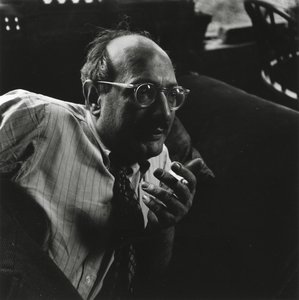
1903 - 1970 , لاتفيا

Dive into the high-voltage world of Abstract Expressionism. Explore the raw energy of Action Painting and the legendary masters of the New York School through a visual journey of pure chaos and color. Discover how to bring bold, high-impact abstract art into your modern space.

Master the high-impact world of contemporary abstraction. Discover how bold colors, textures, and modern movements like Abstract Expressionism can transform your space with premium, high-energy art curated for the design-conscious professional.

Dive into the raw power of Abstract Expressionism. Explore the high-octane energy of action painting and color field mastery. Discover how these bold, visceral movements redefine modern interiors with high-impact, premium abstract art for the contemporary collector.

Master the power of Color Field painting. Discover how bold, immersive color transforms modern spaces through this expert guide to one of art's most impactful movements. Elevate your interior design with high-impact, contemporary abstract aesthetics.


ابقَ على اطلاع بأحدث أخبار الفن، والعروض الحصرية، وأفكار الديكور.
أخبرنا عن مشروعك، وسيقدم لك خبراؤنا الفنيون 3 اقتراحات فنية مخصصة لك.
دعنا نختار لك ٣ خيارات مخصصة تماماً - مجاناً!


 معاينة الحجم الحقيقي
 مشاركة
 مشاركة
 التفاصيل

 تحميل الملف
 قطع مشابهة
 الأشعة السينية
 عرض شرائح

 عرض المزيد




































 خيار الزجاج متاح فقط للمقاسات التي تقل عن 110 سم


