


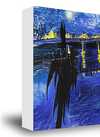
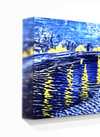
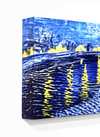
لوحة زيتية مرسومة يدوياً على الكانفاس بالمقاس والإطار الذي تفضله، تُنفذ حسب الطلب على أيدي فنانينا. ( التحويل للنسخة المطبوعة التبديل إلى الصورة)
اختر من بين أحجامنا المُعدّة مسبقًا والتي تتطابق مع النسب الأصلية للعمل الفني.

يمكنك إدخال أبعادك الخاصة لتناسب إطارًا معينًا أو مساحة محددة. وإذا لم يتطابق الحجم الذي اخترته مع نسب الصورة الأصلية، فسنقوم إما بقص العمل الفني أو توسيع اللوحة بإضافة عناصر مرسومة يدويًا. سيتم إرسال نموذج رقمي إليك للموافقة عليه قبل بدء الإنتاج.
يرجى ملاحظة أن المعاينة على الشاشة لا تعكس عملية القص أو التوسيع الفعلية؛ حيث إن النموذج الرقمي وحده هو الذي سيوضح التكوين النهائي بدقة.
وعلى الرغم من توفر أحجام مخصصة، إلا أننا نوصي باختيار أبعاد من القائمة المحددة مسبقًا للحفاظ على النسب الأصلية للعمل الفني.
توصيل عالمي إلى خلال 3 إلى 4 أسابيع بدلاً من المدة المعتادة البالغة 5 أسابيع. (4 أغسطس). جودة لا تهاون فيها.


Spring (Flora)
مقاس النسخة المطبوعة
In the vibrant, tumultuous heart of 17th-century Rome, a painter emerged who could capture not just the grandeur of history, but the raw, kinetic energy of movement itself. Michelangelo Cerquozzi, affectionately remembered by history as Michelangelo delle Battaglie—Michelangelo of the Battles—was a virtuoso of the Italian Baroque. Born in 1602 to a prosperous Roman family, Cerquozzi was destined for a life steeped in the cultural richness of his city. His journey into the world of fine art began at the tender age of twelve, when he entered the studio of Giuseppe Cesari. This apprenticeship placed him within a lineage of profound importance, as Cesari’s studio was the very same space where the legendary Caravaggio had once honed his transformative skills. It was in this atmosphere of dramatic light and shadow that Cerquozzi first learned to observe the world.
As his talent matured, Cerquozzi became a pivotal figure in a unique artistic movement known as the Bamboccianti. This group of painters, largely comprised of Flemish and Dutch artists active in Rome, sought to move away from the idealized, lofty subjects of high Renaissance art in favor of something far more intimate and grounded. They turned their brushes toward the everyday lives of the lower classes—the peasants, travelers, and laborers inhabiting the Roman countryside. Cerquiozzi embraced this spirit with remarkable fervor. His genre scenes are masterclasses in narrative intimacy, capturing the unvarnished reality of street life and rural landscapes with a delicate touch that feels both spontaneous and deeply observed.
The brilliance of Cerquozzi’s technique lies in his ability to synthesize the meticulous detail of Northern European realism with the dramatic flair of the Italian Baroque. His early years were marked by a profound connection to the Dutch and Flemish masters residing in Rome. He lived and worked alongside figures such as Jacob de Hase, a specialist in battle scenes, and the Dutch painters Paulus Bor and Jan Harmansz. These associations were not merely social; they were transformative. From these masters, he inherited a fascination with texture, light, and the precise rendering of small-scale details that define the "cabinet painting" style—works designed for the private contemplation of sophisticated collectors.
This influence is most evident in his celebrated battle paintings. Unlike the sweeping, epic compositions of history painters who focused on political triumphs, Cerquozzi’s battles often feel visceral and immediate. He captures the dust rising from galloping hooves, the glint of steel, and the chaotic, swirling motion of cavalry engagements. Yet, even within these scenes of conflict, there is a profound sense of composition and balance. His ability to manage large numbers of figures without losing the clarity of the central action earned him his enduring nickname and solidified his reputation as one of the premier battle painters of the first half of the 17th century.
Beyond the smoke of the battlefield, Cerquozzi demonstrated a remarkable breadth of skill that allowed him to navigate various genres with ease. He was an accomplished still-life painter, often imitating the exquisite precision of Pietro Paolo Bonzi. In these works, he displayed a sensitive command over the depiction of organic forms, textures, and the play of light on inanimate objects, bringing a sense of quiet dignity to the simplest of subjects. His repertoire also extended into the realm of mythological and religious works, though it was in the depiction of the "lowly" and the "everyday" where his soul truly resided.
Cerquozzi’s professional standing was formally recognized when he joined the Accademia di San Luca in 1634. While he remained a member for nearly two decades, he famously resisted the strict academic decorum that demanded a certain level of idealized nobility in art. He preferred the grit and truth of the Roman streets. This rebellious spirit—a commitment to realism over artifice—is what makes his work so enduringly modern. When he passed away in 1660, he left behind a legacy that bridged the gap between the high drama of the Baroque and the intimate realism of Northern genre painting, ensuring that the humble scenes of Roman life would be immortalized through his brush.

1602 - 1660 , Italy

Elevate your interiors with impactful statement walls! Expert guide on scaling artwork for perfect proportions & design harmony. Custom solutions & free consultations at BuyPopArt.

Explore the captivating history of mythological narratives in Western art! From ancient Greece to modern masterpieces, discover iconic artworks & symbolism. Expert analysis and high-quality reproductions at BuyPopArt.

Journey through art history with our guide to 10 legendary oil on canvas masterpieces! Explore iconic works by Van Gogh, Monet & Rembrandt. Find museum-quality reproductions and elevate your home decor at . Discover all masterpieces online.

Discover the exquisite detail of Jan van Kessel the Elder's Baroque floral still lifes & captivating miniatures. Explore his artistic legacy, scientific precision, and lasting influence on 17th-century Flemish painting.

اكتشف أروع 25 لوحة لرافائيل، فنان عصر النهضة العظيم. استمتع بقصص ملهمة وتقنيات فنية رائعة في عالم الفن الإيطالي الكلاسيكي. احصل على نسخ عالية الجودة من تحف رافائيل لتزيين منزلك بجمال لا يضاهى. اكتشف المجموعة الكاملة الآن على BuyPopArt.com!


ابقَ على اطلاع بأحدث أخبار الفن، والعروض الحصرية، وأفكار الديكور.
أخبرنا عن مشروعك، وسيقدم لك خبراؤنا الفنيون 3 اقتراحات فنية مخصصة لك.
دعنا نختار لك ٣ خيارات مخصصة تماماً - مجاناً!


 معاينة الحجم الحقيقي
 مشاركة
 مشاركة
 التفاصيل

 تحميل الملف
 قطع مشابهة
 الأشعة السينية
 عرض شرائح
 عرض المزيد
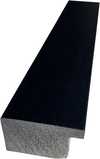
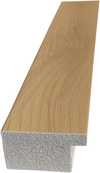
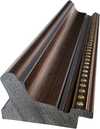
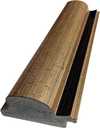
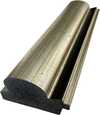
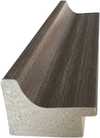
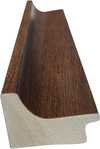
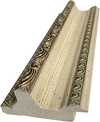
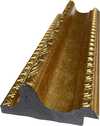
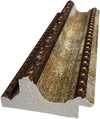
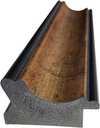
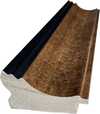
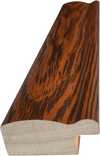
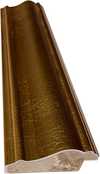
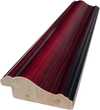
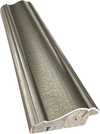
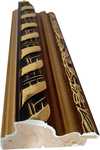
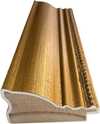
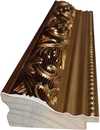
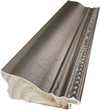
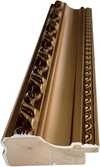
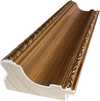
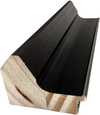
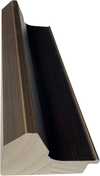
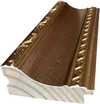
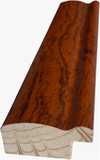
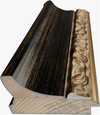
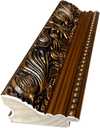
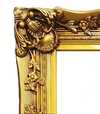
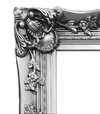
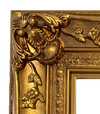
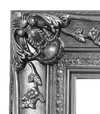
 خيار الزجاج متاح فقط للمقاسات التي تقل عن 110 سم


