

 زيت على قماشلوحات جداريةما بعد الانطباعية
 1890القرن التاسع عشر
 65.0 x 81.0 cm
 المعرض الوطني
طباعة جيكلي أو كانفاس بجودة المتاحف، مع سرعة في التنفيذ وخيارات متنوعة للتشطيب. ( اشترِ لوحة مرسومة يدويًا اشترِ الصورة)





























اختر من بين أحجامنا المُعدّة مسبقًا والتي تتطابق مع النسب الأصلية للعمل الفني.

يمكنك إدخال أبعادك الخاصة لتناسب إطاراً أو مساحة معينة. وإذا لم يتطابق الحجم الذي اخترته مع نسب الصورة الأصلية، فسنقوم إما بقص العمل الفني أو تمديد الصورة باستخدام حافة معكوسة أو بلون مصمت. سيتم إرسال نموذج تجريبي رقمي لاعتمادك قبل بدء الإنتاج.
يرجى ملاحظة أن المعاينة على الشاشة لا تعكس عملية القص أو التمديد الفعلية؛ حيث سيوضح النموذج التجريبي فقط التكوين النهائي بدقة.
وعلى الرغم من توفر أحجام مخصصة، إلا أننا نوصي باختيار أبعاد من القائمة المحددة مسبقاً للحفاظ على النسب الأصلية.
توصيل عالمي إلى خلال أسبوعين بدلاً من المدة القياسية البالغة 4/5 أسابيع. 22 أغسطس


جبال في بروفانس
مقاس النسخة المطبوعة
Paul Cézanne's "Mountains in Provence," painted in 1890, is more than just a landscape; it’s a pivotal work demonstrating his transition from Impressionism towards the revolutionary style that would heavily influence Cubism. This oil on canvas, residing within the esteemed National Gallery in London (measuring 65 x 81 cm), encapsulates Cézanne's unique approach to representing nature – one rooted in observation and structured analysis.
The painting depicts a serene hillside scene characteristic of Provence. The foreground features trees, rendered with Cézanne’s signature brushstrokes, while a prominent rock wall adds texture and depth. A small village nestled in the distance provides context and a sense of scale. Rather than striving for photographic realism, Cézanne organizes these elements into geometric planes, creating a composition that feels both naturalistic and deliberately constructed. The horizontal lines defining the landforms contribute to a feeling of expansive tranquility.
Cézanne’s artistic style in "Mountains in Provence" is defined by his meticulous study of form and his innovative use of color. He employed repetitive, exploratory brushstrokes – not to capture fleeting impressions like the Impressionists, but to build up complex fields of color that define volume and structure. Notice how he uses planes of color—varying shades of green, brown, yellow, and touches of blue—to represent the rocks and trees. These aren't blended smoothly; instead, they are applied in small, distinct strokes, creating a textured surface and contributing to the painting’s overall sense of solidity. This technique foreshadows his later explorations into geometric abstraction.
“Mountains in Provence” emerged during a period of significant artistic change. Cézanne was moving away from the fleeting effects of light championed by Impressionism, seeking instead to understand the underlying structure of nature. His work served as a crucial bridge between late 19th-century Impressionism and early 20th-century Cubism. Artists like Camille Pissarro recognized his genius early on, and Ambroise Vollard became a key supporter, showcasing Cézanne’s work in his Paris gallery. While initially met with incomprehension, Cézanne's innovative approach profoundly influenced subsequent generations of artists who sought to deconstruct and reassemble the visual world.
While seemingly tranquil, "Mountains in Provence" evokes a sense of quiet contemplation and enduring strength. The painting isn’t about capturing a specific moment; it's about conveying Cézanne’s deep understanding of the landscape and his ability to translate that understanding into a visual language that transcends mere representation. The work stands as a testament to Cézanne’s pioneering spirit and his lasting impact on modern art, solidifying his place as one of history’s most influential artists.
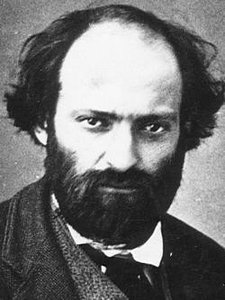
1839 - 1906 , فرنسا

Explore the profound evolution of art from Impressionism to Post-Impressionism. Discover how masters like Van Gogh revolutionized color and emotion, shaping modern art history through structural innovation and expressive technique.


ابقَ على اطلاع بأحدث أخبار الفن، والعروض الحصرية، وأفكار الديكور.
أخبرنا عن مشروعك، وسيقدم لك خبراؤنا الفنيون 3 اقتراحات فنية مخصصة لك.
دعنا نختار لك ٣ خيارات مخصصة تماماً - مجاناً!


 معاينة الحجم الحقيقي
 مشاركة
 مشاركة
 التفاصيل

 تحميل الملف
 قطع مشابهة
 الأشعة السينية
 عرض شرائح
 عرض المزيد







 خيار الزجاج متاح فقط للمقاسات التي تقل عن 110 سم


