


طباعة جيكلي أو كانفاس بجودة المتاحف، مع سرعة في التنفيذ وخيارات متنوعة للتشطيب. ( التحويل إلى لوحة مرسومة يدوياً التبديل إلى الصورة)
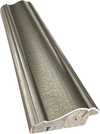
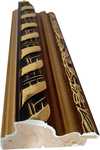
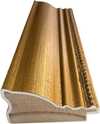
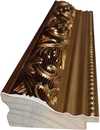
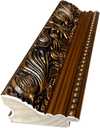
اختر من بين أحجامنا المُعدّة مسبقًا والتي تتطابق مع النسب الأصلية للعمل الفني.

يمكنك إدخال أبعادك الخاصة لتناسب إطاراً أو مساحة معينة. وإذا لم يتطابق الحجم الذي اخترته مع نسب الصورة الأصلية، فسنقوم إما بقص العمل الفني أو تمديد الصورة باستخدام حافة معكوسة أو بلون مصمت. سيتم إرسال نموذج تجريبي رقمي لاعتمادك قبل بدء الإنتاج.
يرجى ملاحظة أن المعاينة على الشاشة لا تعكس عملية القص أو التمديد الفعلية؛ حيث سيوضح النموذج التجريبي فقط التكوين النهائي بدقة.
وعلى الرغم من توفر أحجام مخصصة، إلا أننا نوصي باختيار أبعاد من القائمة المحددة مسبقاً للحفاظ على النسب الأصلية.
توصيل عالمي إلى خلال أسبوعين بدلاً من المدة القياسية البالغة 4/5 أسابيع. 4 أغسطس


La prairie
مقاس النسخة المطبوعة
Paulus Potter’s “La Prairie,” painted circa 1652, stands as an iconic exemplar of the Dutch Golden Age's fascination with the natural world and its masterful depiction of rural life. More than just a landscape scene—it’s a carefully constructed meditation on beauty, tranquility, and the harmonious relationship between humanity and nature, themes deeply resonant within the artistic sensibilities of the era.
The painting captures a serene meadow populated by cows grazing peacefully beneath a cloudy sky. Potter's meticulous observation is evident in every detail—the subtle variations in grass color, the texture of bark on the dominant tree, and the realistic rendering of bovine anatomy. This dedication to realism distinguishes “La Prairie” from earlier artistic conventions and firmly establishes it as a cornerstone of Romanticism’s burgeoning influence.
Beyond its aesthetic beauty, “La Prairie” carries symbolic weight. The cows represent domesticity and prosperity – symbols central to Dutch society during Potter's time. Simultaneously, the overcast sky evokes a sense of contemplative melancholy—a subtle suggestion that even in idyllic landscapes, life is punctuated by moments of quiet reflection. This duality underscores Potter’s profound understanding of human emotion and his ability to translate it into visual form.
The painting’s enduring appeal lies not only in its technical brilliance but also in its timeless portrayal of pastoral serenity. It serves as a poignant reminder of the beauty found in simplicity and the importance of appreciating the natural world—a sentiment that continues to inspire artists and collectors alike. Its inclusion in the Louvre Museum's collection ensures its legacy as one of the most celebrated landscapes of the Dutch Golden Age.

1625 - 1654

Explore the captivating world of Nicolaes Berchem, a leading Dutch Golden Age painter. Discover his idyllic landscapes, masterful technique & lasting influence on art history. Learn more at BuyPopArt.

اكتشف روائع العصر الذهبي الهولندي! استكشف 10 لوحات خالدة لرامبرانت، فيرمير وغيرهم. فن هولندي باروكي، ألوان آسرة وقصص فنية لا تُنسى. احصل على إعادة إنتاج عالية الجودة وتحف فنية لديكور منزلك مع BuyPopArt.com

Transform your cherished travel photos into timeless oil paintings with expert artists at BuyPopArt.com. Museum-quality reproductions & custom portraits – preserve your memories beautifully.

Explore the dramatic world of Spanish Baroque art! Discover masters like Zurbarán & the powerful influence of religious zeal on painting techniques – a guide for collectors and enthusiasts.

Explore the Dutch Golden Age of painting! Discover key artists like Vermeer & ter Borch, their innovative techniques, and the rich cultural context behind these Baroque masterpieces. Learn about collecting & appreciating this iconic art period.


ابقَ على اطلاع بأحدث أخبار الفن، والعروض الحصرية، وأفكار الديكور.
أخبرنا عن مشروعك، وسيقدم لك خبراؤنا الفنيون 3 اقتراحات فنية مخصصة لك.
دعنا نختار لك ٣ خيارات مخصصة تماماً - مجاناً!


 معاينة الحجم الحقيقي
 مشاركة
 مشاركة
 التفاصيل

 تحميل الملف
 قطع مشابهة
 الأشعة السينية
 عرض شرائح

 عرض المزيد
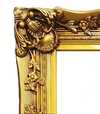
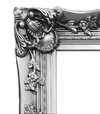
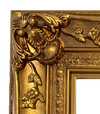
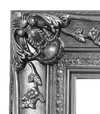
 خيار الزجاج متاح فقط للمقاسات التي تقل عن 110 سم


