طباعة جيكلي أو كانفاس بجودة المتاحف، مع سرعة في التنفيذ وخيارات متنوعة للتشطيب. ( التحويل إلى لوحة مرسومة يدوياً التبديل إلى الصورة)





























اختر من بين أحجامنا المُعدّة مسبقًا والتي تتطابق مع النسب الأصلية للعمل الفني.

يمكنك إدخال أبعادك الخاصة لتناسب إطاراً أو مساحة معينة. وإذا لم يتطابق الحجم الذي اخترته مع نسب الصورة الأصلية، فسنقوم إما بقص العمل الفني أو تمديد الصورة باستخدام حافة معكوسة أو بلون مصمت. سيتم إرسال نموذج تجريبي رقمي لاعتمادك قبل بدء الإنتاج.
يرجى ملاحظة أن المعاينة على الشاشة لا تعكس عملية القص أو التمديد الفعلية؛ حيث سيوضح النموذج التجريبي فقط التكوين النهائي بدقة.
وعلى الرغم من توفر أحجام مخصصة، إلا أننا نوصي باختيار أبعاد من القائمة المحددة مسبقاً للحفاظ على النسب الأصلية.
توصيل عالمي إلى خلال أسبوعين بدلاً من المدة القياسية البالغة 4/5 أسابيع. 5 أغسطس


Popeye
مقاس النسخة المطبوعة
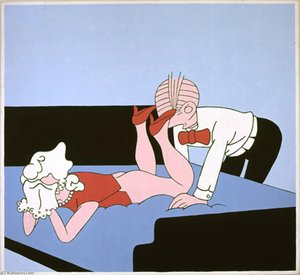
Roy Lichtenstein’s 1961 painting, “Popeye,” is more than just a depiction of comic book characters; it’s a vibrant explosion of Pop Art’s core tenets – a deliberate engagement with mass culture, an exploration of scale and color, and a masterful manipulation of the techniques borrowed from commercial illustration. This dynamic scene, featuring the iconic spinach-fueled sailor battling a rotund adversary, immediately grabs the viewer's attention with its bold, unapologetic palette and meticulously rendered Ben-Day dots, hallmarks of Lichtenstein’s signature style. The painting’s energy is palpable, capturing a moment of intense action that feels both familiar and strangely detached, reflecting the anxieties and exuberance of the 1960s.
Born in Manhattan in 1923, Roy Fox Lichtenstein’s artistic trajectory was shaped by a unique confluence of influences. His upbringing within an affluent Jewish family exposed him to the cultural richness of New York City and fostered a deep appreciation for art and music – particularly jazz. This early exposure, combined with his formal training at the Art Students League under Reginald Marsh and subsequent studies at Ohio State University, provided him with the foundational skills necessary to later revolutionize the art world. Lichtenstein’s decision to embrace comic book imagery wasn't merely a stylistic choice; it was a deliberate critique of high art traditions, challenging the notion that art had to be serious or emotionally profound.
Beyond its immediate visual impact, “Popeye” is rich in symbolic meaning. The violent confrontation between the two figures speaks to themes of power, aggression, and perhaps even vulnerability. The scattered bowling pins – a common motif in Lichtenstein’s work – add another layer of complexity, suggesting chaos and disruption. The bottle can, strategically placed, subtly references the character's defining characteristic: spinach. The painting’s composition, with its dynamic lines and exaggerated perspective, further amplifies the sense of action and drama. It is a carefully constructed narrative, drawing on the inherent storytelling power of comic books while simultaneously elevating them to the status of fine art.
Created in 1961, “Popeye” emerged during a period of significant social and cultural change in America. The rise of mass media, particularly television and comic books, was transforming American society, and Lichtenstein’s work reflected this shift. The painting's bold colors and graphic style resonated with the optimism and energy of the era, while also hinting at underlying anxieties about consumerism and the erosion of traditional values. “Popeye” continues to captivate viewers today because it taps into our shared fascination with iconic characters and the enduring power of visual storytelling. Its vibrant energy and meticulous execution make it a compelling addition to any collection, offering a fascinating glimpse into the mind of one of Pop Art’s most influential figures.
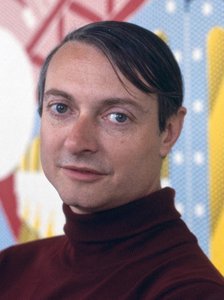
1923 - 1997 , الولايات المتحدة الأمريكية
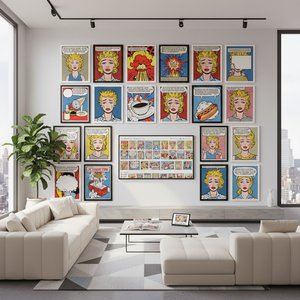
اكتشف 25 تحفة فنية لروي ليختنشتاين، رائد فن البوب. استكشف قصص لوحاته الشهيرة وألوانها الجريئة وتقنياته الفريدة. احصل على إعادة إنتاج عالية الجودة لديكور منزلك الفاخر على BuyPopArt.
اكتشف أروع 25 تحفة فنية في متحف المتروبوليتان، نيويورك! قصص ليوناردو دا فينشي وفان جوخ وبيكاسو وأكثر. لوحات كلاسيكية ومعاصرة لإلهام ديكور منزلك. تسوق إعادة إنتاج اللوحات عالية الجودة على BuyPopArt.com.
اكتشف أروع 25 لوحة فنية في متحف موما بنيويورك! استكشف قصص فان جوخ, بيكاسو, وارهول وأكثر. روائع انطباعية وتعبيرية لتصميم داخلي فاخر. احصل على إعادة إنتاج عالية الجودة الآن على BuyPopArt.com
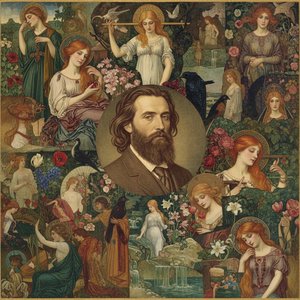
اكتشف 25 تحفة فنية آسرة لدانتي غابرييل روسيتي، رائد حركة ما قبل الرفائيلية. استكشف قصص لوحاته الرومانسية ورمزيته العميقة وألوانه الزيتية الخالدة. أضف لمسة فنية راقية لمنزلك مع BuyPopArt.com.
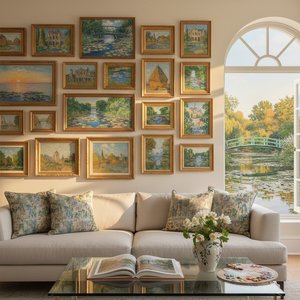
اكتشف 25 تحفة فنية لكلود مونيه، رائد الانطباعية. استكشف قصص لوحاته الخالدة وتقنياته الفريدة وألوانه الساحرة. احصل على نسخ عالية الجودة لديكور منزلك الفاخر على BuyPopArt.com


ابقَ على اطلاع بأحدث أخبار الفن، والعروض الحصرية، وأفكار الديكور.
أخبرنا عن مشروعك، وسيقدم لك خبراؤنا الفنيون 3 اقتراحات فنية مخصصة لك.
دعنا نختار لك ٣ خيارات مخصصة تماماً - مجاناً!


 معاينة الحجم الحقيقي
 مشاركة
 مشاركة
 التفاصيل

 تحميل الملف
 قطع مشابهة
 الأشعة السينية
 عرض شرائح

 عرض المزيد







 خيار الزجاج متاح فقط للمقاسات التي تقل عن 110 سم