

 Acrylic On CanvasWallArtContemporary Realism
 1965
1965 29.0 x 21.0 cm
 مؤسسة سيرالفس
احصل على صورة رقمية عالية الدقة ومعزّنة، بجودة تفوق بكثير المعاينة عبر الإنترنت.
يتم إعداد كل ملف بعناية فائقة من قبل متخصصينا الداخليين باستخدام أدوات متقدمة ولمسات يدوية خبيرة. نضمن أن تتمتع كل صورة بوضوح استثنائي، ودقة لونية متناهية، وتفاصيل دقيقة.
يتم تسليم الملف النهائي عبر البريد الإلكتروني في غضون 72 ساعة، وهو مُحسَّن للاستخدام الفوري في المجالات المهنية والتحريرية ومجالات الطباعة. هذه هي ذات الجودة التي تعتمد عليها كبرى استوديوهات التصميم ودور النشر والمعارض الفنية المرموقة.
حمّل ملفاً عالي الدقة للعرض الشخصي، والطباعة، والمشاريع الإبداعية. ( اشترِ نسخة مطبوعة اشترِ لوحة مرسومة يدويًا)
عندما تختار BuyPopArt.com، فأنت لا تحصل على مجرد صورة فحسب، بل ستحصل على عمل فني رقمي مُحسّن باحترافية، صُمم بدقة متناهية ومصحوب بضمان الرضا. إليك كل ما يتضمنه طلبك تلقائياً:

ستصلك ملفات صورك الرقمية عالية الدقة عبر البريد الإلكتروني في غضون 72 ساعة من إتمام الطلب - لتكون جاهزة للاستخدام الفوري.

يتم تحسين عملك الفني باحترافية باستخدام أدوات الذكاء الاصطناعي المتقدمة والتحرير اليدوي، لضمان أقصى درجات التفاصيل والوضوح ودقة الألوان.

هل حذفت ملفك أو فقدته عن طريق الخطأ؟ لا تقلق - سنعيد إرساله إليك في أي وقت، ومجاناً.

استمتع بأعمالك الفنية فوراً دون أي رسوم جمركية أو ضرائب أو مصاريف شحن - فالتحميلات الرقمية دائماً ما تكون معفاة من الضرائب.

نحن نضمن أن تعكس صورتك الرقمية الألوان الأصلية بأقصى قدر ممكن من الدقة، وذلك باستخدام أدوات احترافية وتقنيات إدارة الألوان.

إذا لم تكن راضياً عن صورتك الرقمية، فسنقوم بتعديلها أو استرداد 100% من قيمتها خلال 60 يوماً - دون أي أسئلة.

لم تكن راضياً؟ احصل على استرداد كامل المبلغ خلال 60 يومًا من استلام ملفك الرقمي - دون أي أسئلة.

اشتري 3 صور، ووفر 10% - اشتري 5، ووفر 15% - اشتري +10، ووفر 20%. مثالية للمشاريع الإبداعية، والمعارض، والوكالات.
Sigmar Polke’s “Sem título,” created in 1968, stands as an arresting testament to the burgeoning aesthetic of capitalist realism—a movement that sought to depict everyday life with unflinching honesty, mirroring the visual language of advertising and documentary filmmaking. More than just a photographic collage, it's a carefully constructed puzzle designed to challenge our assumptions about how we perceive the world around us.
The artwork itself comprises a grid of black and white photographs meticulously arranged on canvas. Each image depicts seemingly banal objects—a lemon, a pear, a piece of fruit—presented in starkly lit studio conditions. These aren’t idealized representations; they are rendered with a deliberate lack of polish, capturing the subtle imperfections inherent in natural forms. This technique deliberately rejects the romanticism prevalent in earlier artistic movements and embraces instead the cold precision demanded by the emerging economic order.
Polke’s masterful manipulation of photographic emulsion is crucial to understanding the piece's impact. He employed a process known as “photogram,” where he placed objects directly onto photographic paper coated with light-sensitive chemicals—without any camera involved. This method captures an imprint of the object’s surface texture and tonal variations, resulting in images that appear almost ghostly, devoid of traditional perspective or depth.
The choice of black and white contributes significantly to the artwork's mood. It eliminates color distractions, forcing viewers to focus on form and texture—elements Polke skillfully exploits to convey a sense of quiet contemplation. The canvas itself is treated with a matte varnish, further diffusing light and enhancing the subtle nuances of grayscale.
“Sem título” emerged during a period of profound societal transformation in Germany following the Second World War. Capitalism was rapidly gaining dominance, reshaping cultural landscapes and influencing artistic sensibilities. Polke’s work directly confronts this shift by presenting familiar subjects—fruit—in a manner that simultaneously celebrates and interrogates their materiality. It's a subtle critique of consumer culture, questioning whether we truly see what is before us or if our perceptions are shaped by preconceived notions.
The grid format reinforces this conceptual framework. By juxtaposing multiple images side-by-side, Polke disrupts any easy narrative flow and compels the viewer to actively engage in interpreting the visual information presented. This deliberate fragmentation mirrors the complexities of modern experience—the way in which our understanding of reality is constantly mediated by external forces.
Despite its intellectual rigor, “Sem título” possesses a remarkable emotional resonance. The stillness of the images—captured without movement—invites viewers to slow down and consider their own gaze. There’s an unspoken invitation to observe closely, to appreciate the subtle beauty hidden within seemingly ordinary objects.
Ultimately, Polke's “Sem título” transcends mere representation; it becomes a meditation on perception itself. It reminds us that what we see is not simply what exists but rather how our minds interpret and process sensory input—a profound statement about the human condition that continues to resonate with audiences today.
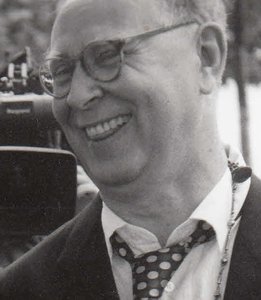
1941 - 2010 , بولندا


ابقَ على اطلاع بأحدث أخبار الفن، والعروض الحصرية، وأفكار الديكور.
أخبرنا عن مشروعك، وسيقدم لك خبراؤنا الفنيون 3 اقتراحات فنية مخصصة لك.
دعنا نختار لك ٣ خيارات مخصصة تماماً - مجاناً!


 معاينة الحجم الحقيقي
 مشاركة
 مشاركة
 التفاصيل

 تحميل الملف
 قطع مشابهة
 الأشعة السينية
 عرض شرائح
 عرض المزيد


