

طباعة جيكلي أو كانفاس بجودة المتاحف، مع سرعة في التنفيذ وخيارات متنوعة للتشطيب. ( اشترِ لوحة مرسومة يدويًا اشترِ الصورة)





























اختر من بين أحجامنا المُعدّة مسبقًا والتي تتطابق مع النسب الأصلية للعمل الفني.

يمكنك إدخال أبعادك الخاصة لتناسب إطاراً أو مساحة معينة. وإذا لم يتطابق الحجم الذي اخترته مع نسب الصورة الأصلية، فسنقوم إما بقص العمل الفني أو تمديد الصورة باستخدام حافة معكوسة أو بلون مصمت. سيتم إرسال نموذج تجريبي رقمي لاعتمادك قبل بدء الإنتاج.
يرجى ملاحظة أن المعاينة على الشاشة لا تعكس عملية القص أو التمديد الفعلية؛ حيث سيوضح النموذج التجريبي فقط التكوين النهائي بدقة.
وعلى الرغم من توفر أحجام مخصصة، إلا أننا نوصي باختيار أبعاد من القائمة المحددة مسبقاً للحفاظ على النسب الأصلية.
توصيل عالمي إلى خلال أسبوعين بدلاً من المدة القياسية البالغة 4/5 أسابيع. 24 أغسطس


Virgin and Child
مقاس النسخة المطبوعة
Simon Vouet’s “The Virgin and Child (of the Column),” completed around 1640, stands as a cornerstone of French Baroque painting—a testament to artistic ambition and masterful execution that continues to captivate audiences centuries later. More than just a depiction of biblical iconography, it embodies the spirit of its era: a fervent embrace of dramatic chiaroscuro, opulent color palettes, and an unwavering commitment to conveying profound spiritual emotion.
The painting portrays Mary cradling Jesus Christ against the backdrop of a monumental column—a deliberate allusion to St. Peter’s Basilica in Rome, where Vouet himself had served as papal architect. This architectural reference underscores the artwork's grandeur and elevates it beyond mere narrative illustration. The composition is meticulously balanced, drawing the viewer’s eye towards Mary’s serene gaze and Jesus’ tender gesture of reaching for the lamb—a symbol of Christ’s sacrifice and innocence.
Beyond its formal brilliance, “The Virgin and Child (of the Column)” resonates with profound symbolic significance. The column represents stability and faith—a visual anchor amidst the turbulent currents of religious fervor. Mary’s posture exudes compassion and maternal devotion, embodying the ideal of Christian motherhood. Jesus’ gesture speaks to his divine innocence and foreshadows his future sacrifice.
The painting's enduring appeal lies in its ability to evoke a powerful emotional response—a feeling of awe and reverence for the sacred narrative it portrays. Vouet’s masterful manipulation of light and color creates an atmosphere of warmth and tranquility, inviting contemplation and fostering a connection with timeless spiritual ideals. It remains a stunning example of Baroque artistry, demonstrating Vouet's unparalleled skill in capturing both visual beauty and emotional depth.
Currently housed at the Musée des Beaux-Arts Lyon, France, this masterpiece continues to inspire admiration for its artistic innovation and enduring legacy—a testament to Simon Vouet’s genius as a painter and his contribution to the history of European art.
كان سيمون فوييه شخصية محورية في انتقال الرسم الفرنسي من أسلوب المانييريزم إلى الأسلوب الباروكي. وُلد فوييه لعائلة فنية؛ حيث كان والده لوران رسامًا، وأخوه أوبان يمارس الفن أيضًا؛ وتلقى تدريبًا مبكرًا وضع الأساس لنجاحه المستقبلي. وسيكمل حفيده، لودوفيكو دوريني، الإرث الفني للعائلة.
خلال إقامته الإيطالية، استوعب فوييه مجموعة متنوعة من التأثيرات. فقد درس تقنيات الإضاءة الدرامية التي ابتكرها كارافاجيو، واحتضن عناصر المانييريزم الإيطالي، وحلل بدقة لوحات الألوان والمنظور di sotto in su (المنظور المُقاصَر) الذي استخدمه باولو فيرونيزي. كما استلهم من أعمال كاراتشي وغويرتشينو ولانفرانكو وغيدو ريني، مُركباً هذه الأساليب المتنوعة في رؤية فنية فريدة.
يرتكز إرث سيمون فوييه على دوره المحوري كجسر بين الفن الإيطالي والفرنسي. فقد نجح في استيراد ديناميكية وعظمة الباروك الإيطالي، وحوّلها إلى أسلوب لاقى صدى لدى أذواق البلاط الأرستقراطي الفرنسي. إن تأثيره لا يمكن إنكاره في تطور الرسم الفرنسي خلال القرن السابع عشر، ولا تزال مساهماته محط تقدير مؤرخات الفن حتى يومنا هذا.

1590 - 1649 , فرنسا

اكتشف أروع 25 لوحة لليوناردو دافنشي، رائد فن عصر النهضة. قصص فنية آسرة وتقنيات فريدة في أعماله الخالدة مثل الموناليزا والعشاء الأخير. زيّن منزلك بتحف فنية فاخرة على BuyPopArt.com

Explore Leonardo da Vinci’s timeless masterpieces with BuyPopArt. Discover insights into his art, science, and legacy – trusted expertise for discerning collectors seeking authentic reproductions & investment opportunities.
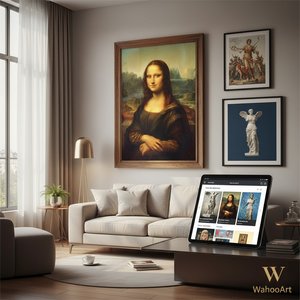
اكتشف أروع 25 لوحة فنية في متحف اللوفر بباريس! رحلة آسرة عبر تاريخ الفن مع روائع ليوناردو دا فينشي وكارياتيد. احصل على نسخ عالية الجودة لتزيين منزلك. استكشف المجموعة الكاملة الآن على BuyPopArt.com
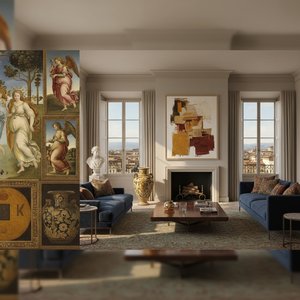
اكتشف أروع 25 لوحة فنية في معرض أوفيزي بفلورنسا! رحلة آسرة عبر عصر النهضة مع أعمال ليوناردو دا فينشي، بوتيتشيلي، ورفائيل. احصل على نسخ فاخرة من هذه التحف الفنية لتزيين منزلك. اكتشف المجموعة الكاملة على BuyPopArt.

Explore 10 Renaissance Humanism masterpieces by Leonardo da Vinci, Michelangelo & Raphael. Discover the stories behind these iconic paintings & sculptures and bring timeless art into your home with museum-quality reproductions from BuyPopArt.com. Explore the full collection online!


ابقَ على اطلاع بأحدث أخبار الفن، والعروض الحصرية، وأفكار الديكور.
أخبرنا عن مشروعك، وسيقدم لك خبراؤنا الفنيون 3 اقتراحات فنية مخصصة لك.
دعنا نختار لك ٣ خيارات مخصصة تماماً - مجاناً!


 معاينة الحجم الحقيقي
 مشاركة
 مشاركة
 التفاصيل

 تحميل الملف
 قطع مشابهة
 الأشعة السينية
 عرض شرائح

 عرض المزيد







 خيار الزجاج متاح فقط للمقاسات التي تقل عن 110 سم


