


لوحة زيتية مرسومة يدوياً على الكانفاس بالمقاس والإطار الذي تفضله، تُنفذ حسب الطلب على أيدي فنانينا. ( التحويل للنسخة المطبوعة التبديل إلى الصورة)
اختر من بين أحجامنا المُعدّة مسبقًا والتي تتطابق مع النسب الأصلية للعمل الفني.

يمكنك إدخال أبعادك الخاصة لتناسب إطارًا معينًا أو مساحة محددة. وإذا لم يتطابق الحجم الذي اخترته مع نسب الصورة الأصلية، فسنقوم إما بقص العمل الفني أو توسيع اللوحة بإضافة عناصر مرسومة يدويًا. سيتم إرسال نموذج رقمي إليك للموافقة عليه قبل بدء الإنتاج.
يرجى ملاحظة أن المعاينة على الشاشة لا تعكس عملية القص أو التوسيع الفعلية؛ حيث إن النموذج الرقمي وحده هو الذي سيوضح التكوين النهائي بدقة.
وعلى الرغم من توفر أحجام مخصصة، إلا أننا نوصي باختيار أبعاد من القائمة المحددة مسبقًا للحفاظ على النسب الأصلية للعمل الفني.
توصيل عالمي إلى خلال 3 إلى 4 أسابيع بدلاً من المدة المعتادة البالغة 5 أسابيع. (31 يوليو). جودة لا تهاون فيها.


Jonathan Dunn
مقاس النسخة المطبوعة
In the vibrant tapestry of the early nineteenth century, few figures embodied the intersection of military discipline and artistic refinement as uniquely as Thomas Barber. Known to many in his era as Barber Beaumont, this remarkable individual led a life that defied simple categorization. Born on December 21, 1774, in the heart of St Marylebone, London, Barber was far more than a mere painter; he was a British army officer, an author, a philanthropist, and a pioneer of miniature portraiture. His journey from the bustling streets of London to the service of royalty and the establishment of significant social institutions reflects a life driven by an unyielding ambition and a profound dedication to both aesthetic beauty and public service.
The artistic soul of Barber was nurtured through a rigorous classical education, which instilled in him a lifelong reverence for historical narrative and neoclassical ideals. Under the influential tutelage of Henry Kirke White, Barber developed a stylistic language characterized by meticulous detail and a dramatic use of light. This training allowed him to navigate the prestigious circles of the Royal Academy's aesthetic, where he mastered the ability to breathe life into both grand historical scenes and intimate portraits. His work often sought to capture the very essence of his subjects, blending the monumental scale of history painting with the delicate, emotive precision required for miniature portraiture.
While his ambitions reached toward the epic, it was in the intimate realm of miniature painting that Barber achieved his most enduring acclaim. His ability to render the dignity and grace of the aristocracy within a small, exquisitely crafted frame made him a sought-after portraitist for the British elite. Most notably, his role as the miniature painter to the Duke of Clarence—who would later ascend the throne as King William IV—cemented his status within the highest echelons of society. Through these small-scale masterpieces, Barber did not merely record faces; he captured the social standing, character, and enduring legacy of a generation.
His portfolio serves as a window into the Neoclassical era, showcasing a range of subjects that highlight his technical versatility:
Beyond the studio and the battlefield, Barber’s life was defined by a remarkable entrepreneurial spirit and a commitment to social welfare. His experiences as an officer, which included service in South America, provided him with a worldly perspective that informed his later ventures in London. He was not content to remain solely within the realm of fine arts; he applied the same precision found in his paintings to the world of commerce and philanthropy. His involvement in founding insurance offices and his leadership roles in organizations such as the Royal Victoria Rifle Club and the Provident Institution reveal a man deeply invested in the stability and progress of British society.
Ultimately, the historical significance of Thomas Barber lies in this rare synthesis of talents. He was an artist who understood the weight of history, an officer who understood the necessity of order, and a businessman who understood the value of security. Though his name may sometimes be obscured by the alias Beaumont, his contribution to the visual and social fabric of the nineteenth century remains indelible. Through his canvases, we continue to witness the grace of a bygone era, preserved through the eyes of a man who mastered both the brush and the complexities of life itself.

1771 - 1843


ابقَ على اطلاع بأحدث أخبار الفن، والعروض الحصرية، وأفكار الديكور.
أخبرنا عن مشروعك، وسيقدم لك خبراؤنا الفنيون 3 اقتراحات فنية مخصصة لك.
دعنا نختار لك ٣ خيارات مخصصة تماماً - مجاناً!


 معاينة الحجم الحقيقي
 مشاركة
 مشاركة
 التفاصيل

 تحميل الملف
 قطع مشابهة
 الأشعة السينية
 عرض شرائح
 عرض المزيد



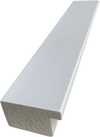
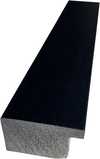
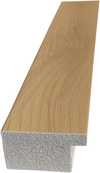
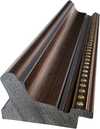
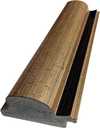

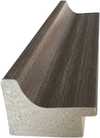
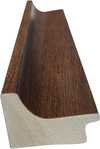
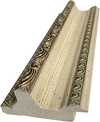
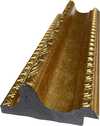
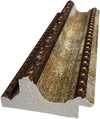
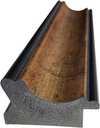
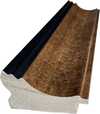
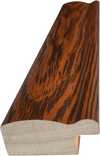
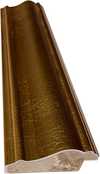

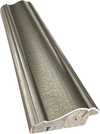


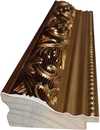
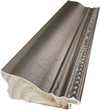
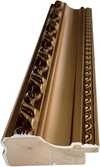
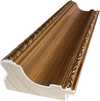
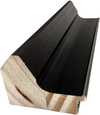
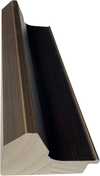
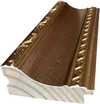

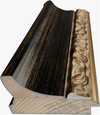
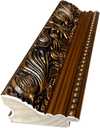

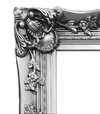
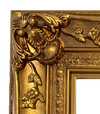
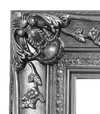
 خيار الزجاج متاح فقط للمقاسات التي تقل عن 110 سم


