

 LithographWallArtAbstract Expressionism
 1971
1971 103.0 x 72.0 cm
طباعة جيكلي أو كانفاس بجودة المتاحف، مع سرعة في التنفيذ وخيارات متنوعة للتشطيب. ( اشترِ لوحة مرسومة يدويًا اشترِ الصورة)





























اختر من بين أحجامنا المُعدّة مسبقًا والتي تتطابق مع النسب الأصلية للعمل الفني.

يمكنك إدخال أبعادك الخاصة لتناسب إطاراً أو مساحة معينة. وإذا لم يتطابق الحجم الذي اخترته مع نسب الصورة الأصلية، فسنقوم إما بقص العمل الفني أو تمديد الصورة باستخدام حافة معكوسة أو بلون مصمت. سيتم إرسال نموذج تجريبي رقمي لاعتمادك قبل بدء الإنتاج.
يرجى ملاحظة أن المعاينة على الشاشة لا تعكس عملية القص أو التمديد الفعلية؛ حيث سيوضح النموذج التجريبي فقط التكوين النهائي بدقة.
وعلى الرغم من توفر أحجام مخصصة، إلا أننا نوصي باختيار أبعاد من القائمة المحددة مسبقاً للحفاظ على النسب الأصلية.
توصيل عالمي إلى خلال أسبوعين بدلاً من المدة القياسية البالغة 4/5 أسابيع. 22 أغسطس


The Marshes
مقاس النسخة المطبوعة
Willem de Kooning’s “The Marshes,” painted in 1971, stands as a cornerstone of American Abstract Expressionism—a movement defined by its rejection of representational art and its fervent pursuit of spontaneous emotion. Produced by Hollander Graphic Workshop and published by MOMA, this lithograph captures the essence of de Kooning’s distinctive style: bold brushstrokes, dynamic composition, and an unsettling exploration of psychological depth.
The artwork presents a landscape devoid of conventional perspective or recognizable forms—a marsh environment rendered in shades of black, grey, and white. Rather than depicting a specific scene, it prioritizes conveying feeling over visual accuracy. The image’s grainy texture speaks to the lithographic process itself, highlighting the materiality of the print medium and adding to its textural richness.
De Kooning's approach aligns perfectly with the broader tenets of Abstract Expressionism, which emerged in New York City after World War II as artists sought new ways to express trauma and anxiety. Influenced by Surrealist techniques—particularly automatism—the artist deliberately abandons control over his brushstrokes, allowing them to generate an energetic dance across the surface of the paper.
The composition is deliberately chaotic; overlapping shapes and lines intertwine without discernible hierarchy. This lack of focal point isn’t a weakness but rather a strategic choice designed to immerse the viewer in a sensory experience mirroring the turbulent emotions at play. The artist's intention was not to depict reality, but to capture the visceral impact of inner turmoil.
Further research into Willem de Kooning reveals his formative years spent grappling with familial discord and his early departure from formal schooling—experiences that undoubtedly fueled his artistic restlessness. His apprenticeship with a commercial art firm provided technical grounding while simultaneously nurturing a desire for creative liberation. Moving to America in 1926, he embraced the ethos of an outsider artist, forging a path toward groundbreaking innovation.
The lithograph medium itself contributes significantly to the artwork’s aesthetic qualities. The process involves transferring ink from a stone matrix onto paper, resulting in precise tonal gradations and subtle variations in texture—elements that amplify the painting's expressive power. Examining “The Marshes” alongside other works by de Kooning—particularly his ‘Woman’ series—offers valuable insight into the artist’s ongoing exploration of psychological complexity.
Considered alongside similar pieces from Stedelijk Museum De Lakenhal and complemented by biographical information on Willem van de Velde the Elder and Younger, “The Marshes” exemplifies the artistic fervor of the Dutch Golden Age. Its enduring appeal lies in its ability to evoke profound emotional responses—a testament to de Kooning’s mastery of Abstract Expressionist technique and his unwavering commitment to conveying raw feeling.
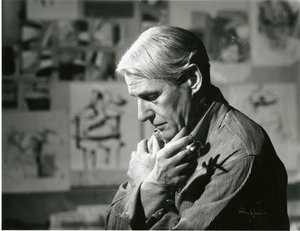
1904 - 1997 , هولندا

Dive into the high-voltage world of Abstract Expressionism. Explore the raw energy of Action Painting and the legendary masters of the New York School through a visual journey of pure chaos and color. Discover how to bring bold, high-impact abstract art into your modern space.

Master the high-impact world of contemporary abstraction. Discover how bold colors, textures, and modern movements like Abstract Expressionism can transform your space with premium, high-energy art curated for the design-conscious professional.

Dive into the high-energy world of Lyrical Abstraction. Explore how bold colors, fluid motion, and emotional depth define this modern masterpiece movement. Discover iconic artists and learn to bring this vibrant, soulful energy into your contemporary space.

Dive into the raw power of Abstract Expressionism. Explore the high-octane energy of action painting and color field mastery. Discover how these bold, visceral movements redefine modern interiors with high-impact, premium abstract art for the contemporary collector.


ابقَ على اطلاع بأحدث أخبار الفن، والعروض الحصرية، وأفكار الديكور.
أخبرنا عن مشروعك، وسيقدم لك خبراؤنا الفنيون 3 اقتراحات فنية مخصصة لك.
دعنا نختار لك ٣ خيارات مخصصة تماماً - مجاناً!


 معاينة الحجم الحقيقي
 مشاركة
 مشاركة
 التفاصيل

 تحميل الملف
 قطع مشابهة
 الأشعة السينية
 عرض شرائح
 عرض المزيد







 خيار الزجاج متاح فقط للمقاسات التي تقل عن 110 سم


