Acrylic On CanvasWallArtBaroque
 1610Renaissance
 70.0 x 62.0 cm
 Музей Прадо
Giclée печат или принт върху платно с музейно качество, бързо производство и гъвкави опции за завършен вид. ( Купете ръчно рисувана картина Купете изображение)





























Изберете от предварително зададените размери, които съответстват на оригиналните пропорции на произведението.

Можете да въведете собствени размери, за да паснат на конкретна рамка или пространство. Ако избраният от Вас размер не съвпада с пропорциите на оригиналното изображение, ние ще изрежем произведението или ще разширим изображението с огледален или едноцветен ръб. Дигитален макет ще бъде изпратен за Ваше одобрение преди започването на производството.
Моля, имайте предвид, че предпрегледът на екрана не отразява реалното изрязване или разширяване. Само макетът ще покаже точно финалната композиция.
Въпреки че са налични персонализирани размери, препоръчваме да изберете размер от предварително дефинирания списък, за да запазите оригиналните пропорции.
Доставка по целия свят () в рамките на 2 седмици вместо стандартните 4/5 седмици. (15 Август)


Jerónimo de Cevallos
Размер на репродукцията
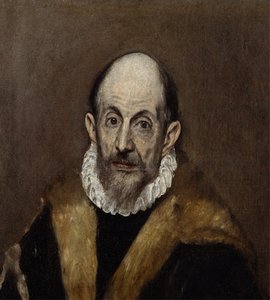
“Jerónimo de Cevallos” by El Greco is a captivating portrait executed in 1613 during his final years in Toledo, Spain. Measuring 70 x 62 cm and housed at the Museo del Prado, this oil on canvas piece exemplifies El Greco’s signature technique—tortuously elongated figures rendered with vibrant pigmentation that borders on hallucinatory intensity. The artist skillfully employs chiaroscuro, creating a dramatic contrast between light and dark to sculpt the subject's form and imbue it with palpable emotion.
Born in Crete around 1541, Doménikos Theotokópoulos embarked on a transformative artistic journey that began within the confines of Byzantine iconography. Trained rigorously in Constantinople’s monasteries, he mastered the conventions of Byzantine art—precise detail, symbolic color palettes rooted in theological significance, and an unwavering devotion to portraying spiritual ideals. However, El Greco's restless spirit propelled him eastward to Venice and Rome, where he absorbed the dynamism of Mannerism and the opulent splendor of the Venetian Renaissance.
El Greco’s stylistic choices were initially met with bewilderment by his contemporaries. Yet, his work resonated deeply with artists of subsequent generations—particularly those influenced by Romanticism—who recognized in it a profound expression of inner turmoil and spiritual yearning. The elongated figures, often depicted in poses that defy anatomical realism, serve as conduits for conveying psychological states—fear, sorrow, ecstasy—rather than merely representing physical likenesses. Furthermore, the dark background amplifies the luminosity of the subject’s flesh tones, creating an illusionistic depth that enhances the painting's dramatic impact.
The Museo del Prado, established in Madrid during the reign of Philip II, stands as one of Europe’s premier art museums—a repository of masterpieces spanning from the Gothic to the Romantic eras. El Greco’s “Jerónimo de Cevallos” occupies a prominent position within its collection, alongside other seminal works by Titian, Rubens and Velázquez. Its enduring appeal testifies to El Greco's genius as an artist who transcended stylistic boundaries and achieved a level of expressive power unmatched by his peers—a legacy that continues to inspire admiration and scholarly debate.
1541 - 1614 , Гърция

Разгледайте топ 25 шедьовъра на Ел Греко – икони на Ренесанса и испанското изкуство. Открийте историите зад духовните му картини, уникалната техника и символиката във всяка творба. Купете висококачествени репродукции за вашия дом на BuyPopArt.com!
Разгледайте топ 25 шедьоври на Франсиско Гоя – от портрети до исторически картини. Открийте историите, техниките и емоциите зад неговите най-известни творби. Луксозни репродукции за вашия дом в BuyPopArt.com!

APS ofrece reproducciones de bellas artes y encargos personalizados desde 2004. Confían en nosotros corporaciones, hoteles y coleccionistas selectos para obras de arte de calidad museística, servicio discreto y soluciones artísticas completas. ¡Póngase en contacto con nosotros para obtener un presupuesto personalizado!

Explore the captivating world of El Greco! Discover his unique style, spiritual intensity, and lasting impact on art history. Learn about this Renaissance master's life, iconic paintings & legacy.
Разгледайте топ 25 шедьоври от Прадо – Веласкес, Гоя, Ел Греко и други майстори! Истории зад картините, техники и вдъхновение за вашия дом. Купете репродукции на картини с музейно качество на BuyPopArt.com.


Бъдете информирани за последните новини в света на изкуството, ексклузивни оферти и идеи за декорация.
Разкажете ни за вашия проект и нашите експерти по изкуство ще ви предложат 3 персонализирани предложения за произведения на изкуството.
Нека подберем 3 варианта само за вас – безплатно!


 Представи си го
 Изпрати
 Сподели
 Детайли

 Изтегляне
 Подобни
 Рентгенова снимка
 Слайдшоу
 Прочетете повече







 Стъклото е налично само в размери под 110 см