Продавайте вашата изкуство
x
Представи си гоПредстави си го AR прегледAR преглед Купете принт Купете принтКупете ръчно рисувана картина Купете ръчно рисувана картина ИзпратиИзпрати
ДетайлиДетайли Добавяне към любими Добавяне към любими ИзтеглянеИзтегляне ПодобниПодобни Рентгенова снимкаРентгенова снимка СлайдшоуСлайдшоу

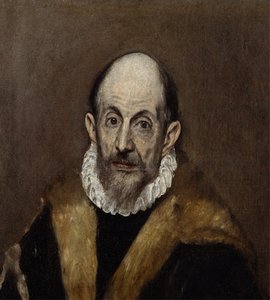
St. Jerome

Experience the dramatic Mannerist intensity of El Greco's St. Jerome, a masterpiece of light and shadow featuring elongated forms and profound spiritual depth that invites you to bring this timeless devotion into your home.

Уникална картина на Ел Греко, изобразяваща Светия Семейство в драматичен стил. Разкрийте красотата и дълбочината на тази емблематична творба от Златната ера на Испания.

Закупете дигитално изображение с висока резолюция и подобрени характеристики, значително по-добро от онлайн прегледа.

Всеки файл е щателно подготвен от нашите специалисти с помощта на съвременни инструменти и експертна ръчна ретуш. Гарантираме, че всяко изображение има изключителна яснота, прецизна цветова точност и фини детайли.

Окончателният файл се доставя по имейл в рамките на 72 часа, оптимизиран за незабавна употреба в професионални, редакционни и печатни среди. Това е същото качество, на което се доверяват водещи дизайнерски студия, издатели и галерии.

Дигитално изображение

Изтеглете файл с висока резолюция за лично показване, принтиране и творчески проекти. (Купете принт Купете принтКупете ръчно рисувана картина Купете ръчно рисувана картина)

Обща цена

$ 26,90

Включено във всяка поръчка за дигитални изображения

Експресна дигитална доставка, гарантирана

Когато изберете BuyPopArt.com, вие не получавате само изображение – вие получавате професионално подобрена дигитална творба, създадена с прецизност и подкрепена от гаранция за удовлетворение. Ето всичко, което автоматично се включва в вашата поръчка:

shipping_icon
Бърза доставка по имейл

Вашето дигитално изображение с висока резолюция ще ви бъде изпратено по имейл в рамките на 72 часа от поръчката - готово за незабавно използване.

canvas_icon
Дигитален файл с подобрено качество чрез изкуствен интелект

Вашата картина е професионално оптимизирана с помощта на усъвършенствани инструменти за изкуствен интелект и ръчна редакция, осигурявайки максимална детайлност, яснота и точност на цветовете.

insurance_icon
Безплатна доживотна повторна доставка

Изгубили сте или сте премахнали файла си по погрешка? Не се притежнявайте – ще го изпратим отново на Вас по всяко време, безплатно.

tax_icon
Без такки за мито - никога

Всредите си веднага без мита, данъци или такси по доставка - дигителните приложения винаги са без данъчно освободени.

color_icon
Гаранция за точност на цветовете

Гарантираме, че вашето дигитално изображение отразява оригиналните цветове възможно най-точно, използвайки професионални инструменти и управление на цветовете.

return_icon
Гаранция за удовлетвореност от 60 дни

Ако не сте доволни от вашето дигилно изображение, ще го коригираме или ще възмедим 100% в рамките на 60 дни – без никакви въпроси.

guarantee_icon
100% Гаранция за връщане на пари.

Не сте удовлетворени? Получавате пълно възстановяване на сумата в рамките на 60 дни след получаването на вашия цифров файл – без никакви въпроси.

discount_icon
Отстъпки за големи поръчки

Купете 3 изображения, спестете 10% - Купете 5, спестете 15% - Купете 10+, спестете 20%. Отлично за творчески проекти, галерии и агенства.

Бързи факти

  • Notable elements or techniques: Detailed drapery; Dramatic lighting
  • Dimensions: 110 x 95 cm
  • Influences: Byzantine art"; "Italian Renaissance
  • Subject or theme: Religious iconography; Saint Jerome's contemplation
  • Medium: Oil on canvas
  • Movement: Spanish Mannerism
  • Location: Metropolitan Museum of Art, New York City

Описание на колекционерския предмет

A Vision of Spiritual Intensity

In the quiet, shadowed corners of art history, few figures command the room with as much profound gravity as El Greco’s St. Jerome. Created around 1600 in the fervent atmosphere of Toledo, this masterpiece is far more than a mere portrait of a saint; it is a window into the very soul of Mannerism. The painting captures the venerable Doctor of the Church, St. Jerome, not as a distant icon, but as a man deeply immersed in the weight of his own devotion. As he sits amidst an austere setting, his weathered face and long, flowing white beard serve as a testament to a lifetime of intellectual rigor and spiritual searching. The artist masterfully uses a palette of deep reds and soft pinks against a somber, dark background, ensuring that every wrinkle of wisdom and every fold of his scholarly robes pulls the viewer into his private moment of contemplation.

The technique employed by Domenikos Theotokópoulos—the Greek master known as El Greco—is nothing short of transformative. Moving away from the balanced, harmonious ideals of the High Renaissance, El Greco embraces the expressive distortions of Mannerism to evoke a sense of divine unrest. Through the brilliant use of chiaroscuro, he sculpts Jerome’s form with dramatic light and shadow, creating a three-dimensional presence that feels almost tactile. The elongated proportions and flickering, ethereal light characteristic of his style do not merely represent physical reality; they suggest a spiritual reality that transcends the material world. For the discerning collector or interior designer, this painting offers a commanding focal point, bringing a sense of historical depth and dramatic elegance to any sophisticated space.

The Intersection of History and Devotion

To understand the emotional resonance of this work, one must look to the streets of Toledo during the turn of the 17th century. This was a city pulsating with Catholic piety, a place where the boundaries between the earthly and the divine felt thin. El Greco, having traveled from the Byzantine traditions of Crete through the vibrant studios of Venice and Rome, arrived in Spain with a unique visual language capable of expressing this intense religious fervor. In St. Jerome, we see the culmination of this journey. The saint, famed for translating the Bible into Latin, is depicted with his book—the very vessel of his life's work—symbolizing the bridge between human intellect and divine revelation.

The symbolism within the composition invites a lingering gaze. The stark contrast between the vibrant red of his cape and the murky depths of the background serves to isolate the subject, mirroring the solitary nature of ascetic life. There is a palpable sense of solitude and intellectual hunger that radiates from the canvas. For those looking to adorn a study, library, or a formal gallery, a high-quality reproduction of this piece provides more than just decoration; it offers an invitation to pause, to reflect, and to engage with one of the most emotionally charged periods in Western art history. It is a piece that does not merely hang on a wall—it breathes life into the architecture surrounding it.

Биография на художника

Doménikos Theotokópoulos, Known As El Greco – A Pioneer Of Expressionism And Cubism

Doménikos Theotokópoulos, universally recognized as El Greco – “the Greek” – stands apart in the annals of Western art history. Born in Crete, Greece, around 1541, his artistic journey was marked by constant movement and transformation, culminating in a singular style that anticipated the revolutionary impulses of Expressionism and Cubism centuries later. He wasn’t merely responding to trends; he fundamentally reshaped visual language, forging a path toward modern art while retaining an unwavering devotion to Byzantine spiritual traditions.

Early Training And Cretan Roots

El Greco's formative years were steeped in the Orthodox faith of Crete, then under Venetian rule. His early artistic training focused on mastering the meticulous techniques of icon painting – a practice deeply rooted in Byzantine aesthetics—characterized by precise detail and symbolic representation. This foundational understanding profoundly influenced his subsequent work, informing his compositional choices and his use of color. The influence of Byzantine art is palpable in his earliest paintings, demonstrating an acute sensitivity to spiritual themes and a commitment to conveying profound emotion through visual imagery. His signature “Krḗs” – Cretan – served as a defiant assertion of his heritage, signaling both pride and artistic distinction amidst the cosmopolitan currents of Venice and Rome.

Venice And The Renaissance Masters

Around 1567, El Greco relocated to Venice, immersing himself in the vibrant artistic milieu of the Venetian Renaissance. This pivotal move exposed him to the towering figures of Titian, Tintoretto, and Veronese—masters who had revolutionized painting with their mastery of color, perspective, and dramatic lighting. He diligently studied their techniques, absorbing their expressive power and adapting them to his own distinctive vision. The Venetian influence is particularly evident in *St. Sebastian* (1600), where anatomical accuracy merges seamlessly with theatrical staging – a testament to El Greco’s ability to synthesize disparate artistic traditions. He skillfully employed oil paint, embracing its sensual qualities and experimenting with innovative compositional approaches.

Rome And Mannerism: A Difficult Embrace

A subsequent journey to Rome presented El Greco with a contrasting aesthetic landscape—the Mannerist style. While he demonstrated considerable talent in capturing the elegance and sophistication of Mannerist art, he struggled to gain acceptance within the competitive Roman artistic community. The elongated figures and distorted perspectives characteristic of Mannerism posed challenges to his ingrained Byzantine sensibilities, highlighting the difficulties inherent in reconciling tradition with innovation. Nevertheless, El Greco persevered, refining his technique and exploring new expressive possibilities—a testament to his unwavering determination as an artist.

Toledo And Spiritual Intensity

His final artistic home was Toledo, Spain – a city pulsating with religious fervor during the Counter- Reformation. This relocation provided El Greco with both patronage and an environment conducive to developing his intensely spiritual paintings. He found inspiration in the austere beauty of Toledo’s churches and monasteries, channeling his faith into monumental works that conveyed profound emotion and spiritual transcendence. *The Burial of the Count of Orgaz* (1586-1588), arguably his masterpiece, exemplifies this culmination of artistic vision—a breathtaking fusion of realism and mysticism that solidified El Greco's reputation as one of Spain’s greatest painters. The painting’s dramatic lighting, elongated figures, and symbolic imagery continue to captivate viewers today, embodying the enduring legacy of a truly singular artist.

A Lasting Impact On Art History

El Greco’s distinctive style—characterized by elongated figures, intense emotion, and theatrical lighting—anticipated the expressive fervor of Expressionism and Cubism centuries later. Artists like Picasso and Braque recognized him as a precursor to modern art, admiring his innovative use of form and color. His paintings resonated with the spirit of the avant-garde, demonstrating that artistic innovation could emerge from unexpected sources. El Greco’s legacy extends far beyond his own lifetime—he remains an icon of spiritual artistry and a testament to the transformative power of creative vision. He is remembered not merely as a painter but as a prophet of modern art, whose work continues to inspire artists and scholars alike.
Ел Греко

Ел Греко

1541 - 1614 , Гърция

Бързи факти

  • Artistic Movement Or Style: Ренесанс и Барокко
  • Artists Who Influenced This Artist:
    • Тициан
    • Тинторетто
  • Date Of Birth: 1541 г.
  • Date Of Death: 1614 г.
  • Full Name: Doménikos Θεοτοκόπουλος
  • Nationality: Гръцки-Испански
  • Notable Artworks:
    • Погребението на граф Оргоз
    • Панорама над Толедо
    • Разделен Христосъбитие
  • Place Of Birth: Крета, Гърция
