
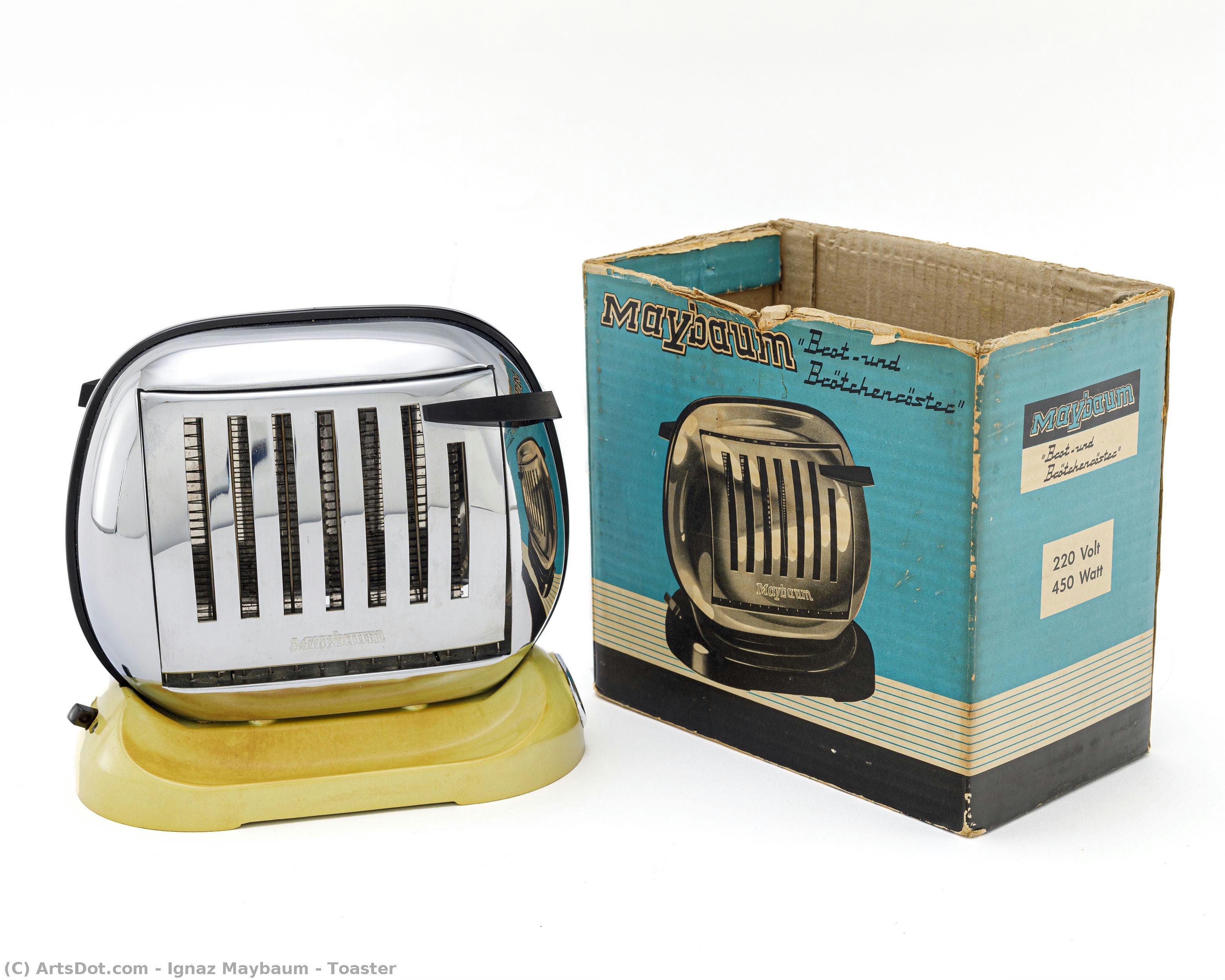
Giclée печат или принт върху платно с музейно качество, бързо производство и гъвкави опции за завършен вид. ( Купете ръчно рисувана картина Купете изображение)
Изберете от предварително зададените размери, които съответстват на оригиналните пропорции на произведението.

Можете да въведете собствени размери, за да паснат на конкретна рамка или пространство. Ако избраният от Вас размер не съвпада с пропорциите на оригиналното изображение, ние ще изрежем произведението или ще разширим изображението с огледален или едноцветен ръб. Дигитален макет ще бъде изпратен за Ваше одобрение преди започването на производството.
Моля, имайте предвид, че предпрегледът на екрана не отразява реалното изрязване или разширяване. Само макетът ще покаже точно финалната композиция.
Въпреки че са налични персонализирани размери, препоръчваме да изберете размер от предварително дефинирания списък, за да запазите оригиналните пропорции.
Доставка по целия свят () в рамките на 2 седмици вместо стандартните 4/5 седмици. (12 Август)


Toaster
Размер на репродукцията
Born in Allentown, Pennsylvania, in 1897, John Berninger’s artistic journey began remarkably early. Picking up a brush at the tender age of fifteen, he quickly discovered a passion for oil painting that would define his life and career. While many artists find their voice later, Berninger established himself as a significant figure within American realism by his late twenties, a period marked by both stylistic evolution and a deep engagement with the changing social landscape of the United States.
The late 1890s were a pivotal time for art globally. The Impressionist movement had begun to wane, giving way to new explorations of form, color, and subject matter. Simultaneously, Realism continued its trajectory, seeking to depict everyday life with unflinching honesty. Berninger’s work reflects this confluence – he embraced the meticulous detail characteristic of realism while simultaneously absorbing influences from the burgeoning Symbolist movement, evident in his later, more atmospheric paintings. His early training at the Pennsylvania Academy of the Fine Arts and a brief stint at the National Academy of Design in New York City provided him with a solid foundation in traditional techniques, which he then skillfully adapted to express his unique vision.
Berninger’s artistic development can be traced through distinct phases. Initially, his work leaned heavily into the conventions of academic realism, characterized by precise rendering and a focus on portraiture. However, as he matured, he began to experiment with looser brushwork, brighter colors, and a greater emphasis on capturing mood and atmosphere. This shift is particularly noticeable in his landscapes and scenes of rural life, where he skillfully employed light and shadow to evoke a sense of place and time.
A key turning point in Berninger’s career was his move to Lambertville, New Jersey, in the 1930s. This relocation provided him with access to a vibrant artistic community and inspired a renewed interest in depicting the lives of ordinary people. His paintings from this period are often characterized by their intimate scale, detailed observation, and subtle emotional resonance. He wasn’t interested in grand narratives or heroic figures; instead, he found beauty and significance in the quiet moments of everyday existence – a farmer tending his fields, a woman washing clothes, children playing in the street.
While Berninger largely operated independently, it's clear that he was influenced by several key artistic currents. The works of Ivan Albright, particularly his explorations of decay and psychological states, resonate with Berninger’s later interest in portraying the complexities of human experience. Similarly, the paintings of George Bellows, known for their depictions of urban life and social commentary, share a similar commitment to realism and a keen awareness of contemporary issues. Furthermore, the rise of Neue Sachlichkeit in Europe – characterized by its objective observation and rejection of sentimentality – subtly informed Berninger’s approach to representing the world around him.
John Berninger's contribution to American art lies primarily in his unwavering commitment to realism. He wasn’t interested in creating idealized representations or imposing personal fantasies onto his subjects; instead, he sought to capture reality with honesty and empathy. His paintings offer a valuable glimpse into the lives of ordinary Americans during a period of significant social and economic change. Though perhaps not as widely celebrated as some of his contemporaries, Berninger's work continues to be appreciated for its technical skill, emotional depth, and quiet beauty. He stands as a testament to the power of observation and the enduring relevance of realism in art.

1897 - 1976 , Austria


Бъдете информирани за последните новини в света на изкуството, ексклузивни оферти и идеи за декорация.
Разкажете ни за вашия проект и нашите експерти по изкуство ще ви предложат 3 персонализирани предложения за произведения на изкуството.
Нека подберем 3 варианта само за вас – безплатно!


 Представи си го
 Изпрати
 Сподели
 Детайли

 Изтегляне
 Подобни
 Рентгенова снимка
 Слайдшоу

 Прочетете повече




































 Стъклото е налично само в размери под 110 см


