Giclée печат или принт върху платно с музейно качество, бързо производство и гъвкави опции за завършен вид. ( Купете ръчно рисувана картина Купете изображение)





























Изберете от предварително зададените размери, които съответстват на оригиналните пропорции на произведението.

Можете да въведете собствени размери, за да паснат на конкретна рамка или пространство. Ако избраният от Вас размер не съвпада с пропорциите на оригиналното изображение, ние ще изрежем произведението или ще разширим изображението с огледален или едноцветен ръб. Дигитален макет ще бъде изпратен за Ваше одобрение преди започването на производството.
Моля, имайте предвид, че предпрегледът на екрана не отразява реалното изрязване или разширяване. Само макетът ще покаже точно финалната композиция.
Въпреки че са налични персонализирани размери, препоръчваме да изберете размер от предварително дефинирания списък, за да запазите оригиналните пропорции.
Доставка по целия свят () в рамките на 2 седмици вместо стандартните 4/5 седмици. (16 Август)


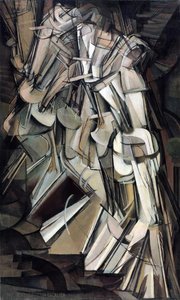
Suspension (Bec Auer)
Размер на репродукцията
In the quiet, contemplative space of modern art history, few images possess the haunting simplicity of Marcel Duchamp’s “The Bec Auer.” Completed in 1967, this work serves as a profound, late-career testament to an artist who spent his life dismantling the boundaries of what we consider "art." At first glance, the viewer is met with a solitary light bulb suspended from a wire, appearing almost like a fleeting sketch captured mid-motion. There is an undeniable vulnerability in its presentation; it does not demand attention through grand scale or vibrant color, but rather through a delicate, unfinished quality that suggests a moment of creative thought caught in the act of becoming. For the collector or the interior designer, this piece offers a sophisticated focal point—a conversation starter that brings a sense of intellectual depth and minimalist elegance to any curated space.
< p>The technique employed here is deeply rooted in Expressionism, moving away from the rigid precision of academic realism to embrace the visceral power of the gesture. Duchamp utilizes loose, rhythmic brushstrokes that prioritize tonal variation and movement over meticulous detail. This deliberate lack of polish creates a palpable sense of immediacy, as if the artist’s hand were still fresh upon the canvas. The way the light bulb is rendered—partially sketched, partially realized—mirrors the artist's own fascination with the process of creation itself. It is not merely a representation of an object, but a representation of the idea of an object, inviting the observer to fill in the shadows and the light with their own perception.To understand "The Bec Auer" is to understand the revolutionary concept of the "readymade." Duchamp was a master of provocation, famously arguing that the essence of art resided not in the manual skill of the execution, but in the conceptual choice of the artist. By elevating a commonplace, industrial item like a light bulb to the status of a fine art subject, he challenged the very foundations of artistic dogma. This piece carries the DNA of Dadaism, a movement born from the chaos and disillusionment of the early 20th century, which sought to reject logic and embrace the absurd. In this painting, the light bulb becomes a symbol of illumination amidst uncertainty, a small spark of clarity held precariously by a single wire.
The historical context of the late 1960s adds another layer of emotional resonance to the work. Created during a period of significant global upheaval and cultural shifts, the painting reflects a broader sense of post-war anxiety and the questioning of established truths. For those looking to adorn a contemporary home or gallery, "The Bec Auer" provides more than just aesthetic beauty; it offers an emotional anchor. It is a piece that embodies the tension between the seen and the unseen, the finished and the unfinished, making it an ideal acquisition for those who appreciate art that functions as both a visual masterpiece and a philosophical inquiry.

1887 - 1968 , Франция

Elevate your space with the ultimate power move: Conceptual Art. Discover how prioritizing ideas over aesthetics can transform your interior into a bold, intellectual statement of modern design and cultural authority.

Dive into the raw rebellion of Dadaism. Explore how this anti-art movement used chaos and nonsense to shatter tradition, paving the way for Surrealism and modern pop culture. Discover the bold spirit that redefined creativity forever.

Master the art of calm with our trend forecast on minimalist decor. Discover how to curate high-impact, low-stimulus spaces using geometric sculptures, monochrome palettes, and modern abstract works for a sophisticated, zen-inspired lifestyle.

Discover the art of minimalist living with our expert guide to curating sophisticated interiors. Learn how to use sculptural depth, intentional color palettes, and timeless statement pieces to transform your home into a serene, high-end sanctuary of modern elegance.


Бъдете информирани за последните новини в света на изкуството, ексклузивни оферти и идеи за декорация.
Разкажете ни за вашия проект и нашите експерти по изкуство ще ви предложат 3 персонализирани предложения за произведения на изкуството.
Нека подберем 3 варианта само за вас – безплатно!


 Представи си го
 Изпрати
 Сподели
 Детайли

 Изтегляне
 Подобни
 Рентгенова снимка
 Слайдшоу

 Прочетете повече







 Стъклото е налично само в размери под 110 см