Sell Your Art
x
PreviewPreview Купи принт Купи принтКупи изображение Купи изображение ИзпратиИзпрати
ДетайлиДетайли Добавяне към любими Добавяне към любими ИзтеглянеИзтегляне ПодобниПодобни Рентгенова снимкаРентгенова снимка СлайдшоуСлайдшоу

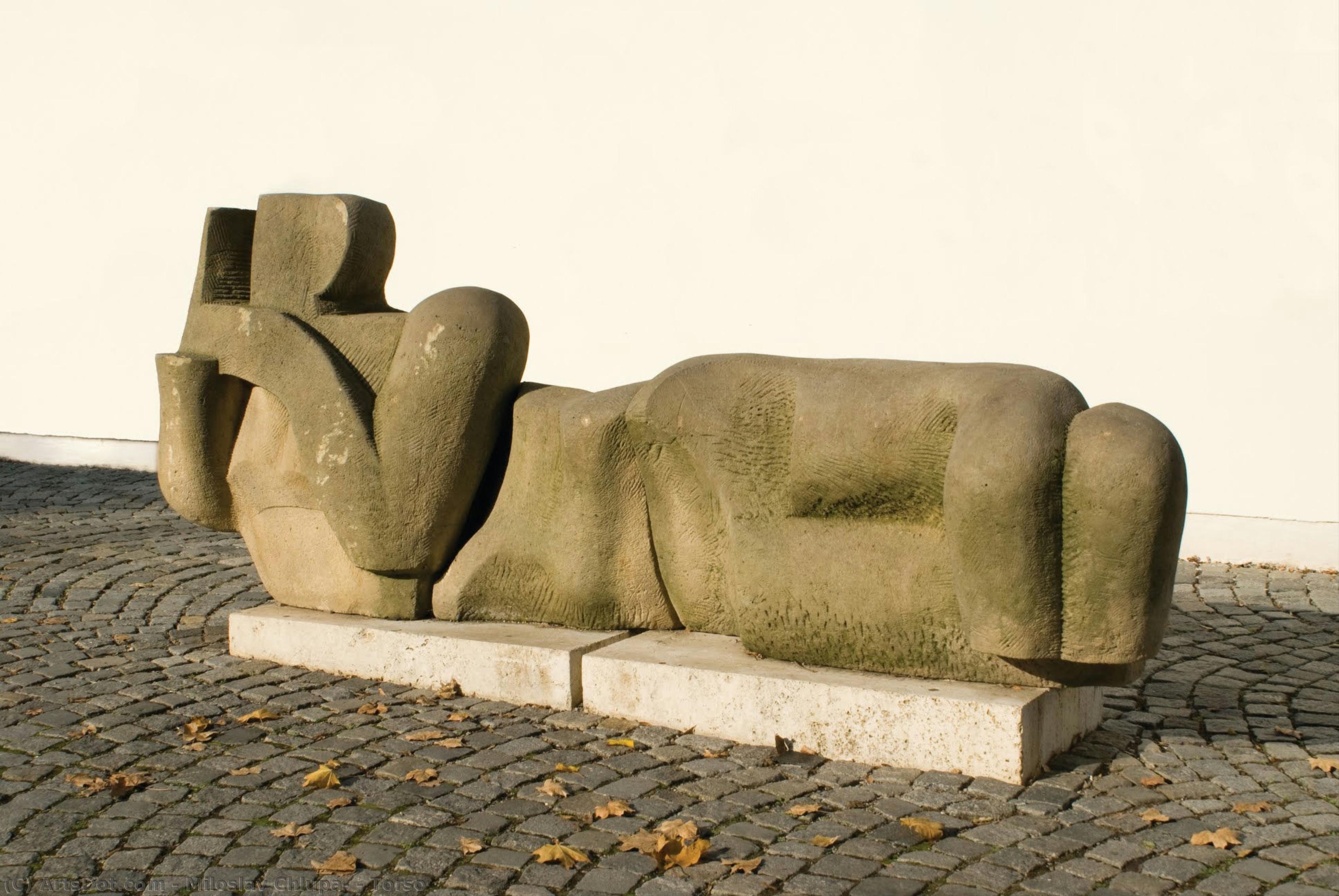
Torso

Czech sculptor Miloslav Chlupáč (1935-2008) revolutionized sculpture with moving parts & conceptual designs. A founding member of UB 12, his work gained European recognition.

Ръчно изработена маслена репродукция

Ръчно рисувана маслена картина върху платно във вашия размер и рамка, изработена по поръчка от нашите художници.

Standard
custom
CM
INCH

Изберете от предварително зададените размери, които съответстват на оригиналните пропорции на произведението.

ширина
височина

Можете да въведете свои собствени размери, за да пасне на конкретна рамка или пространство. Ако избраният от вас размер не съответства на пропорциите на оригиналното изображение, ние ще изрежем произведението или ще удължим картината с допълнителни ръчно рисувани елементи. Дигитален макет ще бъде изпратен за ваше одобрение преди започване на производството.
Моля, обърнете внимание, че прегледът на екрана не отразява действителното изрязване или разширяване. Само макетът ще покаже точно финалния състав.
Въпреки че са налични персонализирани размери, препоръчваме да изберете размер от предварително дефинирания списък, за да запазите оригиналните пропорции.

Примери за това какво може да се промени: Заменете лице с клиентска снимка; Добавете домашен любимец (например заменете котка с куче); Включете скрито послание на фона; Променете пейзажа или елементите на фона.
След поръчка, екипът на BuyPopArt.com ще изпрати имейл на клиента за инструкции и ще предостави преглед на макет.

Доставка по целия свят () в рамките на 3/4 седмици вместо стандартните 5 седмици. (24 Юли). Без компромис с качеството.

why_choose_icon
Безплатна експресна доставка по целия свят
why_choose_icon
Висококачествено ленено платно
why_choose_icon
Пълно застраховане при доставка
why_choose_icon
Гаранция за възстановяване на митнически такси
why_choose_icon
Гаранция за цветова точност
why_choose_icon
60-Дневен период за връщане (Само при дефекти)
why_choose_icon
100% Гаранция за връщане на парите
why_choose_icon
Предложение за отстъпка при поръчка на едро

Обща цена

-

reproduction

Torso

Репродукционен метод

Размер на репродукцията

-

Обща цена

-


Биография на художника

A Pioneer of Kinetic Form: The Life and Art of Miloslav Chlupáč

Miloslav Chlupáč, born in Prague in 1935 and passing away in 2008, stands as a pivotal figure in the development of Czech sculpture during the latter half of the twentieth century. His work wasn’t merely about shaping materials; it was an exploration of movement, perception, and the very essence of sculptural space. Chlupáč emerged from a period of intense political upheaval, his artistic journey deeply intertwined with the socio-political climate of Czechoslovakia, first under communist rule and then through its eventual transition to democracy. Initially drawn to medicine, he quickly abandoned that path following the closure of Czech universities by the Nazi regime, instead finding himself apprenticed to a stonemason. This early immersion in the physicality of stone would prove foundational, though his artistic vision soon expanded far beyond traditional static forms. He continued his studies at the Academy of Applied Arts in Prague under Josef Wagner, becoming actively involved in student politics and advocating for reforms within the institution itself.

The Radicalization of Form: UB 12 and Early Collaborations

Chlupáč’s artistic identity truly began to coalesce with his co-founding of the UB 12 group in the late 1950s. This collective, comprised of avant-garde artists, sought to break away from socialist realism and explore new modes of expression. It was during this period that Chlupáč’s signature style – sculpture incorporating moving parts – began to take shape. He wasn't interested in simply representing form; he wanted to *activate* it, to imbue his creations with a sense of life and dynamism. This approach represented a radical departure from the established norms of sculpture, challenging viewers to reconsider their understanding of three-dimensional space and the relationship between object and observer. Simultaneously, Chlupáč forged strong collaborative relationships with architects throughout the 1960s, integrating his sculptures into architectural projects and blurring the boundaries between disciplines. These collaborations weren’t merely decorative; they were integral components of the overall design, reflecting a holistic approach to artistic creation.

A European Recognition: Conceptual Depth and International Acclaim

The originality of Chlupáč's work quickly garnered attention beyond Czechoslovakia’s borders. His sculptures, characterized by their intricate mechanisms and conceptual depth, were recognized for their unique contribution to the European art scene. He became one of the few Czech sculptors included in the *New Dictionary of Modern Sculpture*, published in Paris in 1970 – a testament to his growing international reputation. This recognition was particularly significant given the political constraints under which he operated. His work wasn’t simply aesthetically innovative; it represented a subtle form of resistance, a refusal to conform to the dictates of socialist realism. The moving parts within his sculptures can be interpreted as metaphors for change and transformation, reflecting a desire for greater freedom and expression.

Persecution and Resilience: Art Under Normalization

The Warsaw Pact invasion of Czechoslovakia in 1968 marked a turning point in Chlupáč’s career. The subsequent period of “Normalization” brought with it increased censorship and political repression, effectively silencing many dissenting voices within the art community. Chlupáč found himself among those persecuted for his artistic beliefs, losing opportunities to exhibit and facing significant obstacles in pursuing his work. Despite these challenges, he refused to abandon his creative vision. Forced into relative isolation, he turned increasingly towards painting, though even this avenue of expression was curtailed by the political climate. This period underscores the courage and resilience required to maintain an artistic identity under oppressive conditions. His wife, sculptor Věra Janoušková, shared in these struggles, becoming a steadfast partner in both life and art.

Legacy and Enduring Significance

The Velvet Revolution of 1989 brought about a dramatic shift in Czechoslovakia’s political landscape, allowing Chlupáč to re-emerge as a prominent figure in the art world. He once again exhibited his work internationally, participated in sculpture symposia, and shared his knowledge through teaching positions at summer academies. His legacy extends beyond his individual sculptures; he inspired generations of Czech artists to challenge conventions and explore new forms of expression. Chlupáč’s contribution lies not only in the technical innovation of incorporating movement into sculpture but also in the conceptual depth of his work, which continues to resonate with audiences today. His sculptures are a testament to the power of art as a form of resistance, a celebration of freedom, and an enduring exploration of the human condition. His originality and conceptual approach give his sculpture a lasting European significance.
miloslav chlupáč

miloslav chlupáč

1935 - 2008 , Czech Republic

Бързи факти

  • Artistic Movement Or Style: Conceptual sculpture
  • Date Of Birth: 1935
  • Date Of Death: 2008
  • Full Name: Miloslav Chlupáč
  • Nationality: Czech
  • Notable Artworks: ['Torso']
  • Place Of Birth: Prague, Czech Republic




































