Масло върху платноСтени и декорацияPost-Impressionism
 1866Късносредновековечен
 167.0 x 105.0 cm
 Chrysler Museum of Art
Giclée печат или принт върху платно с музейно качество, бързо производство и гъвкави опции за завършен вид. ( Купете ръчно рисувана картина Купете изображение)





























Изберете от предварително зададените размери, които съответстват на оригиналните пропорции на произведението.

Можете да въведете собствени размери, за да паснат на конкретна рамка или пространство. Ако избраният от Вас размер не съвпада с пропорциите на оригиналното изображение, ние ще изрежем произведението или ще разширим изображението с огледален или едноцветен ръб. Дигитален макет ще бъде изпратен за Ваше одобрение преди започването на производството.
Моля, имайте предвид, че предпрегледът на екрана не отразява реалното изрязване или разширяване. Само макетът ще покаже точно финалната композиция.
Въпреки че са налични персонализирани размери, препоръчваме да изберете размер от предварително дефинирания списък, за да запазите оригиналните пропорции.
Доставка по целия свят () в рамките на 2 седмици вместо стандартните 4/5 седмици. (17 Август)


Bather and Rocks
Размер на репродукцията
Paul Cézanne's "Bather and Rocks," a captivating fragment salvaged from a monumental mural conceived during his time in southern France, offers an immediate and powerful encounter. More than just a depiction of a nude figure, it’s a distilled essence of Cézanne’s revolutionary approach to painting – a deliberate rejection of academic conventions in favor of capturing the fundamental structure of reality. Painted in 1866, this piece embodies his evolving exploration of form, color, and light, foreshadowing the burgeoning movements that would follow. The scene unfolds with an almost violent energy; the heavily muscled nude, seemingly poised on a precarious rock formation, confronts a colossal, looming boulder, as if battling against the relentless force of rushing water. This isn’t a tranquil pastoral scene; it's imbued with a sense of struggle and dynamism – a testament to Cézanne’s desire to represent not just what he saw, but how he *felt* about what he saw.
It’s crucial to understand that “Bather and Rocks” exists as a fragment of something far grander. At the time of its creation, Cézanne was transforming the walls of an 18th-century mansion into a vast landscape – a project that reflected his fascination with the natural world and his ambition to synthesize observation and imagination. The mural’s eventual dismantling in 1907, and subsequent sale of this particular section, underscores the artist's deliberate choice to isolate this powerful image. This detachment, however, doesn’t diminish its impact; rather, it concentrates the energy and intensity of Cézanne’s vision, allowing viewers to contemplate the figure and the rock in a more intimate way. The fact that it was removed from its original context adds an element of mystery – we are left with a tantalizing glimpse into a larger, unfinished world.
Cézanne’s technique is immediately recognizable and profoundly influential. He employed a method of building up forms through small, broken brushstrokes—often applied in parallel directions—creating an illusion of solidity and depth. Notice how he uses planes of color to define the rock face, layering hues to suggest volume and texture. The water itself isn't rendered with smooth transitions; instead, it’s depicted as a series of overlapping strokes, conveying its movement and force. This deliberate fragmentation of form – a hallmark of Cézanne’s style – paved the way for Cubism and profoundly impacted 20th-century art. The use of oil on canvas, transferred from plaster, highlights the tactile quality of his work, inviting us to imagine the artist's hands shaping the image directly onto the surface.
While seemingly simple in its composition, “Bather and Rocks” is rich with symbolic potential. The nude figure can be interpreted as a representation of humanity confronting nature – a struggle for survival, perhaps, or an assertion of strength against overwhelming forces. The rock itself acts as both obstacle and support, symbolizing resilience and the enduring power of the natural world. The painting’s emotional impact is undeniably visceral; it evokes feelings of awe, vulnerability, and a deep connection to the elemental forces of nature. Cézanne wasn't simply depicting a scene; he was conveying an experience – a profound meditation on the relationship between man and his environment.
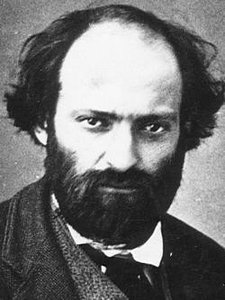
1839 - 1906 , Франция
Открийте 25 шедьовъра на Пол Сезан – импресионизъм, постимпресионизъм и революционен стил! Разгледайте историите зад картините, техниките и вдъхновението. Купете висококачествени репродукции за вашия дом на BuyPopArt.com.
Разгледайте топ 10 шедьоври на импресионизма и открийте красотата на пейзажите от Моне, Реноар и други известни художници. Вдъхновете се за вашия дом с репродукции на картини в BuyPopArt.com! Разгледайте пълната колекция онлайн.
Открийте топ 10 шедьовъра в пейзажната живопис! Ван Гог, Моне и други велики художници. История на изкуството, техники и емоции. Репродукции с музейно качество за вашия дом от BuyPopArt.com.
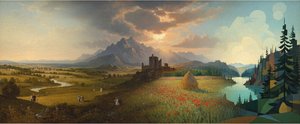
Explore the rich history of landscape art with BuyPopArt. Discover renowned artists, movements like Impressionism & Romanticism, and expert guidance for collecting timeless pieces. Find your perfect serene escape today!

Explore the rich history of landscape art with BuyPopArt. Discover renowned artists, movements like Impressionism & tonalism, and expert guidance for collecting timeless pieces. Find your perfect serene escape today!


Бъдете информирани за последните новини в света на изкуството, ексклузивни оферти и идеи за декорация.
Разкажете ни за вашия проект и нашите експерти по изкуство ще ви предложат 3 персонализирани предложения за произведения на изкуството.
Нека подберем 3 варианта само за вас – безплатно!


 Представи си го
 Изпрати
 Сподели
 Детайли

 Изтегляне
 Подобни
 Рентгенова снимка
 Слайдшоу
 Прочетете повече







 Стъклото е налично само в размери под 110 см