


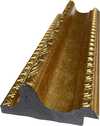
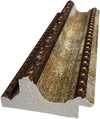
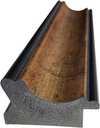
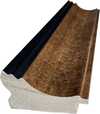
Ръчно рисувана маслена картина върху платно във вашия размер и рамка, изработена по поръчка от нашите художници. ( Превключване към печат Превключване към изображение)
Изберете от предварително зададените размери, които съответстват на оригиналните пропорции на произведението.

Можете да въведете свои собствени размери, за да пасне на конкретна рамка или пространство. Ако избраният от вас размер не съответства на пропорциите на оригиналното изображение, ние ще изрежем произведението или ще удължим картината с допълнителни ръчно рисувани елементи. Дигитален макет ще бъде изпратен за ваше одобрение преди започване на производството.
Моля, обърнете внимание, че прегледът на екрана не отразява действителното изрязване или разширяване. Само макетът ще покаже точно финалния състав.
Въпреки че са налични персонализирани размери, препоръчваме да изберете размер от предварително дефинирания списък, за да запазите оригиналните пропорции.
Доставка по целия свят () в рамките на 3/4 седмици вместо стандартните 5 седмици. (4 Август). Без компромис с качеството.


Cavalry skirmish
Размер на репродукцията
Pieter Snayers (1592–1667) stands as a pivotal figure in the artistic landscape of the Dutch Golden Age, renowned primarily for his breathtaking panoramic battle scenes and meticulously rendered depictions of aristocratic life. More than just a skilled painter, Snayers possessed an unparalleled ability to capture the drama and grandeur of conflict—a talent that cemented his place amongst the most celebrated topographical artists of his era. His canvases offer a unique glimpse into the military strategies and visual spectacle of 17th-century warfare, alongside portraits reflecting the opulent tastes and social hierarchies of the time.
Born in Antwerp, Snayers’ early life was shaped by his father's position as city messenger—a role that instilled in him an appreciation for observation and detail. He formally enrolled as a pupil of Sebastiaen Vrancx, a fellow Antwerp guild artist who championed similar dramatic compositions, establishing a crucial artistic lineage. Vrancxi’s influence is evident in Snayers’ stylistic choices, particularly his masterful use of perspective and chiaroscuro—techniques that heighten the emotional impact of his paintings. By 1613, Snayers achieved mastership within the St. Luke Guild, signifying his commitment to honing his craft and integrating into Antwerp's vibrant artistic community.
Snayers’ career was defined by a remarkable transition from the local guilds of Antwerp to the prestigious courts of Europe. His marriage to Anna Schut brought him a family life rooted in the artistic milieu of Brussels, where he would later establish himself as a court painter—a position that afforded him considerable prestige and access to influential patrons. His appointment by Archduke Albert in 1621 marked a significant turning point, propelling him into the service of Habsburg royalty and securing his reputation as a military iconographer. As the principal military iconographer for the court in Brussels, he even held the distinguished rank of lieutenant-colonel.
What truly set Snayers apart was his dedication to documenting battles with a level of precision that bordered on the scientific. He meticulously researched troop movements, siege fortifications, and battlefield conditions, allowing him to create large-scale topographical battle scenes that provided a bird's-eye view over the chaos of war. His works, such as the Siege of Armentières and the Battle of White Mountain, are celebrated for their remarkable accuracy. Interestingly, contemporary biographers like Cornelis De Bie noted that while Snayers achieved legendary status for his battlefield depictions, he possessed a talent so profound that he could render these intense conflicts with lifelike quality without ever having personally set foot on a battlefield.
Beyond the smoke and steel of cavalry skirmishes and sieges, Snayers’ repertoire was remarkably diverse. He was a regular collaborator with other masters of the age, including the legendary Rubens, and contributed to the rich tapestry of Flemish landscape painting. His ability to pivot from the violent energy of an attack on a village to the serene beauty of hunting scenes or the dignified stillness of aristocratic portraits demonstrates a versatile mastery over both movement and atmosphere.
The historical significance of Pieter Snayers lies in his role as a visual chronicler of his age. Through his work, we can trace the evolution of 17th-century warfare and the shifting political landscapes of the Low Countries. His artistic legacy is characterized by several key elements:
Today, Snayers remains a cornerstone of Baroque art, remembered not just as a painter of war, but as a visionary who could transform the terrifying scale of battle into a structured, breathtakingly beautiful panoramic experience.

1592 - 1667 , Belgium


Бъдете информирани за последните новини в света на изкуството, ексклузивни оферти и идеи за декорация.
Разкажете ни за вашия проект и нашите експерти по изкуство ще ви предложат 3 персонализирани предложения за произведения на изкуството.
Нека подберем 3 варианта само за вас – безплатно!


 Представи си го
 Изпрати
 Сподели
 Детайли

 Изтегляне
 Подобни
 Рентгенова снимка
 Слайдшоу
 Прочетете повече
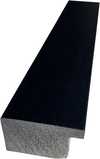
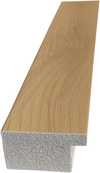
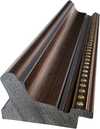
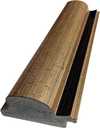
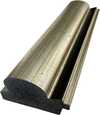
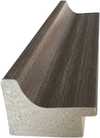
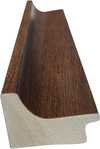
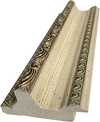
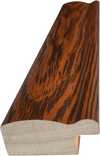
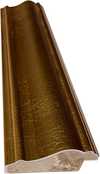
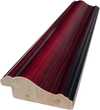
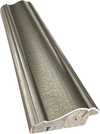
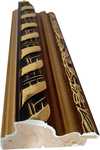

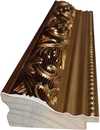
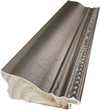
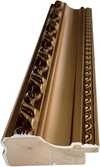

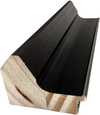
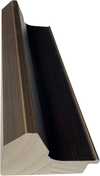
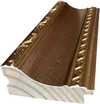
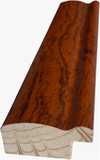
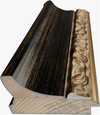
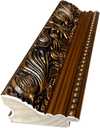
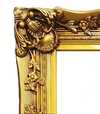
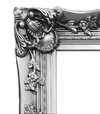
 Стъклото е налично само в размери под 110 см


