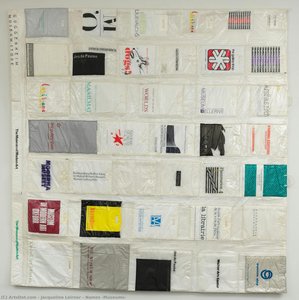
196.0 x 174.0 cm
 Barjeel Art Foundation
Ručně malovaná olejná barva na plátně ve vašem zvoleném rozměru i s rámem, vyrobená našimi umělci na zakázku. ( Koupit tisk Koupit obrázek)
Vyberte si z našich přednastavených velikostí, které odpovídají původním proporcím díla.

Můžete zadat vlastní rozměry pro konkrétní rám nebo prostor. Pokud se vámi vybraná velikost neshoduje s proporcemi původního obrazu, dílo buď ořízneme, nebo jej doplníme ručně malovanými prvky. Před zahájením výroby vám bude zaslán digitální náhled ke schválení.
Upozorňujeme, že náhled na obrazovce neodpovídá skutečnému ořezu ani rozšíření. Pouze digitální náhled přesně zobrazí finální kompozici.
Ačkoliv je možné zvolit vlastní velikost, pro zachování původních proporcí doporučujeme vybrat rozměr z předdefinovaného seznamu.
Celosvětová doprava () za 3–4 týdny namísto standardních 5 týdnů. (15 srpen). Bez kompromisů v kvalitě.


Sphere I
Rozměry reprodukce
Born in Constantine, Algeria, in 1971, Adel Abdessemed’s artistic journey is inextricably linked to the turbulent history of his homeland. Raised amidst the rugged landscapes of the Aurès Mountains – a region scarred by conflict and cultural suppression – he developed an acute awareness of violence, both personal and political. This formative experience profoundly shaped his approach to art, transforming it into a potent vehicle for confronting uncomfortable truths and challenging conventional notions of beauty and representation. His work isn’t merely about depicting brutality; it's about excavating the psychological and emotional residue left in its wake, forcing viewers to confront their own complicity and consider the lasting impact of trauma.
Abdessemed’s childhood was marked by a stifling atmosphere of cultural censorship under Algerian President Houari Boumédiène. The imposition of Arabic as the sole language of instruction in schools, coupled with the suppression of Berber traditions and identity, created an environment where artistic expression became a rare and precious commodity. Despite these constraints, Abdessemed found refuge in the École régionale des beaux-arts in Batna, a space that fostered creativity and provided a vital outlet for his burgeoning talent. He continued his studies at the École supérieure des beaux-arts in Algiers before fleeing Algeria in 1994, disillusioned by escalating political violence and the threat to his personal safety. This exodus marked a pivotal moment, propelling him towards France – a country that would become both a sanctuary and a source of inspiration.
France offered Abdessemed the freedom to develop his artistic vision without the constraints he had experienced in Algeria. He enrolled at the École nationale supérieure des beaux-arts in Lyon, embracing a diverse range of media – animation, installation, performance, sculpture, and video – often blurring the boundaries between these disciplines. His early work was characterized by a raw intensity and a willingness to tackle taboo subjects, including religious extremism, sexual violence, and the legacy of war. He spent time in Berlin and London before settling in Paris, establishing a studio that became a hub for experimentation and collaboration. This nomadic existence – moving between continents and cultures – profoundly influenced his artistic perspective, fostering a cosmopolitan sensibility and a deep understanding of global interconnectedness.
Abdessemed’s oeuvre is punctuated by several iconic works that have garnered significant attention. *Cri Cri* (2003), a haunting installation featuring a life-sized bronze sculpture of a young girl holding a severed head, powerfully evokes the trauma of war and the devastating impact on civilian populations. *Also Sprach Allah* (2006) – a series of photographs depicting scenes of violence in Algeria – confronts viewers with the brutal realities of political conflict. The monumental *Headbutt* (2012), a recreation of Zinedine Zidane’s infamous gesture during the 2006 World Cup Final, transforms a seemingly trivial sporting event into a potent symbol of aggression and uncontrolled rage. Beyond these specific images, Abdessemed consistently explores themes of identity, cultural tension, and the relationship between violence and representation. His work often juxtaposes familiar imagery with unsettling details, creating a sense of unease and prompting viewers to question their own assumptions about the world.
Adel Abdessemed’s art has been met with both acclaim and controversy. Critics have praised his willingness to confront difficult subjects, his innovative use of materials, and his ability to evoke powerful emotional responses. However, his work has also faced criticism for its graphic imagery and perceived exploitation of suffering. Despite these debates, Abdessemed remains a significant figure in contemporary art, recognized for his unflinching honesty and his commitment to challenging the status quo. His sculptures, installations, and videos serve as potent reminders of the ongoing violence that plagues our world and invite us to engage with the complexities of human experience.
His work is represented in numerous international collections, including the Centre Pompidou in Paris and the Magasin de Grenoble. Currently, Abdessemed is involved in a major project for the Geneva Opera House, further solidifying his position as an artist deeply engaged with the cultural landscape of our time.

1971 - , Algeria


Buďte na tahu s nejnovějšími novinkami ze světa umění, exkluzivními nabídkami a inspirativními nápady na dekoraci.
Sdělte nám více o svém projektu a naši odborníci na umění vám připraví 3 personalizované návrhy uměleckých děl.
Nechť pro vás vybereme 3 možnosti – zdarma!


 Náhled
 Sdílet
 Sdílet
 Podrobnosti o díle

 Stáhnout
 Podobné položky
 Rentgenové snímky
 Slideshow
 Zobrazit více




































 Skleněná varianta je dostupná pouze u rozměrů menších než 110 cm