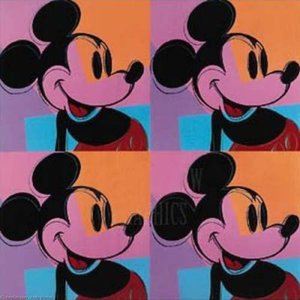
Giclée nebo plátěný tisk muzeální kvality s rychlou výrobou a flexibilními možnostmi povrchové úpravy. ( Přepnout na ručně malovanou reprodukci Přepnout na obrázek)
Vyberte si z našich přednastavených velikostí, které odpovídají původním proporcím díla.

Můžete zadat vlastní rozměry tak, aby výtvor odpovídal konkrétnímu rámu nebo prostoru. Pokud zvolená velikost nebude odpovídat poměru stran původního obrazu, dílo buď ořížeme, nebo obraz rozšíříme pomocí zrcadlového efektu či jednobarevného okraje. Před zahájením výroby vám bude zaslán digitální náhled k schválení.
Mějte prosím na paměti, že náhled na obrazovce neodráží skutečné oříznutí nebo rozšíření. Pouze digitální náhled přesně zobrazí finální kompozici.
Ačkoliv jsou k dispozici i vlastní rozměry, pro zachování původních proporcí doporučujeme vybrat si rozměr z předdefinovaného seznamu.
Celosvětové doručení () do 2 týdnů namísto standardních 4/5 týdnů. (11 srpen)


Telephone
Rozměry reprodukce
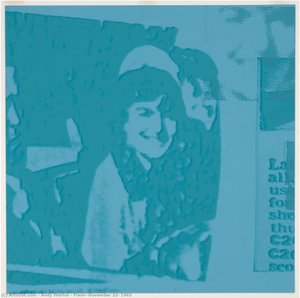
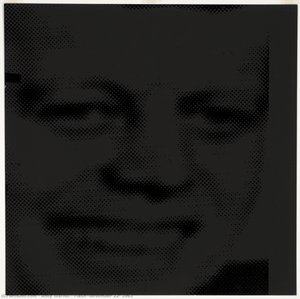
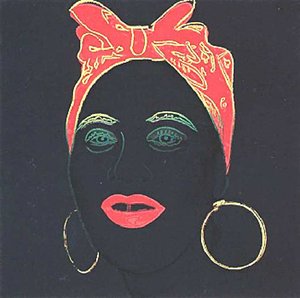
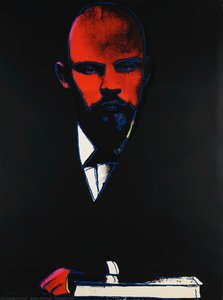
Andy Warhol, rozený Andrew Warhola Jr. v roce 1928 ve stínu průmyslového srdce Pittsburghu v Pensylvánii, byl postava předurčená k přepsání hranic umění a slávy. Jeho raný život nesl pečeť těžkostí i rozvíjející se kreativity. Dětská nemoc, Sydenhamova chorea – často nazývaná svatého Víta tanec – ho na dlouhá období uvězňovala v posteli, čímž podpořila intenzivní vnitřní svět, kde se umělecké vyjádření stalo životně důležitým únikem. Toto období však nebylo obdobím izolace; jeho matka pěstovala jeho talent výtvarnými potřebami a stálým proudem populárních obrazů – komiksových knih a filmových časopisů –, které se později staly základním kamenem jeho ikonického stylu. Vynikal na Carnegieho institutu technologie, kde v roce 1949 získal titul z grafického designu, než vyrazil do New Yorku s ambicí etablovat se jako komerční ilustrátor. Tento počáteční vstup do světa reklamy a časopisů byl zásadní, zdokonaloval jeho dovednosti v vizuální komunikaci a vštěpoval mu hluboké porozumění masové produkci – prvky, které se staly ústředními principy jeho umělecké filozofie. Jeho výrazné linkové kresby si rychle získaly uznání, zajistily mu úspěch ve módních publikacích a vytvořily pověst jedinečné estetické citlivosti.
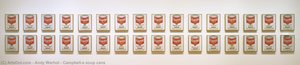
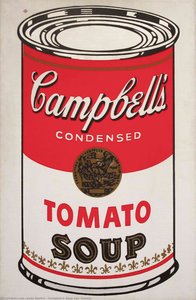
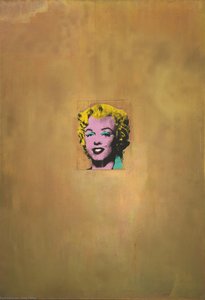
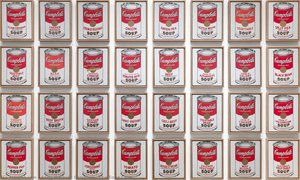
Do 60. let se Warhol začal vzpírat hranicím komerčního umění, vynikl jako klíčová postava rozvíjejícího se hnutí Pop Artu. Byl to revoluční okamžik v dějinách umění, který zpochybňoval tradiční představy o tom, co tvořilo „vysoké“ umění, a přijímal populární kulturu – reklamu, komiksy a masově vyráběné předměty – jako legitimní předměty uměleckého zkoumání. Warhol se těmito prvky jen nezabýval; povznášel je, proměňoval každodenní předměty v ikonické symboly amerického konzumerismu. Jeho průlomová díla tohoto období, jako například Campbellovy polévkové konzervy (1962) a Marilyn Diptych (1962), nebyly pouhé obrazy; byly to prohlášení o všudypřítomném vlivu masových médií a komodifikaci obrazu. Technika sítotisku, kterou přijal, byla v tomto procesu zásadní, umožňovala mechanickou reprodukci obrazů – záměrné zrcadlení konzumní kultury, kterou tak bystře pozoroval. Tato metoda nebyla jen technická volba; byla to konceptuální volba, zdůrazňující opakování, standardizaci a rozmazávání hranic mezi uměním a produkcí. Centrálním bodem Warholova uměleckého vesmíru byla „Factory“, jeho studio v New Yorku. Factory nebyla jen pracoviště; stala se pulzujícím centrem pro umělce, hudebníky, filmaře, společenskou smetánku a každého, kdo byl přitahován její atmosférou experimentování a spolupráce. Byla to scéna – líhně nových nápadů a svědectví Warholova přesvědčení, že by umění mělo být přístupné a zapojené do okolního světa.
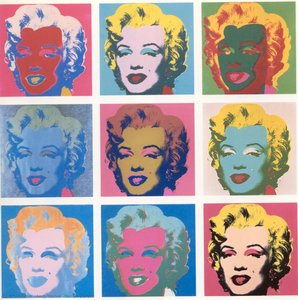
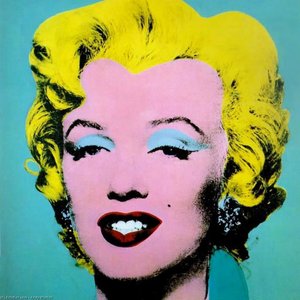
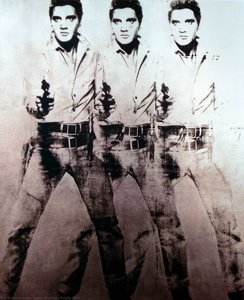
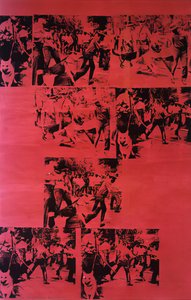
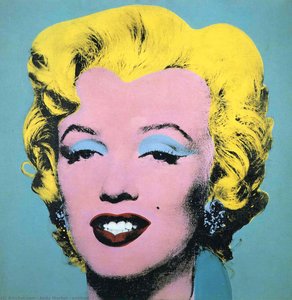
Warholova umělecká vize se rozšířila za hranice spotřebního zboží a zahrnovala oblasti slávy, smrti a katastrofy – témata, která hluboce rezonovala v měnící se kulturní krajině 60. a 70. let. Jeho portréty ikonických postav, jako Marilyn Monroe, Elvis Presley a Elizabeth Taylor, nebyly jen lichotivé reprezentace; byly to zkoumání slávy, obrazu a často křehké povahy celebrit. Zachytil nejen jejich podoby, ale také auru kolem nich – uměle vytvořený lesk a skrytá zranitelnost. Současně se postavil temnější stránce americké společnosti svou sérií „Katastrofy“, zobrazující obrazy autonehod, elektrických židlí a nepokojů. Tato díla byla znepokojivá a provokativní, nutila diváky konfrontovat nepříjemné pravdy o násilí a smrtelnosti. Nenabízel komentář v tradičním smyslu; spíše prezentoval tyto obrazy odtažitě objektivně, ponechávaje divákovi možnost vyvodit vlastní závěry. Tento přístup – často charakterizovaný opakováním a výraznými barvami – vytvářel úžasné vizuální efekty, které byly zároveň podmanivé i znepokojující. Kromě malby se Warhol pustil do filmování a produkoval experimentální díla jako Sleep (1963) a Chelsea Girls (1966), která dále posouvala hranice uměleckého vyjádření. Spolupracoval také s The Velvet Underground, navrhl jejich ikonický obal alba s banánem – svědectví jeho vlivu sahajícího za hranice výtvarného světa do hudby a populární kultury.
Warholův dopad na svět umění je neměřitelný. Zpochybnil konvenční definice umění, rozmazal hranice mezi vysokou a nízkou kulturou a připravil cestu pro nová umělecká hnutí, jako je konceptualismus a performance art. Jeho zkoumání konzumerismu, kultury slávy a masových médií rezonuje s publikem dodnes, protože tato témata zůstávají ústředními prvky současné společnosti. Warhol nebyl jen umělec; byl to kulturní fenomén – vizionář, který rozuměl síle obrazu a jeho schopnosti formovat vnímání. Otevřeně přijal svou identitu jako gay muž v době, kdy byla taková otevřenost vzácná, stal se symbolem osvobození a zpochybňoval společenské normy. Jeho vliv je vidět v nesčetných oblastech, od současného umění a módy po hudbu a film. Hlavní muzea po celém světě – včetně Andy Warhol Museum v jeho rodném Pittsburghu – vystavují jeho díla a zajišťují, že jeho odkaz bude i nadále inspirovat a provokovat generace umělců a diváků. Zásadně změnil způsob, jakým myslíme o umění, proměnil ho z vznešeného úsilí v něco přístupného, demokratického a hluboce propojeného s každodenními zážitky moderního života. Jeho tvrzení, že „každý bude slavný na 15 minut“, zůstává děsivě prorocké v našem věku sociálních médií a okamžité slávy – svědectví jeho trvalého vhledu do lidské kondice a neustále se vyvíjející povahy slávy.
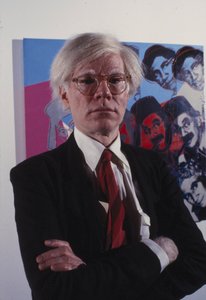
1928 - 1987 , Spojené státy americké
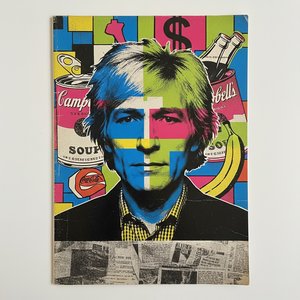
Explore the revolutionary art of Andy Warhol & the Pop Art movement. Discover his iconic techniques, cultural impact, and investment potential. A guide for discerning collectors.
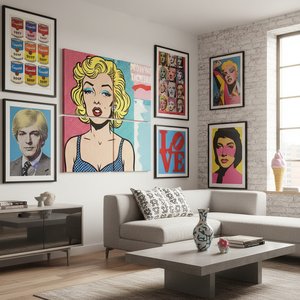
Prozkoumejte 10 ikonických děl Pop Artu od Andyho Warhola, Roye Lichtensteina a dalších. Objevte příběhy za slavnými obrazy, techniky a barevné revoluce tohoto uměleckého hnutí. Reprodukce obrazů nejvyšší kvality na BuyPopArt.com.
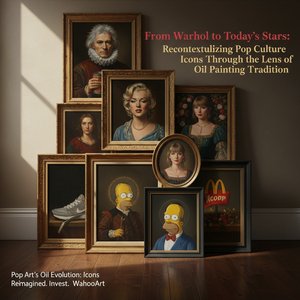
Explore the captivating evolution of Pop Art through oil painting! Discover contemporary artists reinterpreting iconic imagery & invest in museum-quality reproductions. Expert art consultation at BuyPopArt.
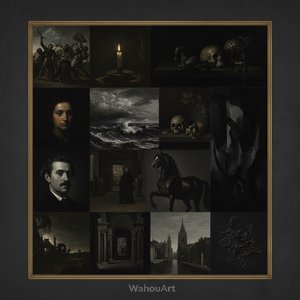
Prozkoumejte 10 nejikoničtějších obrazů v odstínech černé od Rembrandta po Van Gogha. Objevte příběhy umění, techniky a inspiraci pro váš interiér s BuyPopArt.com – reprodukce obrazů prvotřídní kvality.
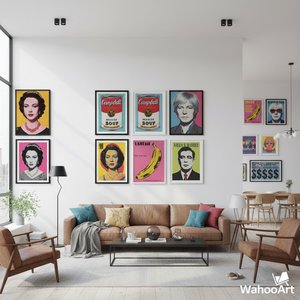
Prozkoumejte 25 ikonických děl Andyho Warhola – od Marilyn Monroe po Campbell's Soup Cans. Objevte příběhy za pop artovými legendami a inspirujte se pro váš interiér s reprodukcemi nejvyšší kvality na BuyPopArt.com.


Buďte na tahu s nejnovějšími novinkami ze světa umění, exkluzivními nabídkami a inspirativními nápady na dekoraci.
Sdělte nám více o svém projektu a naši odborníci na umění vám připraví 3 personalizované návrhy uměleckých děl.
Nechť pro vás vybereme 3 možnosti – zdarma!


 Náhled
 Sdílet
 Sdílet
 Podrobnosti o díle

 Stáhnout
 Podobné položky
 Rentgenové snímky
 Slideshow
 Zobrazit více




































 Skleněná varianta je dostupná pouze u rozměrů menších než 110 cm