1795
1795 4.0 x 3.0 cm
Ručně malovaná olejná barva na plátně ve vašem zvoleném rozměru i s rámem, vyrobená našimi umělci na zakázku. ( Koupit tisk Koupit obrázek)
Vyberte si z našich přednastavených velikostí, které odpovídají původním proporcím díla.

Můžete zadat vlastní rozměry pro konkrétní rám nebo prostor. Pokud se vámi vybraná velikost neshoduje s proporcemi původního obrazu, dílo buď ořízneme, nebo jej doplníme ručně malovanými prvky. Před zahájením výroby vám bude zaslán digitální náhled ke schválení.
Upozorňujeme, že náhled na obrazovce neodpovídá skutečnému ořezu ani rozšíření. Pouze digitální náhled přesně zobrazí finální kompozici.
Ačkoliv je možné zvolit vlastní velikost, pro zachování původních proporcí doporučujeme vybrat rozměr z předdefinovaného seznamu.
Celosvětová doprava () za 3–4 týdny namísto standardních 5 týdnů. (16 srpen). Bez kompromisů v kvalitě.


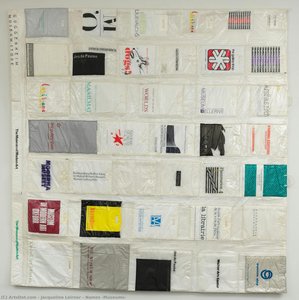
Memorial Brooch
Rozměry reprodukce
Anstiss Stone, a name perhaps unfamiliar to many, represents a fascinating intersection of American enterprise, global trade, and the burgeoning collecting spirit of the 19th century. Born in St. Albans, Vermont, in 1778 – though some sources cite 1801 – Stone’s life was not one spent at an easel or sculpting marble, but rather navigating the complex currents of international commerce as a prominent Old China Trade merchant. His story is less about artistic creation and more about discerning taste, shrewd business acumen, and the cultural exchange facilitated by the expanding world economy.
Stone’s early career laid the foundation for his future success. Educated at Cheshire Academy in Connecticut, he entered the mercantile world in 1815 with Edward Carrington & Company in Providence, Rhode Island. This initial foray into trade proved formative, but a twist of fate – being stranded in Valparaíso, Chile, in 1823 – propelled him towards new opportunities. He secured employment with Richard Alsop of Middletown, Connecticut, and subsequently formed a partnership with John Cryder of Philadelphia in 1825. Though successful, Stone retired from this venture by 1829, seeking perhaps a different trajectory for his ambitions.
The pivotal moment arrived in 1833 when health concerns led him to Canton, China. There, he assumed a partnership in Dunn & Company, and it was here that the core of Stone’s legacy began to take shape. He forged a strong bond with Joseph Archer, a junior partner, and together they established Wetmore & Company – a mercantile house destined to become one of the largest in the East Indies.
The ledgers of Wetmore & Company, spanning 1834-1839, reveal a diverse portfolio. While tea dominated their trade – along with essential ‘tea papers’ for financial transactions – silks and spices were also central to their operations. Lesser cargoes included wines, ports, opium (though Stone himself opposed the practice), hemp, pearl buttons, copper, and even coffee. Beyond goods, they facilitated the movement of foreign currencies and remarkably, delivered Sunday newspapers, demonstrating a commitment to connecting disparate worlds.
The company’s efficiency was aided by the use of ‘fast boats,’ employed for swift passage of both people and correspondence. This logistical prowess allowed Wetmore & Company to thrive, becoming a significant player in the East Indies trade network. However, Stone's story extends beyond mere commerce; it is interwoven with the lives of other influential figures like George Peabody, a Maryland merchant who later revolutionized banking in London.
During his time in the Far East, Stone developed a keen appreciation for Chinese art and culture. He amassed a remarkable collection of objects, porcelains, and china, which he subsequently imported back to America. This act wasn't simply about acquiring luxury goods; it represented an early form of cultural exchange, bringing the artistry of China to American audiences.
Stone’s later life saw him revisit his partnership with Cryder in 1844, forming Wetmore and Cryder in New York City before retiring again in 1847. He ultimately settled in Newport, Rhode Island, having accumulated substantial wealth – estimated at over a million dollars – including vast land holdings in Ohio and Tennessee. While not an artist himself, Anstiss Stone’s influence lies in his role as a conduit for cultural exchange, a successful entrepreneur who fostered connections between East and West, and a discerning collector whose acquisitions contributed to the growing appreciation of Chinese art in America.
His story serves as a reminder that patronage and trade can be powerful forces in shaping artistic landscapes, even when those involved are not artists themselves. Stone’s legacy is one of bridging continents, fostering commerce, and bringing the beauty of another world to American shores.

1778 - 1807 , United States of America


Buďte na tahu s nejnovějšími novinkami ze světa umění, exkluzivními nabídkami a inspirativními nápady na dekoraci.
Sdělte nám více o svém projektu a naši odborníci na umění vám připraví 3 personalizované návrhy uměleckých děl.
Nechť pro vás vybereme 3 možnosti – zdarma!


 Náhled
 Sdílet
 Sdílet
 Podrobnosti o díle

 Stáhnout
 Podobné položky
 Rentgenové snímky
 Slideshow
 Zobrazit více




































 Skleněná varianta je dostupná pouze u rozměrů menších než 110 cm