

 Acrylic On CanvasWallArtModernism
 1971
1971 76.0 x 54.0 cm
 The Hepworth Wakefield
Giclée nebo plátěný tisk muzeální kvality s rychlou výrobou a flexibilními možnostmi povrchové úpravy. ( Přepnout na ručně malovanou reprodukci Přepnout na obrázek)





























Vyberte si z našich přednastavených velikostí, které odpovídají původním proporcím díla.

Můžete zadat vlastní rozměry tak, aby výtvor odpovídal konkrétnímu rámu nebo prostoru. Pokud zvolená velikost nebude odpovídat poměru stran původního obrazu, dílo buď ořížeme, nebo obraz rozšíříme pomocí zrcadlového efektu či jednobarevného okraje. Před zahájením výroby vám bude zaslán digitální náhled k schválení.
Mějte prosím na paměti, že náhled na obrazovce neodráží skutečné oříznutí nebo rozšíření. Pouze digitální náhled přesně zobrazí finální kompozici.
Ačkoliv jsou k dispozici i vlastní rozměry, pro zachování původních proporcí doporučujeme vybrat si rozměr z předdefinovaného seznamu.
Celosvětové doručení () do 2 týdnů namísto standardních 4/5 týdnů. (3 srpen)


Delos
Rozměry reprodukce
Barbara Hepworth’s “Delos,” created in 1971, is more than just a painting; it's an invitation to contemplate the relationship between solidity and emptiness, form and space. The work immediately draws the eye with its striking palette of yellows and blacks – a deliberate contrast that speaks volumes about the artist’s core concerns. The dominant yellow, reminiscent of sun-drenched stone or aged parchment, provides a warm, almost luminous backdrop for the carefully sculpted voids represented by the stark black circles. These aren't merely decorative elements; they are crucial to understanding Hepworth’s intention – to suggest a profound sense of absence and the inherent tension within any form.
Hepworth, a pivotal figure in 20th-century British art, was deeply influenced by both European modernism and her own experiences with sculpture. Her work moved beyond representational imagery, seeking instead to capture essential qualities – weight, texture, and the dynamic interplay of positive and negative space. “Delos” echoes this approach, translating the tactile experience of three-dimensional form into a two-dimensional plane. The painting’s genesis lies partly in Hepworth's fascination with Greek mythology, particularly the island of Delos, sacred to Apollo and Artemis and renowned for its ancient ruins. The title itself acts as a direct reference to this historical and symbolic significance, grounding the abstract composition within a rich cultural context.
The painting’s technique is deceptively simple yet remarkably sophisticated. Hepworth employed a layered approach, building up the yellow ground with thin washes of color to create subtle tonal variations. The black circles are not painted directly onto the surface; rather, they appear as carefully applied areas of concentrated pigment, suggesting a deliberate process of carving or subtraction. This technique reinforces the idea of form emerging from void – a central theme in Hepworth’s oeuvre. The placement of the circles is equally important. The largest circle dominates the center of the composition, acting as a visual anchor and drawing the eye inward. Smaller circles are strategically positioned around it, creating a dynamic balance between stability and movement.
Hepworth's use of color is particularly noteworthy. The yellow isn’t a bright, cheerful hue; it possesses a muted quality, hinting at age and weathering – qualities that resonate with the ancient ruins of Delos itself. The black circles, conversely, are intensely dark, creating a powerful contrast that demands attention. This interplay of light and shadow generates a sense of depth and volume, inviting the viewer to explore the painting’s surface and contemplate its hidden dimensions.
Beyond its formal qualities, “Delos” is imbued with a profound sense of symbolism. The circles can be interpreted as representing the absence of something – perhaps loss, memory, or the unknowable mysteries of the universe. They also evoke the idea of holes or voids within forms, suggesting that even the most solid and substantial objects are ultimately defined by their emptiness. This concept aligns with Hepworth’s broader exploration of the relationship between form and space, a theme she consistently revisited throughout her career.
The painting's emotional impact is subtle yet deeply affecting. It doesn’t offer easy answers or explicit narratives; instead, it invites contemplation and introspection. There’s a sense of quiet melancholy, a recognition of the transient nature of existence, and a profound appreciation for the beauty that can be found in emptiness. “Delos” ultimately serves as a reminder that true understanding often arises not from filling every space with detail, but from embracing the power of suggestion and allowing the mind to complete the picture.
Barbara Hepworth’s “Delos” stands as a testament to her pioneering spirit and her profound insights into the nature of art. It's a work that transcends its simple composition, offering viewers a glimpse into the artist’s inner world and inviting them to engage in a dialogue with timeless themes of form, space, and existence. Reproductions of this piece offer an accessible way to experience Hepworth’s vision, bringing her evocative exploration of emptiness and solidity into any interior space – a reminder that sometimes, the most powerful art is found not in what is shown, but in what is left unsaid.

1903 - 1975 , Spojené království
Prozkoumejte 25 ikonických děl z Metropolitního muzea v New Yorku! Objevte příběhy Van Gogha, Moneta a dalších mistrů. Reprodukce obrazů pro váš interiér na BuyPopArt.com.
Prozkoumejte 25 ikonických děl Wassily Kandinského – průkopníka abstraktního umění a expresionismu. Objevte příběhy za barevnými kompozicemi, Bauhaus styl a inspirujte se pro váš interiér s reprodukcemi nejvyšší kvality na BuyPopArt.com.
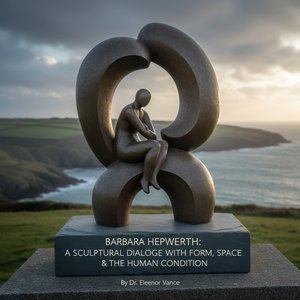
Explore the profound world of Barbara Hepworth's sculpture. Discover her artistic evolution, iconic forms, and lasting influence on modern art. A guide for collectors & enthusiasts.
Objevte 10 legendárních bronzových soch od Michelangela, Rodina a dalších mistrů! Ponořte se do historie umění, technik a příběhů za těmito nadčasovými díly. Najděte inspiraci pro váš interiér s BuyPopArt.com – repliky nejvyšší kvality.

Prozkoumejte 10 ikonických děl geometrické abstrakce od Mondriana, Maleviče a Kandinského. Objevte příběhy umělců, techniky a historii tohoto revolučního hnutí. Najděte inspiraci pro moderní dekorace a luxusní reprodukce obrazů na BuyPopArt.com.


Buďte na tahu s nejnovějšími novinkami ze světa umění, exkluzivními nabídkami a inspirativními nápady na dekoraci.
Sdělte nám více o svém projektu a naši odborníci na umění vám připraví 3 personalizované návrhy uměleckých děl.
Nechť pro vás vybereme 3 možnosti – zdarma!


 Náhled
 Sdílet
 Sdílet
 Podrobnosti o díle

 Stáhnout
 Podobné položky
 Rentgenové snímky
 Slideshow
 Zobrazit více







 Skleněná varianta je dostupná pouze u rozměrů menších než 110 cm


