


Giclée nebo plátěný tisk muzeální kvality s rychlou výrobou a flexibilními možnostmi povrchové úpravy. ( Přepnout na ručně malovanou reprodukci Přepnout na obrázek)





























Vyberte si z našich přednastavených velikostí, které odpovídají původním proporcím díla.

Můžete zadat vlastní rozměry tak, aby výtvor odpovídal konkrétnímu rámu nebo prostoru. Pokud zvolená velikost nebude odpovídat poměru stran původního obrazu, dílo buď ořížeme, nebo obraz rozšíříme pomocí zrcadlového efektu či jednobarevného okraje. Před zahájením výroby vám bude zaslán digitální náhled k schválení.
Mějte prosím na paměti, že náhled na obrazovce neodráží skutečné oříznutí nebo rozšíření. Pouze digitální náhled přesně zobrazí finální kompozici.
Ačkoliv jsou k dispozici i vlastní rozměry, pro zachování původních proporcí doporučujeme vybrat si rozměr z předdefinovaného seznamu.
Celosvětové doručení () do 2 týdnů namísto standardních 4/5 týdnů. (2 srpen)


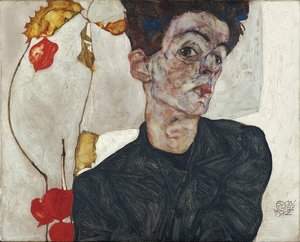
The Brother
Rozměry reprodukce
Egon Schiele’s “The Brother,” painted in 1911, stands as a poignant testament to the artist's preoccupation with themes of intimacy, loss, and the inescapable confrontation with death—a characteristic hallmark of Expressionist art. This arresting watercolor depicts two figures seated closely together, their faces turned towards each other in an unspoken exchange of gaze. The man’s posture exudes quiet contemplation, while his eyes are fixed on the woman beside him who is enveloped in repose.
Vienna during Schiele’s time was a crucible of artistic innovation, fueled by intellectual currents questioning traditional values and embracing psychological exploration. The Expressionist movement sought to convey inner emotional states rather than external appearances—a reaction against Impressionism's focus on capturing fleeting moments of beauty. Schiele’s work aligns perfectly with this broader artistic ethos, reflecting the anxieties and uncertainties of a generation grappling with societal upheaval.
The inclusion of a figure representing death—often interpreted as a stylized monk—is arguably the painting's most striking symbolic element. This depiction isn’t merely gruesome; it serves as a visual representation of mortality and its inescapable influence on human experience. The woman’s closed eyes symbolize acceptance, perhaps even surrender to the inevitable, while the man’s gaze suggests an attempt to comprehend this profound reality.
"The Brother" transcends mere visual depiction; it evokes a palpable sense of melancholy and introspection. Schiele skillfully captures the unspoken tension between intimacy and fear—the awareness that even in moments of closeness, death looms as an ever-present shadow. The painting’s subdued palette and expressive brushstrokes invite contemplation on themes of loss, vulnerability, and the human condition—a timeless exploration of existential concerns that continues to resonate with audiences today.
1890 - 1918 , Rakousko
Prozkoumejte top 25 děl Egona Schieleho – mistra expresionismu. Obdivujte portréty, akvarely a kresby plné emocí a psychologické hloubky. Reprodukce obrazů s BuyPopArt pro váš interiér. Discover all masterpieces on BuyPopArt.com

Discover the revolutionary Vienna Secession art movement! Explore Klimt, Olbrich & more. Learn about its history, characteristics & lasting influence on modern art. High-quality reproductions available.

Prozkoumejte 10 ikonických děl expresionismu od Muncha, van Gogha a dalších. Objevte příběhy umělců, techniky a emoce v obrazech. Reprodukce obrazů nejvyšší kvality na BuyPopArt.com – inspirace pro váš interiér! Prohlédněte si celou kolekci online.
Explore the captivating world of Beatrice Parsons, a pioneering British abstract expressionist. Discover her journey from garden watercolors to evocative color field paintings and learn about her place within art history.

Prozkoumejte 25 ikonických děl z Kunsthistorisches Museum ve Vídni! Obrazy od Raphaela, Rembrandta a Vermeera ožívají. Inspirace pro váš interiér s reprodukcemi nejvyšší kvality na BuyPopArt.com. Objevte celou sbírku online!


Buďte na tahu s nejnovějšími novinkami ze světa umění, exkluzivními nabídkami a inspirativními nápady na dekoraci.
Sdělte nám více o svém projektu a naši odborníci na umění vám připraví 3 personalizované návrhy uměleckých děl.
Nechť pro vás vybereme 3 možnosti – zdarma!


 Náhled
 Sdílet
 Sdílet
 Podrobnosti o díle

 Stáhnout
 Podobné položky
 Rentgenové snímky
 Slideshow

 Zobrazit více







 Skleněná varianta je dostupná pouze u rozměrů menších než 110 cm


