

Giclée nebo plátěný tisk muzeální kvality s rychlou výrobou a flexibilními možnostmi povrchové úpravy. ( Koupit ručně malovaný obraz Koupit obrázek)





























Vyberte si z našich přednastavených velikostí, které odpovídají původním proporcím díla.

Můžete zadat vlastní rozměry tak, aby výtvor odpovídal konkrétnímu rámu nebo prostoru. Pokud zvolená velikost nebude odpovídat poměru stran původního obrazu, dílo buď ořížeme, nebo obraz rozšíříme pomocí zrcadlového efektu či jednobarevného okraje. Před zahájením výroby vám bude zaslán digitální náhled k schválení.
Mějte prosím na paměti, že náhled na obrazovce neodráží skutečné oříznutí nebo rozšíření. Pouze digitální náhled přesně zobrazí finální kompozici.
Ačkoliv jsou k dispozici i vlastní rozměry, pro zachování původních proporcí doporučujeme vybrat si rozměr z předdefinovaného seznamu.
Celosvětové doručení () do 2 týdnů namísto standardních 4/5 týdnů. (18 srpen)


untitled (6596)
Rozměry reprodukce
This profoundly moving work by Egon Schiele is a masterclass in Expressionist portraiture, capturing a raw and unsettling depiction of childhood vulnerability. More than just a representation, it’s an evocation of feeling – fragility, isolation, and perhaps even suffering – rendered with striking honesty.
The artwork centers on a young child, seated and posed in a manner that suggests both resignation and physical exhaustion. The figure’s emaciated form is immediately arresting, hinting at hardship, illness, or profound deprivation. This isn't merely a portrait of a person; it’s a symbolic representation of innocence lost, the impact of societal struggles, and the universal experience of human suffering. The simplicity of the composition – focusing solely on the child against a stark background – amplifies this emotional weight, forcing direct engagement with their plight.
Schiele’s signature Expressionist style is powerfully evident in this piece. He rejects traditional representational techniques in favor of distorted forms and emotionally charged lines. Executed primarily in pastel or chalk on paper, the artwork showcases a visible texture that adds to its immediacy and intensity. Loose, gestural strokes define the figure, prioritizing emotional impact over precise detail. The angularity of the body contrasts with softer facial features, creating a dynamic tension that reflects the subject’s inner turmoil.
The limited color palette – dominated by earthy tones of ochre, orange-brown, and pale flesh tones – reinforces the somber mood. These muted hues avoid distraction, drawing all attention to the child's physical state and emotional expression. The composition itself is deliberately unbalanced; the figure’s off-center placement contributes to a sense of instability mirroring their precarious condition. Diagonal lines created by the extended arm and leg add dynamism but also heighten the feeling of unease.
Created during a period of significant social and political upheaval, Schiele's work reflects the anxieties and disillusionment of early 20th-century Europe. As a pivotal figure in Austrian Expressionism, alongside Gustav Klimt and Oskar Kokoschka, he challenged artistic conventions and explored taboo subjects with unflinching honesty. His bold exploration of psychological themes and unique line work continue to influence artists today.
This artwork is more than just a visual statement; it’s an invitation for contemplation. A reproduction of this piece would serve as a powerful focal point in any interior, adding depth, complexity, and emotional resonance. Its muted palette complements both modern and traditional settings, while its thought-provoking subject matter sparks conversation and introspection. Ideal for collectors seeking impactful works or designers aiming to create spaces that evoke feeling, this Schiele masterpiece offers enduring artistic value.
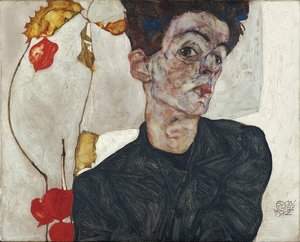
1890 - 1918 , Rakousko

Master the art of texture with our ultimate guide to pastel art. Discover how to select high-impact, soft-textured pieces that transform modern interiors, from hand-painted masterpieces to custom AI-remixed portraits. Elevate your space with expert curation and bold design.

Explore the most iconic melancholy figures in contemporary art. From Schiele's raw expressionism to Munch's emotional depth, discover how moody, soulful masterpieces can transform your modern space with high-impact, hand-painted aesthetic excellence.

Unleash raw emotion in your space. Explore the high-impact world of Expressionism through BuyPopArt.com’s premium hand-painted oil reproductions and custom photo transformations. Bold, confident, and curated for those who live for visual impact. Shop the revolution today!

Dive into the raw, visceral world of Figurative Expressionism. Explore how icons like Schiele and Bacon use bold textures and intense human forms to redefine modern aesthetics. Discover high-impact art that brings unapologetic energy and emotional depth to your contemporary space.


Buďte na tahu s nejnovějšími novinkami ze světa umění, exkluzivními nabídkami a inspirativními nápady na dekoraci.
Sdělte nám více o svém projektu a naši odborníci na umění vám připraví 3 personalizované návrhy uměleckých děl.
Nechť pro vás vybereme 3 možnosti – zdarma!


 Náhled
 Sdílet
 Sdílet
 Podrobnosti o díle

 Stáhnout
 Podobné položky
 Rentgenové snímky
 Slideshow

 Zobrazit více







 Skleněná varianta je dostupná pouze u rozměrů menších než 110 cm


