Romare Bearden: A Tapestry of American Experience
Romare Howard Bearden, born September 2, 1911, in Charlotte, North Carolina, and passing away March 12, 1988, in New York City, was more than just an artist; he was a chronicler of the Black experience in America. His life unfolded as a rich tapestry woven with threads of social work, artistic exploration, and profound personal reflection. From his early years navigating the segregated South to his later career as a celebrated visual storyteller, Bearden’s journey is inextricably linked to the history and culture he so powerfully depicted. He began his formal education at Lincoln University in Pennsylvania, but transferred to Boston University and ultimately completed his degree at New York University (NYU), where he honed his skills as a cartoonist and art editor for student publications – experiences that would profoundly shape his later artistic vision. Bearden’s early career involved working as a social worker with the New York City Department of Social Services, a role that provided him with invaluable insight into the realities faced by marginalized communities, informing many of his works with empathy and understanding. This dual life—artist and advocate—created a unique perspective, allowing him to blend personal observation with artistic expression.
- Early Influences: Bearden’s artistic development was deeply rooted in the diverse influences he encountered throughout his life. He drew inspiration from Western masters like Duccio, Giotto, and Matisse, alongside a fervent appreciation for African art – particularly its sculptures, masks, and textiles. This synthesis of European tradition and African heritage became a defining characteristic of his work.
- The Harlem Renaissance: Bearden was deeply connected to the Harlem Renaissance, a vibrant cultural movement that celebrated Black identity and creativity. He participated in the Harlem Artists Guild, absorbing the energy and spirit of this era and carrying its legacy forward through his art.
- Collage as Medium: Bearden’s most recognizable technique was collage—a process he embraced with remarkable innovation. He skillfully combined disparate elements – photographs, newspapers, fabrics, and painted surfaces – to create layered compositions that evoked memory, emotion, and social commentary.
The Language of Memory and Myth
Bearden’s art is not simply a representation of the world; it's an exploration of memory, myth, and the complexities of Black identity. His collages frequently depict scenes from American history—the Great Migration, jazz performances, and everyday life in Harlem—but always filtered through a distinctly personal lens. He didn’t merely record events; he reconstructed them, layering fragments of experience to create evocative narratives that resonated with both historical significance and emotional depth. His work is rich in symbolism, drawing on African motifs, biblical imagery, and the rhythms of jazz music to convey profound meanings. The recurring presence of figures dancing, celebrating, or mourning speaks to the resilience and spirit of the Black community. Bearden’s use of color—bold reds, yellows, and blues—adds to the vibrancy and emotional intensity of his compositions.
- Jazz as Inspiration: Jazz music played a central role in Bearden's artistic process. He often incorporated musical notation, rhythms, and improvisational elements into his collages, reflecting the dynamic energy and improvisational spirit of jazz.
- Mythological Allusions: Bearden frequently drew upon African mythology and folklore, weaving these narratives into his work to explore themes of identity, spirituality, and cultural heritage.
- The Fragmented Narrative: A key element of Bearden’s style is the fragmented nature of his compositions. He deliberately broke down traditional narrative structures, presenting viewers with a series of interconnected images that invite interpretation and contemplation.
A Legacy of Innovation and Social Commentary
Throughout his career, Bearden achieved significant recognition for his artistic contributions. His first solo exhibition in Harlem in 1940 marked a pivotal moment in his career, while his Washington, D.C., show in 1944 further solidified his reputation as a rising star. He continued to exhibit internationally throughout the mid-20th century, establishing himself as one of America’s leading artists. Beyond his artistic achievements, Bearden was deeply committed to social justice and community engagement. His work with the Harlem Cultural Council demonstrated his dedication to supporting young, emerging Black artists and fostering cultural development within the African American community. His legacy extends beyond individual artworks; he helped establish institutions like The Studio Museum in Harlem and Cinque Gallery, providing vital platforms for Black artists and promoting cross-cultural understanding.
Key Achievements:
- First solo exhibition in Harlem (1940)
- Solo exhibition in Washington, D.C. (1944)
- Appointment as the first art director of the Harlem Cultural Council (1964)
- Establishment of Cinque Gallery with Norman Lewis and Ernest Crichlow
The Enduring Power of a Visual Storyteller
Romare Bearden’s artistic legacy continues to resonate today. His collages, watercolors, oils, photomontages, and prints offer a powerful testament to the richness and complexity of Black American experience. His work is not merely aesthetically pleasing; it's a profound reflection on history, identity, memory, and the enduring spirit of a community. Bearden’s innovative use of collage, combined with his deep understanding of social issues and cultural traditions, cemented his place as one of the most important artists of the 20th century—a visual storyteller whose work continues to inspire and challenge viewers around the world. His life's work serves as a reminder of the power of art to illuminate the human condition and foster empathy across cultures.



 Objednat reprodukci
 Sdílet
 Podrobnosti o díle
 Přidat do oblíbených
 Stáhnout
 Podobné položky
 Rentgenové snímky
 Slideshow
 130.0 x 162.0 cm






 Sdílet

 Zobrazit více






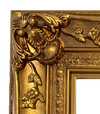
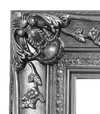
 Skleněná varianta je dostupná pouze u rozměrů menších než 110 cm


