

Giclée nebo plátěný tisk muzeální kvality s rychlou výrobou a flexibilními možnostmi povrchové úpravy. ( Koupit ručně malovaný obraz Koupit obrázek)





























Vyberte si z našich přednastavených velikostí, které odpovídají původním proporcím díla.

Můžete zadat vlastní rozměry tak, aby výtvor odpovídal konkrétnímu rámu nebo prostoru. Pokud zvolená velikost nebude odpovídat poměru stran původního obrazu, dílo buď ořížeme, nebo obraz rozšíříme pomocí zrcadlového efektu či jednobarevného okraje. Před zahájením výroby vám bude zaslán digitální náhled k schválení.
Mějte prosím na paměti, že náhled na obrazovce neodráží skutečné oříznutí nebo rozšíření. Pouze digitální náhled přesně zobrazí finální kompozici.
Ačkoliv jsou k dispozici i vlastní rozměry, pro zachování původních proporcí doporučujeme vybrat si rozměr z předdefinovaného seznamu.
Celosvětové doručení () do 2 týdnů namísto standardních 4/5 týdnů. (12 srpen)


A Comanche
Rozměry reprodukce
Frederic Remington’s “A Comanche” (1888) is more than just a depiction of a Native American warrior and his horse; it's a poignant snapshot of a rapidly disappearing world. Painted during a period of intense fascination with the American West, this work captures the essence of the frontier – its rugged beauty, its inherent danger, and the complex relationship between European settlers and the indigenous populations who called it home. The painting’s immediate impact lies in its powerful composition: the imposing presence of the horse dominates the foreground, anchoring the scene while simultaneously conveying a sense of raw power and untamed spirit. The Comanche warrior, rendered with meticulous detail, embodies both strength and vulnerability, his gaze fixed on an unseen horizon.
Remington's artistic style is firmly rooted in the Realist movement, yet infused with a distinctly Romantic sensibility. He wasn’t interested in idealized representations of the West; instead, he sought to portray it as he *saw* it – often through the lens of his own observations and the accounts of cowboys and frontiersmen. His technique involved rapid brushwork and bold color choices, creating a sense of immediacy and movement. The thick impasto application of paint, particularly evident in the horse’s musculature and the rider's clothing, adds to the painting’s tactile quality and reinforces its dramatic impact. Remington’s use of light and shadow is masterful, sculpting the figures and enhancing their three-dimensionality. This approach was revolutionary for its time, moving away from academic precision towards a more direct and emotionally charged representation of the subject.
"A Comanche" was created during a crucial period in American history – the late 19th century – a time when westward expansion was accelerating, leading to increasing conflict between settlers and Native Americans. Remington’s work reflects this tension, often romanticizing the frontier while simultaneously documenting its brutal realities. The painting speaks to a broader cultural fascination with the “Wild West,” fueled by dime novels, sensationalized newspaper accounts, and the growing popularity of Buffalo Bill's Wild West Show. Remington himself played a significant role in shaping this perception, becoming one of the most commercially successful artists of his era, largely due to his ability to capture the public’s imagination with scenes of cowboys, Indians, and the vast American landscape.
Beyond its literal depiction, “A Comanche” carries significant symbolic weight. The horse represents freedom, power, and connection to the land – values deeply ingrained in Native American culture. The warrior’s solitary figure embodies resilience, independence, and a profound connection to his heritage. The painting evokes a sense of both awe and melancholy, reminding us of a way of life that was rapidly disappearing. It's a powerful testament to a vanishing world, prompting reflection on themes of cultural displacement, the clash of civilizations, and the enduring allure of the American West. This artwork’s emotional resonance continues to captivate viewers today, solidifying Remington’s legacy as one of the most important chroniclers of this transformative era.

1861 - 1909 , Spojené státy americké

Explore the captivating world of Charles Marion Russell, 'the cowboy artist.' Discover his life, iconic paintings, advocacy for Native Americans, and investment potential. A guide for discerning art collectors.
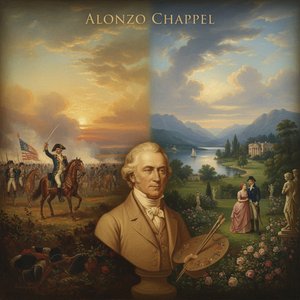
Explore the captivating world of Alonzo Chappel, a master of 19th-century American historical painting. Discover his iconic works, Romantic style & lasting legacy. Learn about collecting Chappel's art today!

Explore the captivating art of Karl Bodmer, whose detailed paintings documented Indigenous life along the Missouri River in the 19th century. Discover his legacy and lasting impact on Western art history.
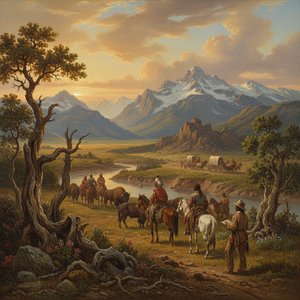
Explore the captivating art of Alfred Jacob Miller, chronicler of the American West. Discover his iconic paintings, techniques & lasting legacy – a valuable addition to any serious collection. Learn more at BuyPopArt.

Explore the life & art of Eanger Irving Couse, a pivotal figure in Southwestern Impressionism and founder of the Taos Society of Artists. Discover his captivating paintings & legacy.


Buďte na tahu s nejnovějšími novinkami ze světa umění, exkluzivními nabídkami a inspirativními nápady na dekoraci.
Sdělte nám více o svém projektu a naši odborníci na umění vám připraví 3 personalizované návrhy uměleckých děl.
Nechť pro vás vybereme 3 možnosti – zdarma!


 Náhled
 Sdílet
 Sdílet
 Podrobnosti o díle

 Stáhnout
 Podobné položky
 Rentgenové snímky
 Slideshow


 Zobrazit více







 Skleněná varianta je dostupná pouze u rozměrů menších než 110 cm


