

 Abstract Expressionism
 76.0 x 101.0 cm
Ručně malovaná olejná barva na plátně ve vašem zvoleném rozměru i s rámem, vyrobená našimi umělci na zakázku. ( Přepnout na tisk Přepnout na obrázek)
Vyberte si z našich přednastavených velikostí, které odpovídají původním proporcím díla.

Můžete zadat vlastní rozměry pro konkrétní rám nebo prostor. Pokud se vámi vybraná velikost neshoduje s proporcemi původního obrazu, dílo buď ořízneme, nebo jej doplníme ručně malovanými prvky. Před zahájením výroby vám bude zaslán digitální náhled ke schválení.
Upozorňujeme, že náhled na obrazovce neodpovídá skutečnému ořezu ani rozšíření. Pouze digitální náhled přesně zobrazí finální kompozici.
Ačkoliv je možné zvolit vlastní velikost, pro zachování původních proporcí doporučujeme vybrat rozměr z předdefinovaného seznamu.
Celosvětová doprava () za 3–4 týdny namísto standardních 5 týdnů. (11 srpen). Bez kompromisů v kvalitě.


Landscape
Rozměry reprodukce
Born in Liverpool in 1916, Frederick Sands emerged from a lineage deeply rooted in artistic tradition. His father, Anthony Sands, was himself a talented amateur painter, fostering in young Frederick a profound appreciation for art’s ability to capture beauty and evoke emotion. This early exposure, coupled with the influence of renowned galleries like the Walker Art Gallery and the Lady Lever Gallery in Liverpool—spaces brimming with masterpieces from across history—laid the foundation for Sands's distinctive artistic vision. He wasn’t merely trained; he was immersed in a world of visual richness, shaping his approach to composition, color, and subject matter.
Sands’s early career saw him working as a photographic assistant in Jersey, an experience that broadened his technical skills while simultaneously exposing him to the vibrant artistic community of the Channel Islands. It was here he met Mabel Handford, whom he would marry and with whom he shared a lifelong partnership both personally and creatively. This relationship profoundly influenced his work, providing a constant source of inspiration and emotional depth. His time in Jersey also marked a shift towards greater independence as an artist, allowing him to fully develop his unique style.
Returning to England after World War II, Sands found employment as head of art at De La Salle school in Liverpool, a role he held until 1983. However, his artistic pursuits remained paramount. He became a member of the Royal Institute of Painters in Watercolour, an honor that reflected his growing recognition within the British art scene. Sands’s work is often categorized as associated with the Norwich School of painters, a group known for its atmospheric landscapes and meticulous attention to detail. This association highlights his connection to a tradition of Northern English landscape painting, characterized by a subtle use of color and an emphasis on capturing the mood of a place.
Early influences are readily apparent in Sands’s work—particularly those of Albrecht Dürer, Ambrosius Holbein, and Alfred Rethel. These masters of drawing and printmaking instilled in him a deep respect for technical precision and a fascination with light and shadow. His early woodcuts, produced using the innovative autographic lithographic process, demonstrated his mastery of line and composition, quickly gaining attention within London’s art circles. The satirical nature of “The Nightmare,” a commentary on John Everett Millais's "Sir Isumbras at the Ford," showcased Sands’s ability to blend technical skill with wit and social critique.
Perhaps the most compelling aspect of Sands’s artistic life was his long-term relationship with actress Mary Emma Jones, known as Miss Clive. She became a frequent model for him, appearing in numerous paintings—most notably in the series of “Proud Maisie” works. These paintings are not simply portraits; they are intimate studies of a woman and her connection to her artist. The series reveals a deep affection and understanding between Sands and Jones, expressed through subtle gestures, knowing glances, and a shared sense of beauty. The sheer number of versions—eleven in total—testifies to the profound impact she had on his artistic practice.
Sands’s exploration of this relationship extended beyond painting; he created numerous drawings depicting Jones, capturing her essence with remarkable sensitivity. These works offer a rare glimpse into a private world, revealing the artist's ability to translate personal emotion into visual form. The “Proud Maisie” series stands as a testament to his capacity for profound observation and heartfelt expression.
Frederick Sands’s work is now held in numerous collections across the United Kingdom and internationally, including those of the British Government. His paintings are characterized by their luminous color palettes, evocative landscapes, and intimate portraits—a testament to his unique artistic vision. While he may not be as widely celebrated as some of his contemporaries, Sands's contribution to British art is significant, representing a quiet yet powerful voice within the Norwich School and beyond. His legacy lies in his ability to capture light, emotion, and human connection with remarkable skill and sincerity.

1916 - 1992
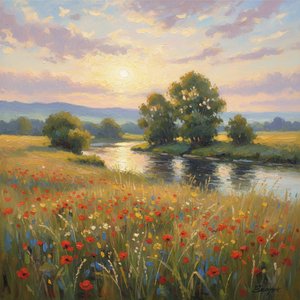
Explore the captivating world of Impressionistic landscape painting! Discover techniques, key artists like Monet & Renoir, and its lasting influence on art history. A comprehensive guide for enthusiasts.

Explore the captivating landscapes of Henri Moret, a master of Post-Impressionism. Discover his unique style, key works, and legacy in our expert guide. Learn about collecting Moret's art & its investment potential.

Objevte top 10 slavných obrazů v odstínech hříbek – od Van Gogha po Moneta. Ponořte se do příběhů umění a inspirujte se pro váš interiér s reprodukcemi nejvyšší kvality na BuyPopArt.com.
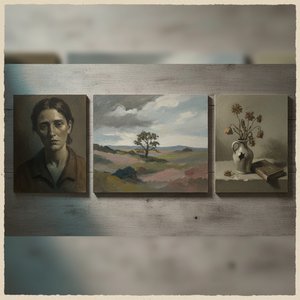
Explore the power of muted colors in art! Discover the history, psychology & techniques behind serene palettes. Find inspiration & expert advice for creating emotionally resonant spaces with BuyPopArt.
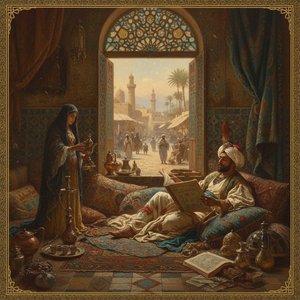
Explore the captivating Orientalist paintings of John Frederick Lewis! Discover his mastery of detail, genre scenes & influence on 19th-century British art. Learn about his life, techniques & legacy at BuyPopArt.


Buďte na tahu s nejnovějšími novinkami ze světa umění, exkluzivními nabídkami a inspirativními nápady na dekoraci.
Sdělte nám více o svém projektu a naši odborníci na umění vám připraví 3 personalizované návrhy uměleckých děl.
Nechť pro vás vybereme 3 možnosti – zdarma!


 Náhled
 Sdílet
 Sdílet
 Podrobnosti o díle

 Stáhnout
 Podobné položky
 Rentgenové snímky
 Slideshow
 Zobrazit více




































 Skleněná varianta je dostupná pouze u rozměrů menších než 110 cm


