

 Acrylic On CanvasWallArtBaroque
 1615
1615 129.0 x 94.0 cm
 Clevelandské muzeum umění
Giclée nebo plátěný tisk muzeální kvality s rychlou výrobou a flexibilními možnostmi povrchové úpravy. ( Přepnout na ručně malovanou reprodukci Přepnout na obrázek)





























Vyberte si z našich přednastavených velikostí, které odpovídají původním proporcím díla.

Můžete zadat vlastní rozměry tak, aby výtvor odpovídal konkrétnímu rámu nebo prostoru. Pokud zvolená velikost nebude odpovídat poměru stran původního obrazu, dílo buď ořížeme, nebo obraz rozšíříme pomocí zrcadlového efektu či jednobarevného okraje. Před zahájením výroby vám bude zaslán digitální náhled k schválení.
Mějte prosím na paměti, že náhled na obrazovce neodráží skutečné oříznutí nebo rozšíření. Pouze digitální náhled přesně zobrazí finální kompozici.
Ačkoliv jsou k dispozici i vlastní rozměry, pro zachování původních proporcí doporučujeme vybrat si rozměr z předdefinovaného seznamu.
Celosvětové doručení () do 2 týdnů namísto standardních 4/5 týdnů. (5 srpen)


Samson and Delilah
Rozměry reprodukce
Gerard van Honthorst's "Samson and Delilah," painted in 1615, isn’t merely a depiction of a biblical tale; it’s a meticulously crafted tableau vivant—a stage set frozen in time. The painting immediately commands attention with its intensely focused composition, drawing the viewer into a small, intimate chamber dominated by a sprawling dining table. Three figures occupy this space: Samson, lying prone and vulnerable on the table, his body partially draped with a cloth; Delilah, her hand raised to her face in a gesture of both anguish and calculated seduction; and the enigmatic woman beside her, seemingly observing the unfolding drama with a mixture of concern and perhaps even complicity. The lighting, characteristic of Honthorst’s signature style—tenebrism—is masterful, plunging much of the scene into deep shadow while bathing the central figures in a dramatic, almost theatrical light source. This stark contrast amplifies the emotional intensity, creating an atmosphere thick with suspense and impending doom.
Van Honthorst’s artistic journey profoundly shaped this work, mirroring his encounter with the revolutionary techniques of Caravaggio in Rome. Like Caravaggio, Honthorst employed tenebrism to create a heightened sense of drama and psychological intensity. However, while Caravaggio often used stark, almost brutal contrasts of light and dark, Honthorst softens the effect slightly, creating a more nuanced and emotionally complex atmosphere. The careful placement of the light source—a single candle illuminating the central figures—is crucial, directing our attention to the key elements of the narrative and emphasizing the vulnerability of Samson. This technique wasn’t simply an aesthetic choice; it was a deliberate strategy for conveying the story's emotional core – the slow unraveling of strength and trust.
The painting is deeply rooted in the Baroque period, characterized by its dramatic intensity, theatricality, and focus on emotion and storytelling. Honthorst’s work exemplifies these qualities perfectly, showcasing his mastery of light, composition, and psychological realism.The story of Samson and Delilah is a potent allegory of betrayal, temptation, and the loss of innocence. The painting doesn't simply recount the biblical narrative; it delves into its emotional heart. Samson’s vulnerability as he lies exposed on the table speaks to his diminished strength—both physical and spiritual—while Delilah’s seductive gaze embodies the allure of deceit and the destructive power of manipulation. The woman beside her, often interpreted as Semadar, represents a silent witness to this tragic exchange, perhaps reflecting the wider community's complicity in Samson’s downfall. The act of shaving his hair, traditionally a symbol of strength and divine protection, becomes an emblem of utter defeat.
Historical Context:** The painting was created during a period of significant artistic innovation in the Netherlands, marked by a renewed interest in classical art and a growing emphasis on realism and emotional expression. Honthorst’s work reflects these trends, while also incorporating his own distinctive style and influences.Further research reveals that this painting is part of a larger collection of biblical scenes created by Honthorst during his time in Rome. The Cleveland Museum of Art holds a remarkably similar version, offering valuable insights into the artist’s technique and compositional choices. The Web Gallery of Art provides detailed images and historical information about Honthorst's life and work, while WikiArt offers a comprehensive overview of the painting itself. These resources highlight the enduring fascination with this dramatic narrative and the skill of the artist who brought it to life on canvas. High-quality reproductions capture the richness of color and detail, allowing viewers to appreciate the artistry of this Baroque masterpiece for generations to come.

1590 - 1656 , Nizozemsko
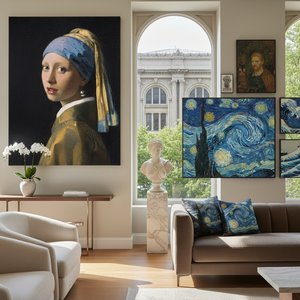
Prozkoumejte 25 ikonických děl z Metropolitního muzea v New Yorku! Objevte příběhy Van Gogha, Moneta a dalších mistrů. Reprodukce obrazů pro váš interiér na BuyPopArt.com.
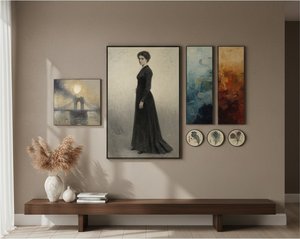
Prozkoumejte 25 ikonických děl Jamese Abbotta McNeilla Whistlera! Obrazy Nocturnes, portréty a estetismus. Inspirace pro interiér s uměleckými reprodukcemi nejvyšší kvality na BuyPopArt.com. Objevte celou kolekci online.
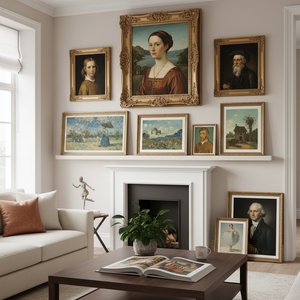
Objevte 25 ikonických děl Národní galerie umění ve Washingtonu! Prozkoumejte příběhy Cézanna, Matisse a Picassa. Inspirace pro váš interiér s reprodukcemi obrazů nejvyšší kvality na BuyPopArt.com.
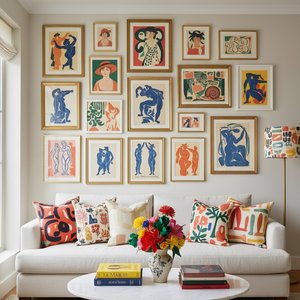
Prozkoumejte 25 ikonických děl Henri Matisse – mistra barev a fauvismu. Objevte příběhy za slavnými obrazy, techniky a inspiraci pro váš interiér. Reprodukce obrazů nejvyšší kvality na BuyPopArt.com.

Prozkoumejte 25 nejlepších děl Rembrandta van Rijna – od portrétů po biblické scény. Objevte příběhy, techniky a inspiraci nizozemského baroka. Reprodukce obrazů pro váš interiér na BuyPopArt.cz.


Buďte na tahu s nejnovějšími novinkami ze světa umění, exkluzivními nabídkami a inspirativními nápady na dekoraci.
Sdělte nám více o svém projektu a naši odborníci na umění vám připraví 3 personalizované návrhy uměleckých děl.
Nechť pro vás vybereme 3 možnosti – zdarma!


 Náhled
 Sdílet
 Sdílet
 Podrobnosti o díle

 Stáhnout
 Podobné položky
 Rentgenové snímky
 Slideshow
 Zobrazit více







 Skleněná varianta je dostupná pouze u rozměrů menších než 110 cm


