

 Acrylic On CanvasWallArtRenaissance Mannerism
 1570
1570 53.0 x 41.0 cm
 Národní muzeum
Giclée nebo plátěný tisk muzeální kvality s rychlou výrobou a flexibilními možnostmi povrchové úpravy. ( Koupit ručně malovaný obraz Koupit obrázek)





























Vyberte si z našich přednastavených velikostí, které odpovídají původním proporcím díla.

Můžete zadat vlastní rozměry tak, aby výtvor odpovídal konkrétnímu rámu nebo prostoru. Pokud zvolená velikost nebude odpovídat poměru stran původního obrazu, dílo buď ořížeme, nebo obraz rozšíříme pomocí zrcadlového efektu či jednobarevného okraje. Před zahájením výroby vám bude zaslán digitální náhled k schválení.
Mějte prosím na paměti, že náhled na obrazovce neodráží skutečné oříznutí nebo rozšíření. Pouze digitální náhled přesně zobrazí finální kompozici.
Ačkoliv jsou k dispozici i vlastní rozměry, pro zachování původních proporcí doporučujeme vybrat si rozměr z předdefinovaného seznamu.
Celosvětové doručení () do 2 týdnů namísto standardních 4/5 týdnů. (25 srpen)


The Cook
Rozměry reprodukce
Giuseppe Arcimboldo's "The Cook," painted around 1570 and now residing in the Nationalmuseum of Stockholm, isn’t merely a still life; it’s a meticulously constructed illusion, a vibrant testament to the Renaissance fascination with metamorphosis and symbolic representation. More than just a depiction of roasted meats arranged within a human form, this painting is an invitation into a world where art transcends the boundaries of realism and embraces the power of suggestion.
At first glance, the image presents a somewhat grotesque, yet undeniably compelling, male head. However, a subtle shift in perspective – turning the canvas upside down – reveals a startling transformation: the figure’s eye becomes the watchful gaze of a chicken, the nose morphs into a plump turkey, and the mouth is framed by a generous helping of sausages. This ingenious visual trickery, known as pareidolia, immediately draws attention to Arcimboldo's masterful manipulation of form and his profound understanding of how viewers perceive images. The arrangement isn’t random; each element – the glistening cuts of meat, the vibrant vegetables, the carefully positioned fruits – contributes to a larger narrative, hinting at abundance, feasting, and perhaps even the fleeting nature of earthly pleasures.
Arcimboldo’s work emerged during a period of intense intellectual ferment in Europe. The Renaissance witnessed a renewed interest in classical antiquity, alongside burgeoning scientific inquiry and philosophical speculation. The concept of *memento mori* – the reminder of mortality – was prevalent, prompting artists to explore themes of transience and decay. Arcimboldo’s “The Cook” can be interpreted through this lens, with its emphasis on perishable goods serving as a poignant meditation on the ephemeral nature of life.
Furthermore, the painting reflects the lavish tastes and conspicuous consumption of the European courts during the late 16th century. Emperors Rudolf II and Maximilian I were renowned for their extravagant collections of exotic objects – animals, plants, minerals, and artworks – which served as symbols of power and prestige. Arcimboldo’s portraits, often commissioned by these rulers, cleverly incorporated elements from their personal collections, transforming everyday items into elaborate allegories.
Arcimboldo's technique was remarkably innovative for his time. He employed a meticulous layering of oil paint on panel, painstakingly arranging each object to create the illusion of depth and volume. The use of vibrant colors – rich reds, browns, yellows, and greens – further enhances the painting’s visual impact. Crucially, he didn't simply glue or attach objects; he painted them directly onto the surface, seamlessly integrating them into the overall composition.
The artist’s skill lies not only in his technical proficiency but also in his ability to manipulate perspective and create a convincing illusion of three-dimensionality. The careful positioning of each element – from the glistening cuts of meat to the delicate arrangement of fruits – contributes to the painting's overall sense of realism, despite its fantastical nature. It’s a testament to Arcimboldo’s artistic vision that he could transform disparate objects into a cohesive and compelling portrait.
"The Cook" transcends mere visual spectacle; it evokes a complex range of emotions. The painting's humor, combined with its subtle melancholy, invites viewers to contemplate the beauty and fragility of life. There’s an element of playful trickery, but also a deeper sense of reflection on mortality and the transient nature of earthly pleasures.
Arcimboldo’s work continues to fascinate audiences today, demonstrating his enduring artistic genius and his ability to create images that are both intellectually stimulating and emotionally resonant. Whether viewed as a whimsical portrait or a profound meditation on life and death, “The Cook” remains a captivating masterpiece of the Renaissance era.
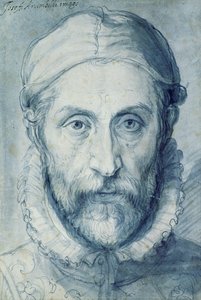
1527 - 1593 , Itálie
Explore the captivating intersection of culinary arts & artistic representation for hotel design. Discover techniques to elevate dining experiences through visual harmony, composition, and inspiration from classic still life painting.

Objevte sílu gastronomického designu! Prozkoumejte, jak barva, prostor a prezentace ovlivňují chuťové preference. Inspirujte se trendy a vytvořte nezapomenutelný zážitek pro vaše hosty. Odborné rady a hluboká analýza.

Explore how contemporary art reflects the farm-to-table movement & sustainable living. Discover artists championing ecological awareness, ethical practices, and a deeper connection to our food systems. Expert insights & inspiring works.

Elevate your dining room with expertly curated art reproductions! Explore historical context, aesthetic considerations & modern applications for a captivating space. Discover the perfect artwork to inspire conversation and enhance every meal.

Prozkoumejte 10 ikonických děl manýrismu – od Pontorma po El Greca. Objevte příběhy, techniky a umělecké inovace tohoto fascinujícího období renesance. Luxusní reprodukce obrazů na BuyPopArt.com pro váš interiér! Prohlédněte si celou kolekci online.


Buďte na tahu s nejnovějšími novinkami ze světa umění, exkluzivními nabídkami a inspirativními nápady na dekoraci.
Sdělte nám více o svém projektu a naši odborníci na umění vám připraví 3 personalizované návrhy uměleckých děl.
Nechť pro vás vybereme 3 možnosti – zdarma!


 Náhled
 Sdílet
 Sdílet
 Podrobnosti o díle

 Stáhnout
 Podobné položky
 Rentgenové snímky
 Slideshow
 Zobrazit více







 Skleněná varianta je dostupná pouze u rozměrů menších než 110 cm


