


 Oil On CanvasWallArtNorthern Mannerism
 1613
1613 207.0 x 142.0 cm
 Mořicův dům
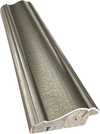
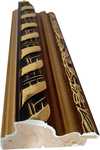
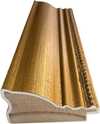
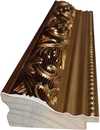
Ručně malovaná olejná barva na plátně ve vašem zvoleném rozměru i s rámem, vyrobená našimi umělci na zakázku. ( Přepnout na tisk Přepnout na obrázek)
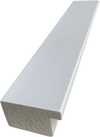
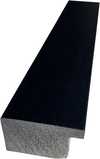
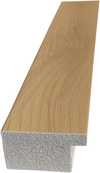
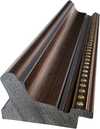
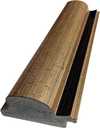
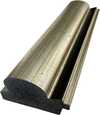
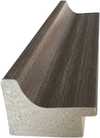
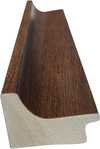
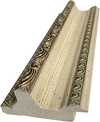
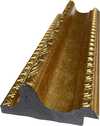
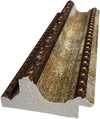
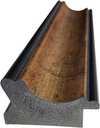
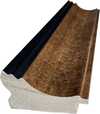
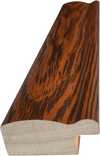
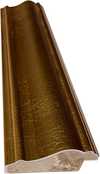
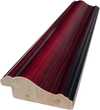
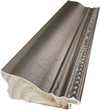
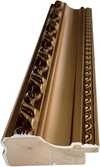
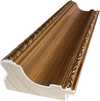
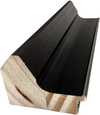
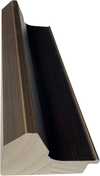
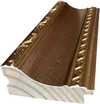
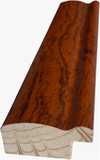
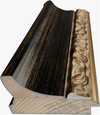
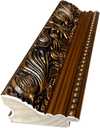
Vyberte si z našich přednastavených velikostí, které odpovídají původním proporcím díla.

Můžete zadat vlastní rozměry pro konkrétní rám nebo prostor. Pokud se vámi vybraná velikost neshoduje s proporcemi původního obrazu, dílo buď ořízneme, nebo jej doplníme ručně malovanými prvky. Před zahájením výroby vám bude zaslán digitální náhled ke schválení.
Upozorňujeme, že náhled na obrazovce neodpovídá skutečnému ořezu ani rozšíření. Pouze digitální náhled přesně zobrazí finální kompozici.
Ačkoliv je možné zvolit vlastní velikost, pro zachování původních proporcí doporučujeme vybrat rozměr z předdefinovaného seznamu.
Celosvětová doprava () za 3–4 týdny namísto standardních 5 týdnů. (3 srpen). Bez kompromisů v kvalitě.


Hercules and Cacus
Rozměry reprodukce
Hendrick Goltzius's “Hercules and Cacus,” painted in 1613, isn’t merely a depiction of a legendary hero; it’s a visceral embodiment of strength, conflict, and the enduring power of narrative. This monumental work, now residing within the Palazzo Vecchio in Florence, immediately commands attention with its dynamic composition and dramatic chiaroscuro – the masterful use of light and shadow that sculpts both form and emotion. Goltzius, a pivotal figure in the Northern Mannerist movement, elevates a classical tale to an intensely human level, capturing not just the physical prowess of Hercules but also the palpable tension of his struggle against the monstrous Cacus.
Goltzius’s genius lies not just in his subject matter but in the extraordinary technical skill he brings to bear. He was a pioneer of the “swelling line,” a technique that allowed him to manipulate the thickness and texture of lines with remarkable precision, creating an illusion of depth and volume from a distance. Observe how this is particularly evident in Hercules’s club – it appears to swell outwards as if poised for impact, conveying both its weight and the impending force of his blow. Furthermore, he employed the “dot and lozenge” technique, meticulously placing tiny dots within larger lozenge shapes to build up subtle gradations of tone, adding incredible realism to the textures of the figures’ skin, clothing, and the rough-hewn cave walls. This meticulous attention to detail elevates the painting beyond a simple illustration; it becomes a study in light, shadow, and material.
“Hercules and Cacus” is deeply embedded within the turbulent political landscape of 16th-century Florence. Commissioned during a period of shifting power between the Medici family and the republican council, the sculpture became a potent symbol – Hercules representing the strength and resilience of the victorious Medici, while Cacus embodied the vanquished opposition. The story’s narrative was deliberately manipulated to serve this political agenda; initially intended as a celebration of Florentine liberty, it was later repurposed by the Medici to assert their dominance. The work's creation was fraught with artistic rivalries too – Vasari and Cellini, both prominent artists and critics, offered scathing critiques of Bandinelli’s design, highlighting the perceived flaws in his execution and subtly undermining his reputation.
Note: The sculpture’s history is intertwined with Florentine politics and artistic debates.Beyond its political significance, “Hercules and Cacus” resonates profoundly on an emotional level. The scene captures a pivotal moment of intense struggle – the hero poised to deliver the decisive blow against his monstrous adversary. The dynamic composition, with Hercules’s body coiled in anticipation and Cacus unleashing a torrent of fire, generates a palpable sense of drama and urgency. The painting isn't simply about physical strength; it speaks to themes of courage, determination, and the triumph of good over evil. The raw energy of the scene, combined with Goltzius’s masterful technique, creates an image that is both visually arresting and emotionally compelling – a testament to the enduring power of myth and art.

1558 - 1617 , Germany
Objevte 10 legendárních bronzových soch od Michelangela, Rodina a dalších mistrů! Ponořte se do historie umění, technik a příběhů za těmito nadčasovými díly. Najděte inspiraci pro váš interiér s BuyPopArt.com – repliky nejvyšší kvality.
Explore the captivating history of marble sculpture from ancient Greece to modern art. Discover renowned artists like Canova & Michelangelo, carving techniques, and investment insights at BuyPopArt.

Explore the rich history of sculpture from ancient masterpieces to contemporary innovations. Discover key techniques, influential artists & investment potential for discerning art collectors.

Discover the sublime beauty of marble art through an expert exploration of Renaissance and Neoclassical masterpieces. From the delicate textures of Carpeaux to the grandeur of Sansovino, immerse yourself in a guide to timeless elegance and sculptural perfection.

Prozkoumejte 10 ikonických děl renesance – od Da Vinciho až po Michelangela. Objevte příběhy, techniky a nadčasovou krásu umění této epochy. Reprodukce obrazů nejvyšší kvality na BuyPopArt.cz. Prohlédněte si celou kolekci online!


Buďte na tahu s nejnovějšími novinkami ze světa umění, exkluzivními nabídkami a inspirativními nápady na dekoraci.
Sdělte nám více o svém projektu a naši odborníci na umění vám připraví 3 personalizované návrhy uměleckých děl.
Nechť pro vás vybereme 3 možnosti – zdarma!


 Náhled
 Sdílet
 Sdílet
 Podrobnosti o díle

 Stáhnout
 Podobné položky
 Rentgenové snímky
 Slideshow
 Zobrazit více
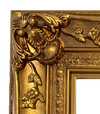
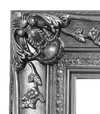
 Skleněná varianta je dostupná pouze u rozměrů menších než 110 cm


