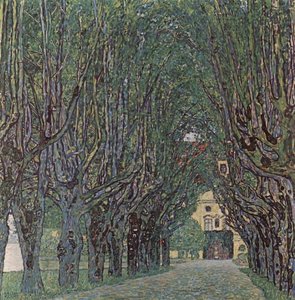
Giclée nebo plátěný tisk muzeální kvality s rychlou výrobou a flexibilními možnostmi povrchové úpravy. ( Přepnout na ručně malovanou reprodukci Přepnout na obrázek)
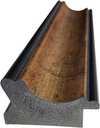
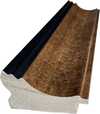
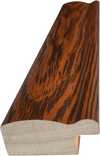
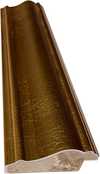
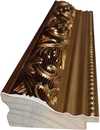
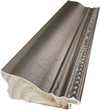
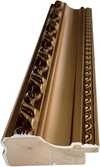
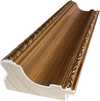
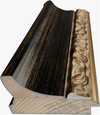
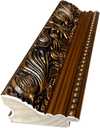
Vyberte si z našich přednastavených velikostí, které odpovídají původním proporcím díla.

Můžete zadat vlastní rozměry tak, aby výtvor odpovídal konkrétnímu rámu nebo prostoru. Pokud zvolená velikost nebude odpovídat poměru stran původního obrazu, dílo buď ořížeme, nebo obraz rozšíříme pomocí zrcadlového efektu či jednobarevného okraje. Před zahájením výroby vám bude zaslán digitální náhled k schválení.
Mějte prosím na paměti, že náhled na obrazovce neodráží skutečné oříznutí nebo rozšíření. Pouze digitální náhled přesně zobrazí finální kompozici.
Ačkoliv jsou k dispozici i vlastní rozměry, pro zachování původních proporcí doporučujeme vybrat si rozměr z předdefinovaného seznamu.
Celosvětové doručení () do 2 týdnů namísto standardních 4/5 týdnů. (1 srpen)


Ballerina
Rozměry reprodukce
Gustav Klimt’s “Ballerina” transcends mere representation; it embodies a profound exploration of femininity, artistry, and the ephemeral nature of beauty. Completed in 1916-17 during Klimt's celebrated “Golden Phase,” this monumental canvas captures a ballerina poised with captivating poise—a figure simultaneously vulnerable and resolute—within an opulent tapestry of blossoms that speaks volumes about Art Nouveau’s fascination with organic forms and decorative splendor.
More than just ornamentation, the swirling arrangement of roses, lilies, and other blossoms serves as a conduit for symbolic meaning. Traditionally associated with love, purity, and rebirth, these flowers encapsulate themes central to Art Nouveau's spiritual ethos—a yearning for transcendence and an appreciation of nature’s transformative power. Klimt skillfully utilizes floral motifs to heighten the painting’s emotional resonance, suggesting that beauty itself is fleeting yet eternally significant.
Klimt's masterful technique—primarily oil paint applied in multiple glazes and textured impasto—represents a pivotal moment in artistic history. He seamlessly blends elements of Symbolism with Byzantine influences, mirroring the grandeur and spiritual contemplation found in Orthodox iconography. This fusion results in an aesthetic that prioritizes decorative impressionism: capturing fleeting moments of light and color while simultaneously constructing intricate patterns and textures that engage the viewer’s senses on a visceral level.
"Ballerina" stands as a testament to Klimt's unparalleled ability to fuse artistic innovation with emotional depth. Its enduring appeal lies in its evocative portrayal of feminine grace and beauty—a celebration of artistry that continues to inspire collectors and interior designers alike. The painting’s luminous surface, combined with its symbolic richness, invites contemplation on themes of life, death, and the transformative power of art itself.
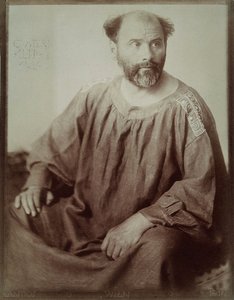
1862 - 1918 , Rakousko

Explore the captivating world of Edmund Dulac, a master of Golden Age illustration! Discover his enchanting fairy tales, Art Nouveau style, and lasting influence on art & design. Learn about *The Rubaiyat* and more.

Explore the rich history of boats in art! From ancient symbolism to Impressionist masterpieces & modern visions, discover renowned artists & collecting tips at BuyPopArt.

nabízí ručně malované reprodukce obrazů a zakázkovou tvorbu umění pro náročné sběratele. Odborné konzultace, garance kvality a autenticity. Objevte dokonalé umění pro váš interiér.

Explore the life & art of Alphonse Mucha, master of Art Nouveau! Discover his iconic posters, stunning illustrations, and the monumental Slav Epic. A comprehensive guide for collectors & enthusiasts.

Objevte 10 ikonických děl secese od Muchy, Klimta a dalších. Ponořte se do příběhů umění, technik a barev tohoto fascinujícího hnutí. Reprodukce obrazů v muzeální kvalitě na BuyPopArt.com! Prozkoumejte celou kolekci online.


Buďte na tahu s nejnovějšími novinkami ze světa umění, exkluzivními nabídkami a inspirativními nápady na dekoraci.
Sdělte nám více o svém projektu a naši odborníci na umění vám připraví 3 personalizované návrhy uměleckých děl.
Nechť pro vás vybereme 3 možnosti – zdarma!


 Náhled
 Sdílet
 Sdílet
 Podrobnosti o díle

 Stáhnout
 Podobné položky
 Rentgenové snímky
 Slideshow
 Zobrazit více
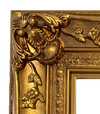
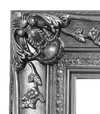
 Skleněná varianta je dostupná pouze u rozměrů menších než 110 cm