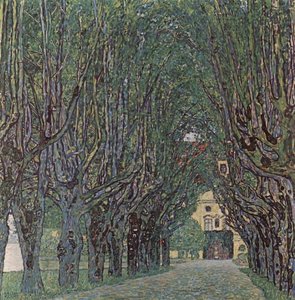
Ručně malovaná olejná barva na plátně ve vašem zvoleném rozměru i s rámem, vyrobená našimi umělci na zakázku. ( Přepnout na tisk Přepnout na obrázek)
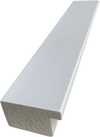
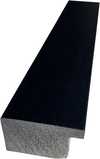
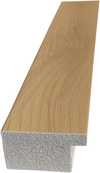
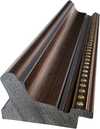
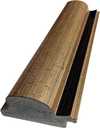
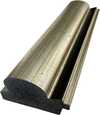
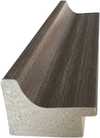
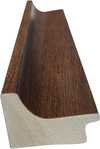
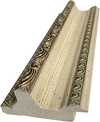
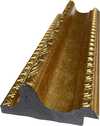
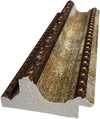
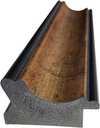
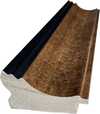
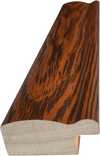
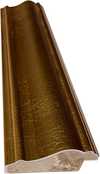
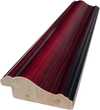
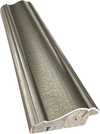
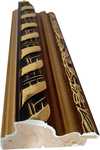
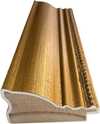
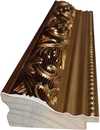
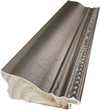
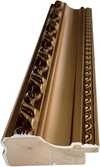
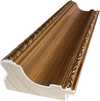
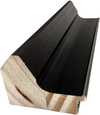
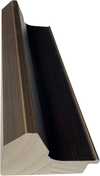
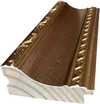
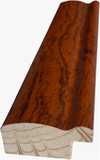
Vyberte si z našich přednastavených velikostí, které odpovídají původním proporcím díla.

Můžete zadat vlastní rozměry pro konkrétní rám nebo prostor. Pokud se vámi vybraná velikost neshoduje s proporcemi původního obrazu, dílo buď ořízneme, nebo jej doplníme ručně malovanými prvky. Před zahájením výroby vám bude zaslán digitální náhled ke schválení.
Upozorňujeme, že náhled na obrazovce neodpovídá skutečnému ořezu ani rozšíření. Pouze digitální náhled přesně zobrazí finální kompozici.
Ačkoliv je možné zvolit vlastní velikost, pro zachování původních proporcí doporučujeme vybrat rozměr z předdefinovaného seznamu.
Celosvětová doprava () za 3–4 týdny namísto standardních 5 týdnů. (31 červenec). Bez kompromisů v kvalitě.


Page 1
Rozměry reprodukce
While seemingly a simple handwritten document, "Page 1," dated 1913, offers a fascinating and unexpected window into the world of Gustav Klimt. This intimate work diverges from his celebrated opulent paintings, yet reveals crucial aspects of his artistic process and intellectual life during a pivotal period.
The artwork presents a close-up view of aged paper densely covered in cursive script. The composition is not one of grand design, but rather an accumulation of names, dates, and annotations – likely related to musical events or performances. This suggests Klimt was meticulously documenting his social engagements, perhaps even inspirations for future works. The sheer volume of text creates a captivating visual texture, a chaotic order that draws the eye across the page.
“Page 1” showcases Klimt’s skill beyond his signature gilded style. Executed in black ink on aged paper, the technique is straightforward – pen and ink calligraphy. However, the *variations* within the cursive script—different sizes, flourishes, and pressures—reveal a personal touch and an immediacy rarely seen in his more polished works. This piece demonstrates Klimt’s foundational training in draftsmanship, harking back to his early days at the Vienna Kunstgewerbeschule.
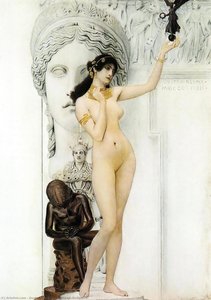
1913 falls within a complex period for Klimt and the Viennese art scene. The height of the Vienna Secession had passed, but its influence remained strong. Klimt was grappling with evolving artistic trends and personal challenges. While known for works like “Pallas Athene” (1898) – a powerful example of Secessionist symbolism – this document suggests a more private, reflective side to the artist. It’s possible these notes relate to performances he attended seeking inspiration or collaborations.
Unlike his allegorical paintings brimming with symbolism, “Page 1” operates on a different level. Its power lies in its authenticity and intimacy. The document isn’t *about* something; it is something – a tangible remnant of Klimt's daily life. The aged paper evokes a sense of history and nostalgia, while the handwritten script feels deeply personal. It invites contemplation on the ephemeral nature of time and memory.
“Page 1” is more than just a document; it's a fragment of Klimt’s world – a testament to his multifaceted talent and enduring legacy.
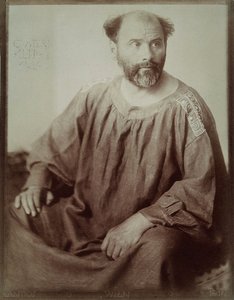
1862 - 1918 , Rakousko
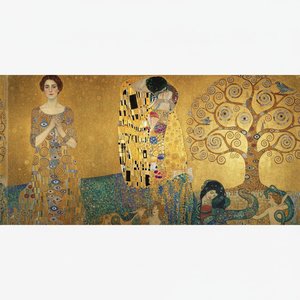
Prozkoumejte 25 ikonických děl Gustava Klimta! Objevte příběhy za Zlatou fází, Secesí a slavnými portréty. Luxusní reprodukce obrazů pro váš interiér na BuyPopArt.com – inspirace a umění pro váš domov.

Objevte 10 ikonických děl secese od Muchy, Klimta a dalších. Ponořte se do příběhů umění, technik a barev tohoto fascinujícího hnutí. Reprodukce obrazů v muzeální kvalitě na BuyPopArt.com! Prozkoumejte celou kolekci online.
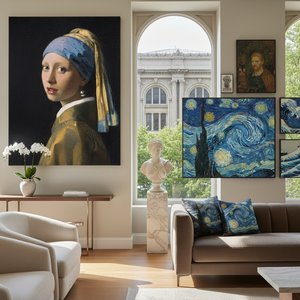
Prozkoumejte 25 ikonických děl z Metropolitního muzea v New Yorku! Objevte příběhy Van Gogha, Moneta a dalších mistrů. Reprodukce obrazů pro váš interiér na BuyPopArt.com.

Discover the revolutionary Vienna Secession art movement! Explore Klimt, Olbrich & more. Learn about its history, characteristics & lasting influence on modern art. High-quality reproductions available.

Explore the captivating world of Gustav Klimt with BuyPopArt. Discover his iconic paintings, the Vienna Secession movement, & enduring legacy. High-quality reproductions available.


Buďte na tahu s nejnovějšími novinkami ze světa umění, exkluzivními nabídkami a inspirativními nápady na dekoraci.
Sdělte nám více o svém projektu a naši odborníci na umění vám připraví 3 personalizované návrhy uměleckých děl.
Nechť pro vás vybereme 3 možnosti – zdarma!


 Náhled
 Sdílet
 Sdílet
 Podrobnosti o díle

 Stáhnout
 Podobné položky
 Rentgenové snímky
 Slideshow

 Zobrazit více
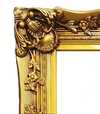
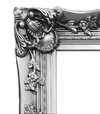
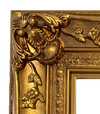
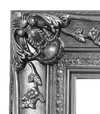
 Skleněná varianta je dostupná pouze u rozměrů menších než 110 cm