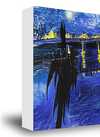
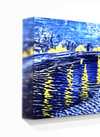
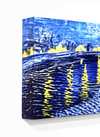
Akryl na plátněNástěnné uměníImpressionism
 188919. století
 22.0 x 42.0 cm
Ručně malovaná olejná barva na plátně ve vašem zvoleném rozměru i s rámem, vyrobená našimi umělci na zakázku. ( Přepnout na tisk Přepnout na obrázek)
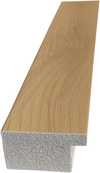
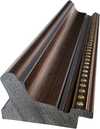
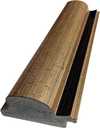
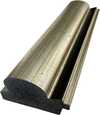
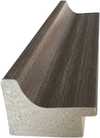
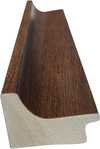
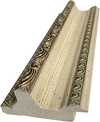
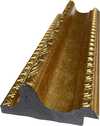
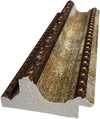
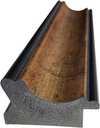
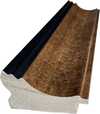
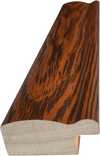
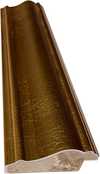

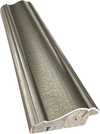
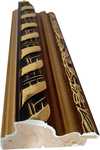

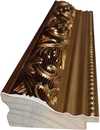
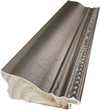
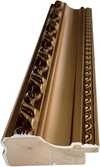
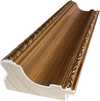
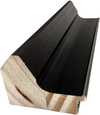
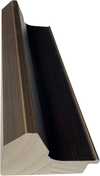

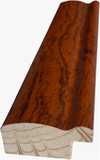
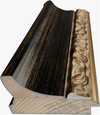
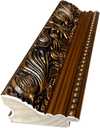
Vyberte si z našich přednastavených velikostí, které odpovídají původním proporcím díla.

Můžete zadat vlastní rozměry pro konkrétní rám nebo prostor. Pokud se vámi vybraná velikost neshoduje s proporcemi původního obrazu, dílo buď ořízneme, nebo jej doplníme ručně malovanými prvky. Před zahájením výroby vám bude zaslán digitální náhled ke schválení.
Upozorňujeme, že náhled na obrazovce neodpovídá skutečnému ořezu ani rozšíření. Pouze digitální náhled přesně zobrazí finální kompozici.
Ačkoliv je možné zvolit vlastní velikost, pro zachování původních proporcí doporučujeme vybrat rozměr z předdefinovaného seznamu.
Celosvětová doprava () za 3–4 týdny namísto standardních 5 týdnů. (1 srpen). Bez kompromisů v kvalitě.


Nádrž
Rozměry reprodukce
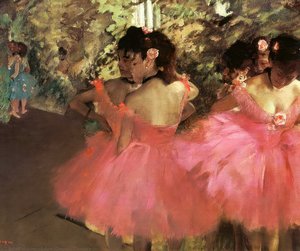
Edgar Degas’ “The Ballet Class,” completed around 1874-1876, stands as a cornerstone of Impressionist art and a poignant glimpse into the world of ballet during its formative years. More than just a depiction of dancers practicing, it embodies Degas’s revolutionary approach to capturing fleeting moments and conveying psychological depth—a hallmark of his artistic vision.
The painting portrays Jules Perrot, a celebrated ballet master, instructing young dancers in the Hôtel de Choiseul. This setting was pivotal as ballet transitioned from romantic grandeur to a more realistic portrayal of performance life. Critics like Richard Mühlberger recognized Degas’s masterful execution, noting the meticulous attention to detail and the palpable sense of immediacy.
Degas’ technique—primarily oil painting—involved layering pigment onto canvas with remarkable precision. He meticulously observed his subjects, capturing not just their physical appearance but also their emotional state. The artist employed a subtle palette dominated by muted browns and creams, skillfully manipulating light to create an atmosphere of quiet contemplation.
Beyond its aesthetic qualities, “The Ballet Class” carries significant symbolic weight. Degas’s depiction of Perrot's stern gaze reflects the pressures faced by ballet dancers striving for perfection—a theme that resonates with viewers today. The inclusion of details like a fan and a girl scratching her back adds layers of narrative complexity, inviting contemplation on themes of aspiration, vulnerability, and the everyday realities of artistic endeavor.
Jill DeVonyar and Richard Kendall emphasize Degas’s fascination with movement and observation—a characteristic that distinguishes him from many of his contemporaries. He sought to convey not merely what he saw but also how it felt, capturing the essence of ballet as both a discipline and an art form. The painting's enduring appeal lies in its ability to transport us back to a moment in time while simultaneously exploring universal themes of human experience.
“The Tub,” completed in 1886, is a pastel artwork by Impressionist artist Edgar Degas. It’s considered one of his most daring pieces due to its unconventional approach—combining still life elements with distorted perspective and plunging views—a technique that exemplifies Degas's innovative spirit.
Degas's influence extends far beyond Impressionism; he championed observation as a cornerstone of artistic practice. His meticulous studies of dancers—both onstage and backstage—were driven by a desire to capture not just their physical appearance but also their psychological state, reflecting his belief that art should strive for authenticity.
The sculpture “The Tub” is housed in the Musée d'Orsay, Paris, France. It was commissioned by Jean Baptiste Faure.
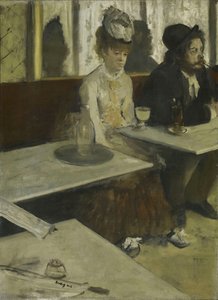
“Two harlequins,” completed in 1876, is another remarkable pastel artwork by Degas that exemplifies his masterful use of color and composition.
“Edgar Alwyn Payne,” is an American Western artist who created monumental murals and landscapes that capture the grandeur of the Sierra Nevada mountains.
“Édgar Negret,” is a Colombian sculptor known for his innovative metal sculptures that explore geometric forms and challenge conventional artistic conventions.
“The Tub” remains an enduring symbol of Impressionist art’s commitment to capturing fleeting moments and conveying psychological depth.

1834 - 1917 , Francie

Prozkoumejte 10 ikonických děl impresionismu od Monet, Renoir a Van Gogha. Objevte příběhy za slavnými obrazy, techniky a inspiraci pro váš interiér. Kvalitní reprodukce na BuyPopArt.com!

Explore the rich history of domestic life in art! Discover Dutch Masters & Victorian painters who captured everyday moments with stunning realism. Uncover symbolism and lasting influence – a journey through intimate worlds.

Objevte sílu zakázkové tvorby umění s BuyPopArt. Ručně malované portréty, olejomalby z fotografií a reprodukce galerie kvality. Vytvořte jedinečný interiér odrážející vaši osobnost a emoční pohodu. Art consulting zdarma.

Explore the rich history of genre painting – art that depicts everyday life. Discover Dutch Masters, hidden symbolism & its enduring influence on art history. Learn more at BuyPopArt.

Explore the nuanced world of pastel art! Discover its history, techniques & emotional power with expert insights from BuyPopArt.com. Find museum-quality reproductions and learn about collecting this delicate medium.


Buďte na tahu s nejnovějšími novinkami ze světa umění, exkluzivními nabídkami a inspirativními nápady na dekoraci.
Sdělte nám více o svém projektu a naši odborníci na umění vám připraví 3 personalizované návrhy uměleckých děl.
Nechť pro vás vybereme 3 možnosti – zdarma!


 Náhled
 Sdílet
 Sdílet
 Podrobnosti o díle

 Stáhnout
 Podobné položky
 Rentgenové snímky
 Slideshow
 Zobrazit více
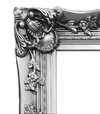
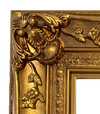
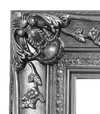
 Skleněná varianta je dostupná pouze u rozměrů menších než 110 cm