

 Oil On CanvasWallArtContemporary Realism
 1872
1872 66.0 x 48.0 cm
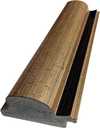
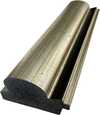
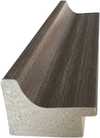
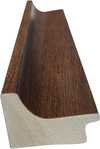
Ručně malovaná olejná barva na plátně ve vašem zvoleném rozměru i s rámem, vyrobená našimi umělci na zakázku. ( Přepnout na tisk Přepnout na obrázek)
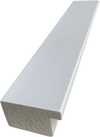
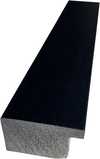
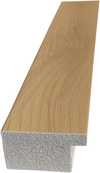
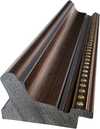
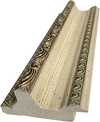
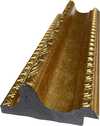
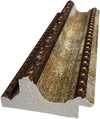
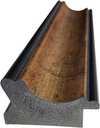
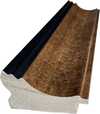
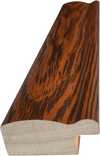
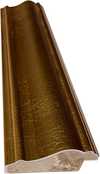
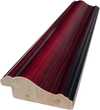
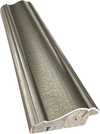
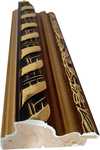
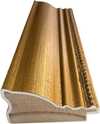
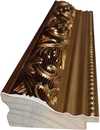
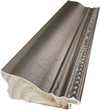
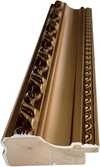
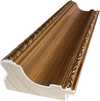
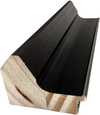
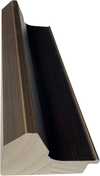
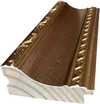
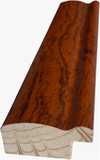
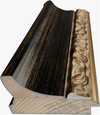
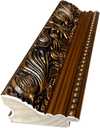
Vyberte si z našich přednastavených velikostí, které odpovídají původním proporcím díla.

Můžete zadat vlastní rozměry pro konkrétní rám nebo prostor. Pokud se vámi vybraná velikost neshoduje s proporcemi původního obrazu, dílo buď ořízneme, nebo jej doplníme ručně malovanými prvky. Před zahájením výroby vám bude zaslán digitální náhled ke schválení.
Upozorňujeme, že náhled na obrazovce neodpovídá skutečnému ořezu ani rozšíření. Pouze digitální náhled přesně zobrazí finální kompozici.
Ačkoliv je možné zvolit vlastní velikost, pro zachování původních proporcí doporučujeme vybrat rozměr z předdefinovaného seznamu.
Celosvětová doprava () za 3–4 týdny namísto standardních 5 týdnů. (1 srpen). Bez kompromisů v kvalitě.


Tea
Rozměry reprodukce
James Jacques Joseph Tissot's "Tea," created in 1872, is more than just a painting; it’s a window into the refined social customs and aesthetic sensibilities of the Victorian era. This oil on wood masterpiece, now residing within the esteemed collection of the Metropolitan Museum of Art in New York, exemplifies Tissot's signature style – meticulous detail combined with an insightful portrayal of human interaction.
The painting depicts a woman elegantly dressed, seated at a table laden with delicate tea cups and saucers. She is engaged in the act of sipping tea, creating a scene of quiet domesticity and leisure. The composition centers around her figure, drawing the viewer's attention to her attire and demeanor. Several other teacups are present on the table, hinting at a possible gathering or social event. The background features a blurred cityscape visible through a window, suggesting an outdoor setting like a veranda or balcony. This juxtaposition of interior tranquility with exterior activity adds depth and intrigue to the scene.
Tissot’s style is characterized by its realism and attention to detail. He masterfully employs light and shadow to create a sense of depth and atmosphere, highlighting the textures of the silver tea service and the intricate patterns on the woman's gown. The use of thin glazes of oil paint builds up color and luminosity, resulting in a rich and layered visual experience. Lines are predominantly straight and precise, defining architectural elements like columns and window frames, contrasting with the softer curves of the woman’s dress. The technique showcases Tissot’s skill in capturing not only physical appearances but also subtle psychological nuances.
"Tea" is deeply rooted in the Victorian era's social dynamics. Tea drinking was a significant ritual, symbolizing hospitality, refinement, and social connection. The painting reflects the period's emphasis on fashion and interior design, showcasing the elegance of Victorian clothing and furnishings. The blurred cityscape outside the window serves as a poignant reminder of the passage of time and the changing nature of life. Symbolically, the silver tea service represents domesticity and refinement, while the woman’s attire speaks to her social standing and taste. Tissot's work provides valuable insight into the values and aesthetics of 19th-century British society.
Beyond its historical significance, "Tea" evokes a sense of quiet contemplation and understated elegance. The woman’s expression is enigmatic, inviting viewers to interpret her thoughts and emotions. The warm lighting creates a comforting atmosphere, while the meticulous detail draws the eye and encourages close observation. The painting's overall effect is one of serene beauty and timeless appeal, making it a captivating work for art lovers and collectors alike.

1836 - 1902 , Francie
Prozkoumejte 25 ikonických děl Jamese Abbotta McNeilla Whistlera! Obrazy Nocturnes, portréty a estetismus. Inspirace pro interiér s uměleckými reprodukcemi nejvyšší kvality na BuyPopArt.com. Objevte celou kolekci online.

Prozkoumejte 25 ikonických obrazů Alfreda Jamese Munnings, mistra koní a anglického impresionismu. Obdivujte realistické krajinomalby, jezdecké scény a válečné obrazy. Reprodukce a luxusní dekorace na BuyPopArt.com! Prohlédněte si celou sbírku online.
Prozkoumejte 25 ikonických děl z Metropolitního muzea v New Yorku! Objevte příběhy Van Gogha, Moneta a dalších mistrů. Reprodukce obrazů pro váš interiér na BuyPopArt.com.
Prozkoumejte 25 ikonických děl Dante Gabriela Rossettiho – symbolismus, viktoriánský romantismus a krásné ženy v obrazech. Reprodukce obrazů nejvyšší kvality pro váš interiér na BuyPopArt.cz. Objevte celou kolekci online!
Objevte 25 ikonických děl Národní galerie umění ve Washingtonu! Prozkoumejte příběhy Cézanna, Matisse a Picassa. Inspirace pro váš interiér s reprodukcemi obrazů nejvyšší kvality na BuyPopArt.com.


Buďte na tahu s nejnovějšími novinkami ze světa umění, exkluzivními nabídkami a inspirativními nápady na dekoraci.
Sdělte nám více o svém projektu a naši odborníci na umění vám připraví 3 personalizované návrhy uměleckých děl.
Nechť pro vás vybereme 3 možnosti – zdarma!


 Náhled
 Sdílet
 Sdílet
 Podrobnosti o díle

 Stáhnout
 Podobné položky
 Rentgenové snímky
 Slideshow
 Zobrazit více
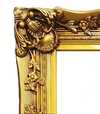
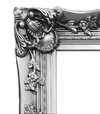
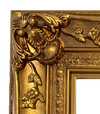
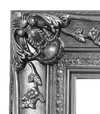
 Skleněná varianta je dostupná pouze u rozměrů menších než 110 cm


