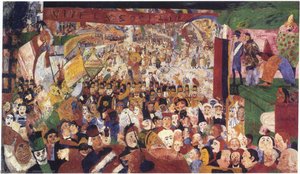
Ručně malovaná olejná barva na plátně ve vašem zvoleném rozměru i s rámem, vyrobená našimi umělci na zakázku. ( Koupit tisk Koupit obrázek)





























Vyberte si z našich přednastavených velikostí, které odpovídají původním proporcím díla.

Můžete zadat vlastní rozměry pro konkrétní rám nebo prostor. Pokud se vámi vybraná velikost neshoduje s proporcemi původního obrazu, dílo buď ořízneme, nebo jej doplníme ručně malovanými prvky. Před zahájením výroby vám bude zaslán digitální náhled ke schválení.
Upozorňujeme, že náhled na obrazovce neodpovídá skutečnému ořezu ani rozšíření. Pouze digitální náhled přesně zobrazí finální kompozici.
Ačkoliv je možné zvolit vlastní velikost, pro zachování původních proporcí doporučujeme vybrat rozměr z předdefinovaného seznamu.
Celosvětová doprava () za 3–4 týdny namísto standardních 5 týdnů. (16 srpen). Bez kompromisů v kvalitě.


Le Salon Bourgeois
Rozměry reprodukce
James Ensor's *Le Salon Bourgeois*, painted in 1897, isn’t merely a depiction of a room; it’s a meticulously constructed psychological landscape. This oil painting offers a profound and unsettling glimpse into the heart of Belgian society at the turn of the century, filtered through the uniquely perceptive lens of its creator. Ensor, born in Ostend to an English father and a Belgian mother – a heritage that profoundly shaped his artistic identity – was a pivotal figure in bridging the gap between Impressionism and the nascent movements of Expressionism and Surrealism. *Le Salon Bourgeois* exemplifies this transition, showcasing a deliberate departure from straightforward representation towards a powerfully subjective exploration of human experience.
The scene unfolds within a modestly furnished parlor, bathed in an almost unnaturally bright light that seems to emanate not just from the window but also from the very walls. A woman sits absorbed in a book, her posture suggesting both quiet contemplation and a subtle sense of detachment. The room itself is populated with familiar objects – chairs, a dining table, two vases strategically placed for visual balance – yet each element feels slightly off-kilter, imbued with an underlying tension. This isn’t a comfortable domestic tableau; it's a carefully staged tableau designed to provoke thought and perhaps even discomfort.
Ensor’s approach is deeply rooted in what we now recognize as figurative expressionism. He wasn’t interested in simply replicating reality; he sought to capture the *feeling* of it – the anxieties, the unspoken tensions, and the inherent strangeness of human interaction. Notice the rough handling of the paint, particularly around the woman's face and hands. This deliberate crudity contrasts sharply with the smooth brushstrokes often associated with academic painting, immediately signaling a shift in artistic intention. The figures aren’t idealized; they are presented with an unflinching honesty that reveals their vulnerabilities and inner turmoil.
The use of light is particularly significant. It's not naturalistic; it feels almost theatrical, highlighting specific details while simultaneously obscuring others. This manipulation draws the viewer’s eye to the central figure, yet also creates a sense of unease, as if we are intruding upon a private moment. The placement of the vases, for instance, isn’t purely decorative; they serve as visual anchors, subtly directing our gaze and reinforcing the painting's carefully constructed composition.
*Le Salon Bourgeois* is rich in symbolic detail, inviting layers of interpretation. The book the woman reads could represent knowledge, escape, or perhaps even a barrier between her and the world outside. The muted colors – predominantly browns, greens, and yellows – contribute to the painting’s somber mood, suggesting a sense of stagnation and repressed emotions. Considering Ensor's upbringing amidst a bustling seaside resort town filled with carnival masks and curiosities, it’s reasonable to interpret the scene as a commentary on the superficiality and artificiality of bourgeois society—a world obsessed with appearances while concealing deeper anxieties.
Furthermore, the presence of the masks (implied through Ensor's broader artistic practice) is crucial. Ensor frequently employed masks in his work, representing the hidden identities we all wear, the roles we play within social structures. *Le Salon Bourgeois* can be seen as a visual embodiment of this concept – a staged performance where genuine emotion is obscured behind carefully constructed facades.
James Ensor’s *Le Salon Bourgeois* remains a powerfully evocative work, continuing to resonate with viewers over a century after its creation. BuyPopArt offers meticulously crafted hand-painted reproductions that capture the essence of this seminal painting, allowing you to experience its emotional depth and artistic brilliance in your own space. Whether for art collectors seeking an authentic piece of art history or interior designers aiming to create a sophisticated and thought-provoking atmosphere, our reproduction provides a stunning tribute to Ensor’s genius. Explore the details, delve into the symbolism, and allow yourself to be transported by this unforgettable portrait of Belgian society – a world both familiar and profoundly unsettling.
1860 - 1949 , Belgie

Prozkoumejte 25 ikonických obrazů Alfreda Jamese Munnings, mistra koní a anglického impresionismu. Obdivujte realistické krajinomalby, jezdecké scény a válečné obrazy. Reprodukce a luxusní dekorace na BuyPopArt.com! Prohlédněte si celou sbírku online.
Prozkoumejte 25 ikonických děl Jamese Abbotta McNeilla Whistlera! Obrazy Nocturnes, portréty a estetismus. Inspirace pro interiér s uměleckými reprodukcemi nejvyšší kvality na BuyPopArt.com. Objevte celou kolekci online.

Objevte umění ruční olejomalby! Průvodce pro galerie a majitele luxusních interiérů. Historie, techniky, restaurování a výběr barev od odborníků. Zachovejte dědictví s BuyPopArt.

Explore the unsettling yet captivating world of James Ensor, a pioneer of Expressionism. Discover his satirical masterpieces, symbolic imagery & lasting influence on modern art. High-quality reproductions available at BuyPopArt.

Prozkoumejte fascinující svět olejomalby – od historických technik a restaurování až po moderní reprodukce. Objevte tajemství kvalitní malby a rady pro výběr uměleckých děl, které obohatí váš domov.


Buďte na tahu s nejnovějšími novinkami ze světa umění, exkluzivními nabídkami a inspirativními nápady na dekoraci.
Sdělte nám více o svém projektu a naši odborníci na umění vám připraví 3 personalizované návrhy uměleckých děl.
Nechť pro vás vybereme 3 možnosti – zdarma!


 Náhled
 Sdílet
 Sdílet
 Podrobnosti o díle

 Stáhnout
 Podobné položky
 Rentgenové snímky
 Slideshow
 Zobrazit více







 Skleněná varianta je dostupná pouze u rozměrů menších než 110 cm