Koupit tisk Koupit tiskKoupit digitální obrázek Koupit digitální obrázek SdíletSdílet
Podrobnosti o dílePodrobnosti o díle Přidat do oblíbených Přidat do oblíbených StáhnoutStáhnout Podobné položkyPodobné položky Rentgenové snímkyRentgenové snímky SlideshowSlideshow

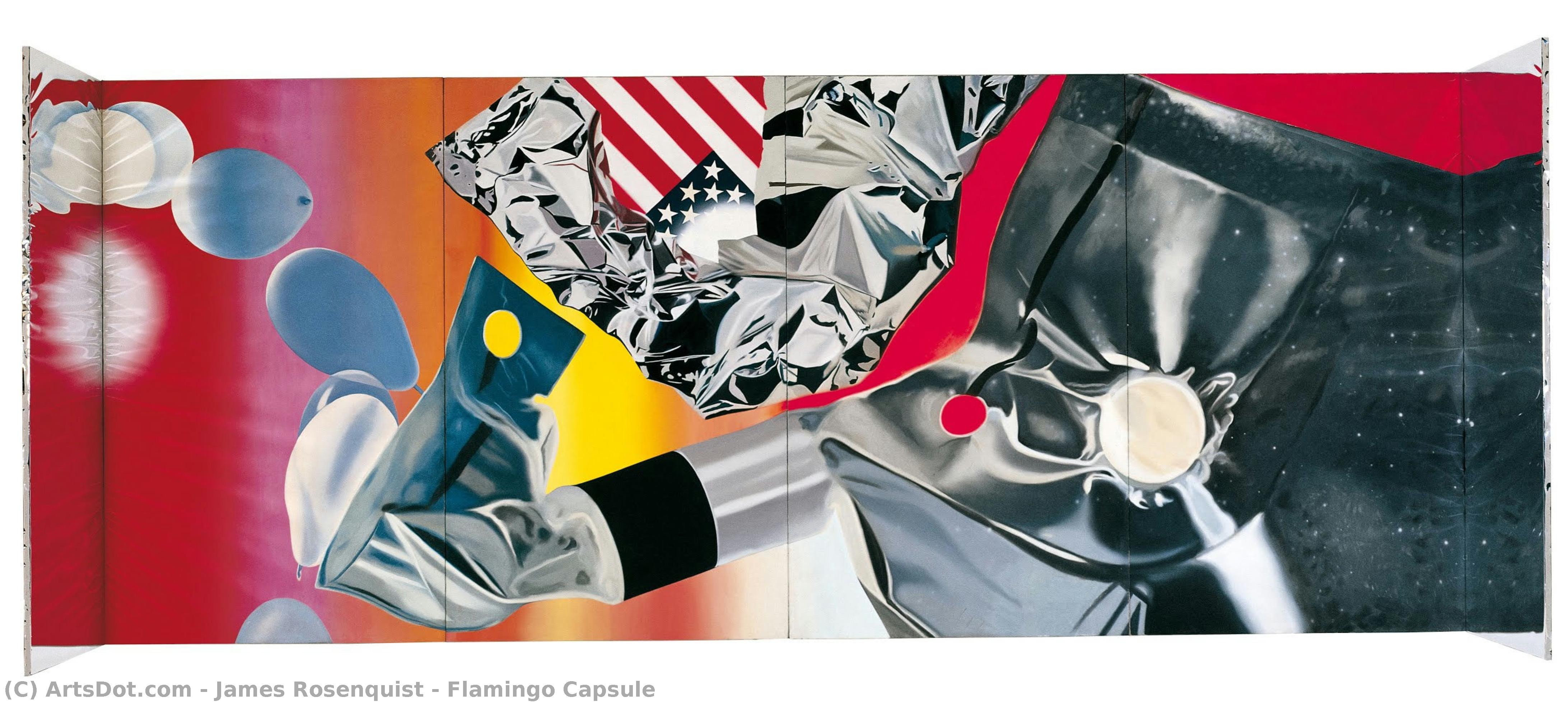
Flamingo Capsule

James Rosenquist’s *Flamingo Capsule* (1970) is a striking canvas featuring a flamingo encased in aluminum foil, alongside balloons, a food bag, and a flag uniform. Measuring over 26 meters long, this artwork embodies Pop Art's fascination with technology and space exploration while presenting an enigmatic composition.

Objevte Jamese Rosenquista (1933-2017), inovátora Pop Art! Prozkoumejte jeho monumentální obrazové dílo kombinující reklamu, surrealismus a americkou kulturu do poutavých vizuálních vyprávění.

Ručně malovaná olejová reprodukce

Ručně malovaná olejná barva na plátně ve vašem zvoleném rozměru i s rámem, vyrobená našimi umělci na zakázku.


P118B $10
P118H $10
P118W $10
P438Z $10
P508JH $12
P508YH $12
P805H $10
P805Z $10
P919BZ $10
P919G $10
P919XJ $10
P959ZH $10
P968JZ $12
W106C $8
W218G $10
W218JH $8
W218Y $10
W307PJ $10
W316G $10
W316PJ $8
W316Y $10
W398PJ $8
W4111J $10
W500HY $15
W500JH $15
W692G $12
W849H $8
W940BG $15
W953PJ $8

Standard
custom
CM
INCH

Vyberte si z našich přednastavených velikostí, které odpovídají původním proporcím díla.

šířka
výška

Můžete zadat vlastní rozměry pro konkrétní rám nebo prostor. Pokud se vámi vybraná velikost neshoduje s proporcemi původního obrazu, dílo buď ořízneme, nebo jej doplníme ručně malovanými prvky. Před zahájením výroby vám bude zaslán digitální náhled ke schválení.
Upozorňujeme, že náhled na obrazovce neodpovídá skutečnému ořezu ani rozšíření. Pouze digitální náhled přesně zobrazí finální kompozici.
Ačkoliv je možné zvolit vlastní velikost, pro zachování původních proporcí doporučujeme vybrat rozměr z předdefinovaného seznamu.

Příklady možných změn: Nahrazení obličeje vlastní fotografií; Přidání domácího mazlíčka (např. nahrazení kočky psem); Vložení skrytého vzkazu do pozadí; Změna krajiny nebo prvků v pozadí.
Po přijetí objednávky vám tým BuyPopArt.com zašle e-mail s pokyny a poskytne náhledovou verzi.

Celosvětová doprava () za 3–4 týdny namísto standardních 5 týdnů. (16 červenec). Bez kompromisů v kvalitě.

why_choose_icon
Zdarma celosvětová expresní doprava
why_choose_icon
Vysoce kvalitní lněné plátno
why_choose_icon
Kompletní přepravní pojištění
why_choose_icon
Záruka vrácení celního poplatku
why_choose_icon
Záruka přesného barevného shodu
why_choose_icon
60denní lhůta pro vrácení zboží (pouze při vadách výroby)
why_choose_icon
100% garance vrácení peněz
why_choose_icon
Sleva při hromadné objednávce

Celková cena

-

reproduction

Flamingo Capsule

Technika reprodukce

Rozměry reprodukce

-

Celková cena za výběr

-

Kvíz o umění

U každé otázky je pouze jedna správná odpověď.

Otázka 1:
What artistic movement is James Rosenquist primarily associated with?
Otázka 2:
The painting *Flamingo Capsule* commemorates a significant event in American history.
Otázka 3:
What material is used to create the end panels of *Flamingo Capsule*, enhancing its visual impact?
Otázka 4:
The composition of *Flamingo Capsule* reflects Rosenquist's fascination with:
Otázka 5:
What is the overall stylistic approach of James Rosenquist?

Popis díla

Flamingo Capsule: A Monumental Reflection on Tragedy and Technological Ambition

James Rosenquist’s *Flamingo Capsule*, completed in 1970, stands as a striking testament to the artist's fascination with both the mundane realities of American culture—specifically advertising—and the profound implications of space exploration. Measuring an impressive 290 x 701 x 98.5 cm, this monumental canvas commands attention and invites contemplation on themes of loss, resilience, and the relentless march of progress. Rosenquist’s approach to artmaking was deliberately antithetical to the prevailing Abstract Expressionist movement; he eschewed spontaneity for meticulous planning, employing techniques borrowed from sign painting—a craft rooted in precision and repetition—to create a visual language that simultaneously celebrates and critiques the dominant aesthetic sensibilities of his time.
  • Style: Rosenquist’s work embodies New Realism, rejecting illusionistic representation in favor of fragmented imagery and collage-like compositions. This stylistic choice aligns with his broader interest in blurring the boundaries between art and everyday life, mirroring the pervasive influence of commercial culture on the visual landscape.
  • Technique: The painting utilizes oil paint on canvas combined with aluminized Mylar panels—a material commonly employed in aerospace applications—to achieve a remarkable textural effect. Rosenquist meticulously applied pigment to create layered surfaces that capture subtle variations in color and tone, while the aluminized Mylar adds reflectivity, extending the visual scope of the artwork beyond its physical dimensions.
  • Historical Context: *Flamingo Capsule* emerged during a period marked by intense optimism regarding space exploration following Sputnik’s launch in 1957. Rosenquist deliberately referenced this pivotal moment in history—the tragic Apollo 1 fire—incorporating imagery associated with NASA and the American flag into his composition.
The artwork's visual narrative is characterized by a deliberate juxtaposition of disparate elements: crumpled foil bearing the emblem of the United States Air Force, a distorted food bag, and a balloon drifting upwards against a fiery red and yellow backdrop. These objects are not merely decorative additions; they serve as symbolic representations of various facets of American society—military might, consumerism, and aspiration—all rendered in monumental scale. Rosenquist’s masterful manipulation of perspective and color contributes to the painting's unsettling yet captivating atmosphere, prompting viewers to confront questions about mortality, ambition, and the precariousness of human endeavor. Symbolism: The flamingo itself is a recurring motif in Rosenquist’s oeuvre, representing both beauty and vulnerability—a paradoxical emblem that encapsulates his artistic preoccupation with confronting uncomfortable truths amidst dazzling visual spectacle. The aluminized Mylar panels amplify this duality, reflecting not only the painted surface but also mirroring the viewer's gaze, thereby inviting an active engagement with the artwork’s emotional core. Emotional Impact: *Flamingo Capsule* transcends mere aesthetic appreciation; it compels viewers to contemplate the complexities of human experience—the collision between dreams of grandeur and the inevitability of loss. Rosenquist’s deliberate fragmentation of imagery forces us to confront unsettling realities while simultaneously celebrating the enduring power of artistic innovation. It remains a poignant reminder that even amidst technological advancement, we are fundamentally tethered to our own mortality and burdened by the responsibility to grapple with profound existential questions.
  • Recommended Reproduction Size: For optimal visual impact, consider reproducing *Flamingo Capsule* in a large format—approximately 30 x 60 inches—to capture the painting’s monumental scale and textural richness.
  • Interior Design Considerations: The artwork's bold color palette and dynamic composition lend themselves particularly well to contemporary interior spaces characterized by minimalist aesthetics and geometric forms.
Ultimately, James Rosenquist’s *Flamingo Capsule* stands as a timeless masterpiece—a compelling fusion of artistic vision, technical prowess, and intellectual engagement that continues to resonate with audiences today.

Biografie umělce

James Rosenquist: A Pioneer of Pop Art

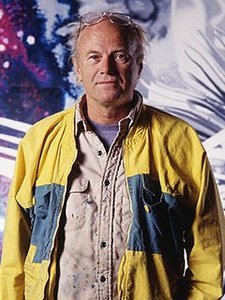
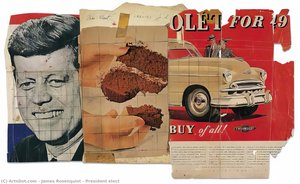
James Rosenquist (1933 – 2017) stands as a monumental figure in American art, recognized primarily for his groundbreaking contribution to the Pop Art movement. Born in Grand Forks, North Dakota, he emerged from a nomadic upbringing shaped by his parents’ adventurous spirit—both amateur pilots—who pursued work wherever it led, establishing him in Minneapolis where he spent his formative years. This early exposure to constant movement arguably instilled within him an inherent understanding of visual narratives and the transient nature of imagery, perspectives that would profoundly influence his artistic vision. His mother, herself a painter, nurtured his passion for art from childhood, recognizing and fostering talent that propelled him toward a remarkable career path. ### Early Life and Artistic Beginnings Rosenquist’s fascination with visual storytelling began early on—he won a scholarship to the Minneapolis School of Art in junior high school—laying the groundwork for his formal artistic education. He continued his studies at the University of Minnesota from 1952 to 1954, honing his skills and exploring diverse artistic approaches. Crucially, it was a 1955 scholarship to the Art Students League in New York City that irrevocably altered his trajectory. Under the tutelage of Edwin Dickinson and George Grosz, he initially experimented with abstract expressionism—a stylistic choice that would later inform his distinctive style. ### The Billboard Years: Mastering Scale and Technique From 1957 to 1960, Rosenquist’s artistic journey took an unexpected turn as he secured employment at Artkraft-Strauss, specializing in billboard painting. This experience proved invaluable—he mastered the techniques of large-scale commercial art, manipulating scale and color to capture immediate attention. It wasn't merely a job; it was immersion into the visual language of advertising, a realm where bold imagery and persuasive power reigned supreme.
  • He learned to utilize monumental canvases to convey powerful messages.
  • His understanding of composition deepened through observing how advertisers drew viewers’ eyes.
  • This formative period instilled in him an appreciation for craftsmanship and precision—skills he would later translate into his fine art productions.
### The Birth of Surreal Pop: Fragmentation and Cultural Commentary Rosenquist's artistic breakthrough arrived in 1965 with the exhibition featuring *F-111*, a painting that cemented his place as one of the foremost innovators of Pop Art.He rejected the prevailing trend toward ironic critique, instead embracing a more complex relationship with advertising imagery—a fascination born from intimate knowledge. He approached it not merely as a subject for reproduction but as material for deconstruction. His canvases became arenas for exploring themes of consumerism, media saturation, and the fragmented nature of modern experience.
  • He employed techniques borrowed from Surrealist artists like René Magritte and Salvador Dalí—juxtaposing disparate images in unexpected ways to create dreamlike compositions.
  • His monumental paintings challenged viewers to confront the contradictions inherent within American culture.
  • Rosenquist’s work continues to resonate today as a powerful commentary on contemporary society, demonstrating an enduring vision and artistic ingenuity.
### Recognition and Legacy Rosenquist's reputation soared throughout the 1960s and 70s—he gained international acclaim through exhibitions at the Museum of Modern Art and the Guggenheim Museum.He was inducted into the Florida Artists Hall of Fame in 2001. His influence extended beyond his own artistic output; he served on the board of trustees for the Tampa Museum of Art, furthering his commitment to promoting art and fostering dialogue.
  • His monumental *F-111* remains a cornerstone of Pop Art history—a testament to his ability to synthesize disparate influences into a singular aesthetic vision.
  • Rosenquist’s exploration of advertising imagery as artistic subject matter paved the way for subsequent generations of artists interested in interrogating cultural narratives.
His enduring legacy resides not only in his distinctive visual style but also in his unwavering conviction that art could engage with the complexities of everyday life—a perspective that continues to inspire artists and scholars alike.James Rosenquist’s contribution to American art is undeniable, securing his place as one of the most influential figures of the 20th century.
James Rosenquist

James Rosenquist

1933 - 2017 , Severní Amerika

Rychlé fakta

  • Artistic Movement Or Style: Pop Art
  • Artists Or Movements Influenced By This Artist:
    • Andy Warhol
    • Roy Lichtenstein
  • Artists Who Influenced This Artist:
    • Edwin Dickinson
    • George Grosz
  • Date Of Birth: 29. listopadu 1933
  • Date Of Death: 31. března 2017
  • Full Name: James Albert Rosenquist
  • Nationality: Američan
  • Notable Artworks: ['F-111']
  • Place Of Birth: Grand Forks, Severní Dakota
Prozkoumejte umělecká díla uspořádaná podle témat, stylů a charakteristik.