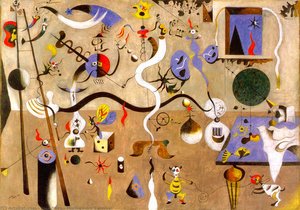
Ručně malovaná olejná barva na plátně ve vašem zvoleném rozměru i s rámem, vyrobená našimi umělci na zakázku. ( Koupit tisk Koupit obrázek)





























Vyberte si z našich přednastavených velikostí, které odpovídají původním proporcím díla.

Můžete zadat vlastní rozměry pro konkrétní rám nebo prostor. Pokud se vámi vybraná velikost neshoduje s proporcemi původního obrazu, dílo buď ořízneme, nebo jej doplníme ručně malovanými prvky. Před zahájením výroby vám bude zaslán digitální náhled ke schválení.
Upozorňujeme, že náhled na obrazovce neodpovídá skutečnému ořezu ani rozšíření. Pouze digitální náhled přesně zobrazí finální kompozici.
Ačkoliv je možné zvolit vlastní velikost, pro zachování původních proporcí doporučujeme vybrat rozměr z předdefinovaného seznamu.
Celosvětová doprava () za 3–4 týdny namísto standardních 5 týdnů. (14 srpen). Bez kompromisů v kvalitě.


Mujer 1
Rozměry reprodukce
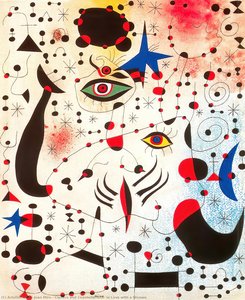
Joan Miró's "Mujer 1" (Woman 1) isn’t merely a painting; it’s an invitation to step through a portal into the artist’s intensely personal and profoundly symbolic world. Born in Barcelona in 1893, Miró wasn’t simply following artistic trends—he was forging his own path, translating the landscapes of his Catalan homeland, the memories of his childhood, and the currents of his subconscious onto canvas with an unparalleled poetic grace. This particular work, painted around 1967, exemplifies this journey, presenting a woman's face not as a realistic portrait but as a distilled essence—a luminous fragment imbued with emotion and enigmatic suggestion. The painting’s power lies in its ability to evoke a sense of timelessness, inviting the viewer to contemplate the universal themes of femininity, memory, and the hidden depths of the human psyche.
Miró's style defies easy categorization, yet it’s most accurately described as abstract surrealism. He emerged from the vibrant artistic circles of Paris in the 1920s, encountering and absorbing influences from movements like Cubism, Fauvism, and Surrealism. However, he didn’t simply adopt these styles; he internalized them, transforming them into a uniquely Miróesque language. “Mujer 1” showcases this masterful synthesis—the fragmented forms reminiscent of Cubist explorations are softened by the vibrant colors and dreamlike atmosphere characteristic of Surrealism. The painting rejects precise representation in favor of symbolic shapes, floating figures, and an overall sense of spontaneity, as if conjured directly from a subconscious landscape.
Miró’s work is rich with symbolism, often drawing upon Catalan folklore, mythology, and his own personal experiences. The woman's face itself is deliberately ambiguous—her features are simplified, almost childlike, suggesting a connection to childhood memories and primal instincts. The necklace she wears, a delicate detail amidst the abstract composition, could represent adornment, protection, or perhaps even a link to a past life. The color palette – dominated by deep blues, ochres, and yellows – evokes both the Mediterranean sky and the earthy tones of the Catalan countryside. The overall effect is not one of narrative clarity but of evocative suggestion—a visual poem inviting multiple interpretations.
Miró’s technique was as unconventional as his subject matter. He frequently employed *grattage*, a method of scraping paint across the canvas to reveal underlying layers, creating a textured surface that adds depth and complexity to the image. This layering is evident in “Mujer 1,” where visible brushstrokes and traces of previous paintings contribute to the painting’s tactile quality. The use of oil paints allows for rich color saturation and blending, while his distinctive approach to composition—often employing biomorphic shapes and irregular lines—creates a sense of dynamic movement and visual interest. The deliberate imperfections and spontaneous gestures in the application of paint further enhance the feeling of immediacy and emotional intensity.
“Mujer 1” isn’t simply an aesthetically pleasing image; it possesses a profound emotional resonance. It evokes a sense of wistful nostalgia, quiet contemplation, and perhaps even a touch of melancholy. The painting's ambiguity encourages viewers to project their own emotions and experiences onto the canvas, creating a deeply personal connection with the artwork. Whether viewed as a meditation on femininity, a reflection on memory, or simply an exploration of the subconscious, “Mujer 1” remains a powerful testament to Miró’s artistic vision—a timeless portrait that continues to captivate and inspire.
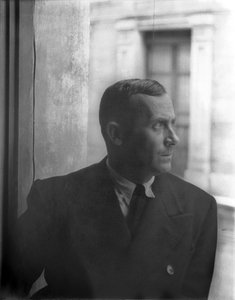
1893 - 1983 , Španělsko

Master the high-impact world of contemporary abstraction. Discover how bold colors, textures, and modern movements like Abstract Expressionism can transform your space with premium, high-energy art curated for the design-conscious professional.

Dive into the high-energy world of Lyrical Abstraction. Explore how bold colors, fluid motion, and emotional depth define this modern masterpiece movement. Discover iconic artists and learn to bring this vibrant, soulful energy into your contemporary space.

Discover the power of Neo-Abstract art. Explore how bold geometric forms and high-impact visual energy are redefining modern design. Learn to curate sophisticated, high-energy spaces with the latest trends in contemporary abstraction and structural color.


Buďte na tahu s nejnovějšími novinkami ze světa umění, exkluzivními nabídkami a inspirativními nápady na dekoraci.
Sdělte nám více o svém projektu a naši odborníci na umění vám připraví 3 personalizované návrhy uměleckých děl.
Nechť pro vás vybereme 3 možnosti – zdarma!


 Náhled
 Sdílet
 Sdílet
 Podrobnosti o díle

 Stáhnout
 Podobné položky
 Rentgenové snímky
 Slideshow
 Zobrazit více







 Skleněná varianta je dostupná pouze u rozměrů menších než 110 cm